Field report SW-86 / R9 · sheet /macro
Boardroom MacroFiled from the territory
Trump says Iran war may end soon as oil retreats 2.7%
Brent fell 2.7% to $90.14 after Trump called further U.S. strikes unlikely, while a Qatari-brokered proposal offers a possible two-day reopening of the Strait of Hormuz.
- Grid
- SW-86 / R9
- Surveyed
- November 11, 2026
- Reading
- 3 min read
- Correspondent
- Olivia Hart
Field notes
- Brent January crude fell 2.7% to $90.14 at 5:33 a.m. ET Tuesday; WTI fell 2.4% to $84.78.
- On Monday, Trump called new U.S. strikes “quite unlikely” but left open a resumption if circumstances change.
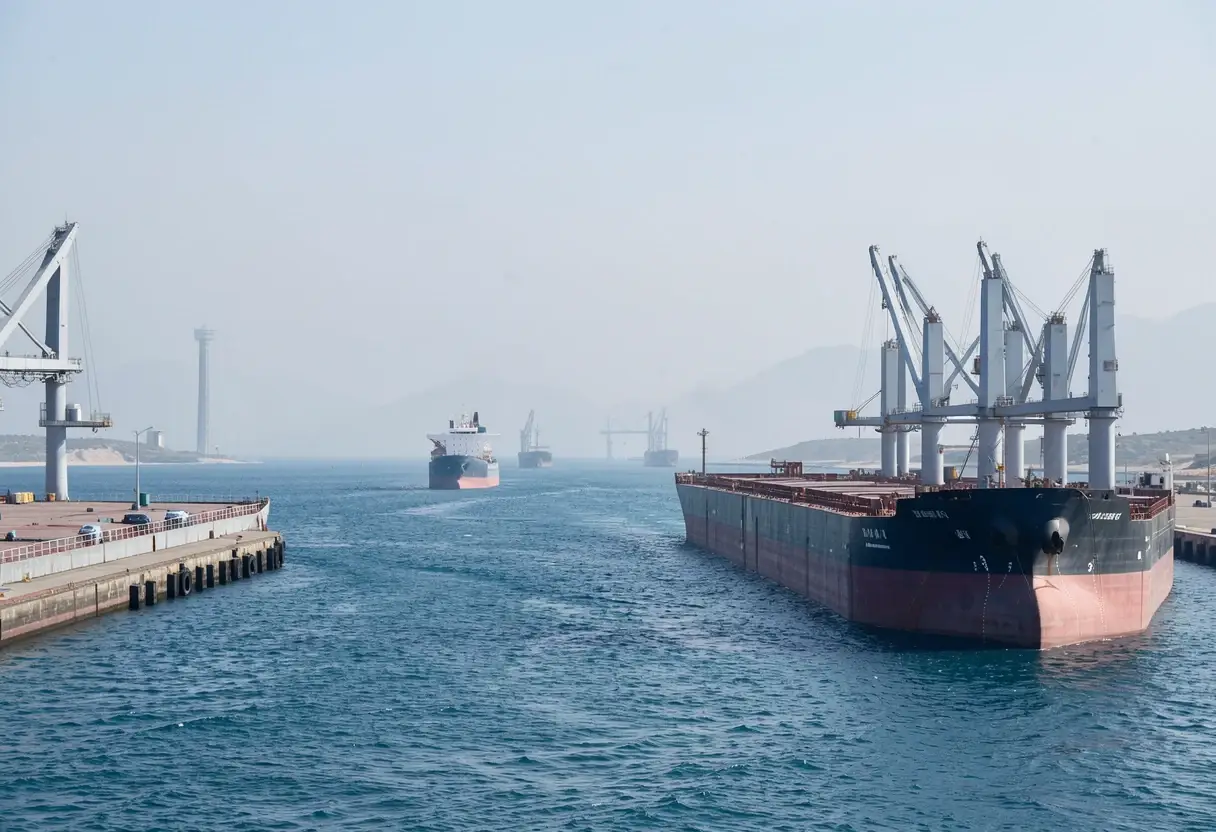
- The Qatari-brokered proposal offers a two-day Strait of Hormuz reopening for sanctions relief and a different shipping lane.
- Iran wants the U.S. to end the Persian Gulf port blockade and drop sanctions before talks; Washington wants vessel strikes stopped and nuclear work curtailed.
- The mid-June ceasefire memorandum collapsed about two weeks later; Republicans lost both chambers on Nov. 3.
By Olivia Hart
Brent crude for January delivery fell 2.7% to $90.14 at 5:33 a.m. ET Tuesday after President Donald Trump said the Iran war could end “fairly soon.” U.S. West Texas Intermediate dropped 2.4% to $84.78, while Brent traded at a level not seen since August.
On Monday, Trump told reporters following his White House meeting with Qatar’s prime minister, Sheikh Mohammed bin Abdulrahman Al Thani: “We’re seeing momentum toward the end of this conflict. I think it’s going to be ending fairly soon.” He added that Tehran was “talking very politely” with Washington.
Trump described new U.S. strikes on Iran as “quite unlikely,” though the United States could resume them if circumstances change. He repeated that Tehran will never be permitted to obtain nuclear arms, keeping weapons limits central to any eventual settlement.
What changes if negotiations continue?
Trump made the assessment after Monday’s White House meeting with Qatar’s prime minister, Sheikh Mohammed bin Abdulrahman Al Thani. Al Thani said he was “grateful for the positive discussions on reaching a deal and bringing peace to the region,” according to Bloomberg.
Trump wrote on Truth Social that Qatar, Saudi Arabia, the United Arab Emirates, Bahrain and Kuwait “prefer the status quo,” which includes the naval blockade of Iran, according to CNBC. Bloomberg, citing an unnamed official, said negotiations were expected to continue and military escalation was unlikely while they proceed.
For shipping and energy executives, the immediate change is a lower near-term probability of another U.S. strike. The proposed two-day reopening offers a shipping window, not a final peace agreement; sanctions, vessel security and nuclear limits still govern durability.
Can the parties bridge the core gaps?
Secretary of State Marco Rubio told reporters on Sunday that the talks “hadn’t been very productive” because of Iranian demands, according to Bloomberg. His assessment frames the unresolved sequence:
- Iran demands that the United States end its blockade of Iranian Persian Gulf ports and drop sanctions before any negotiations begin.
- Washington wants Iran to halt strikes on vessels transiting the Strait of Hormuz and give ground on its nuclear work.
Tehran seeks relief before talks; Washington seeks changes before relief, making the order of concessions as important as their scale. Sanctions, maritime access and nuclear work therefore sit at the center of any bargain.
Iran has sent the United States a proposal through Qatari intermediaries under which the Strait of Hormuz could reopen within two days, according to CNBC. In exchange, Iran seeks sanctions relief and a different shipping lane through the strait, while Washington was reviewing the offer.
What does the Qatari proposal change?
For shippers, the two-day timetable and alternative lane offer a concrete operational gain. The proposal does not settle the wider nuclear dispute or resolve whether Tehran’s demand to end the port blockade must precede negotiation.
Iranian officials nevertheless dispute that negotiations are under way. Mohsen Rezaei, secretary of Iran’s Supreme National Security Council, said Washington should stop “manufacturing fake news about imaginary talks,” according to CNBC.
Why might the latest momentum fail again?
The United States and Israel began the war with strikes on Iran. A truce followed in early April, and the two sides agreed in mid-June to a memorandum of understanding that included a ceasefire. According to Bloomberg, that arrangement collapsed about two weeks later.
Republicans lost both chambers of Congress in the Nov. 3 midterm elections, according to Bloomberg. Vice President JD Vance named the war as the main reason, adding domestic political pressure to the search for an agreement.
For decision-makers, the sequence argues against treating a narrow maritime arrangement as a durable settlement. Markets have already repriced the probability of near-term escalation; confirmation now depends on steps on sanctions, port access, vessel security and Iran’s nuclear position.
The immediate prize is lower oil-price and shipping-disruption risk. The larger test is whether Tehran and Washington can convert a two-day route into an agreement that survives beyond the earlier April truce and the June memorandum that collapsed.
via qz.com (Source)
More from Olivia Hart
Show full bio
News editor covering regulation, policy and their impact on corporate strategy and chief-executive leadership at CEO Frontier.
207 articles
Adjacent sheets
- Brent Crude Falls Below $90 for First Time Since August
- Brent back above $94 as Trump says U.S. doesn't need Iran deal
- Oil falls near $90 as Hormuz supply risk premium unwinds
- WTI Slides 20% in a Fortnight, Then Stops: Traders Want Proof
- Brent Reclaims $105 as Traders Doubt Russia-Ukraine Energy Ceasefire