Field report W-31 / M6 · sheet /macro
Boardroom MacroFiled from the territory
79 Attacks Later, Somali Piracy Is Back and EU Warships Haven't Stopped It
Somali pirates have launched 79 attacks since November 2023; six ships were hijacked in 2026 and one tanker, MT Asana, still holds 22 crew.
- Grid
- W-31 / M6
- Surveyed
- November 11, 2026
- Reading
- 4 min read
- Correspondent
- Priya Raman
Field notes
- 79 piracy incidents recorded since November 2023, nearly 30 after the Iran war began in February 2026.
- Six commercial vessels hijacked between April and August 2026; MT Asana still held with 22 seafarers aboard as of October 16.
- Operation Atalanta has run since 2008; ESPS Santa Maria leads with over 200 personnel.
- The Bab al-Mandab Strait normally carries about 12% of global trade.
Somali pirates have carried out 79 attacks since Yemen's Houthi movement began targeting commercial vessels in November 2023, and nearly 30 of those incidents came after the outbreak of the Iran war in February 2026, according to an Associated Press report. That is the uncomfortable number behind the European Union's decision to once again showcase its naval presence off Somalia and in the Gulf of Aden, where Operation Atalanta has been patrolling since 2008 without producing a definitive end to piracy.
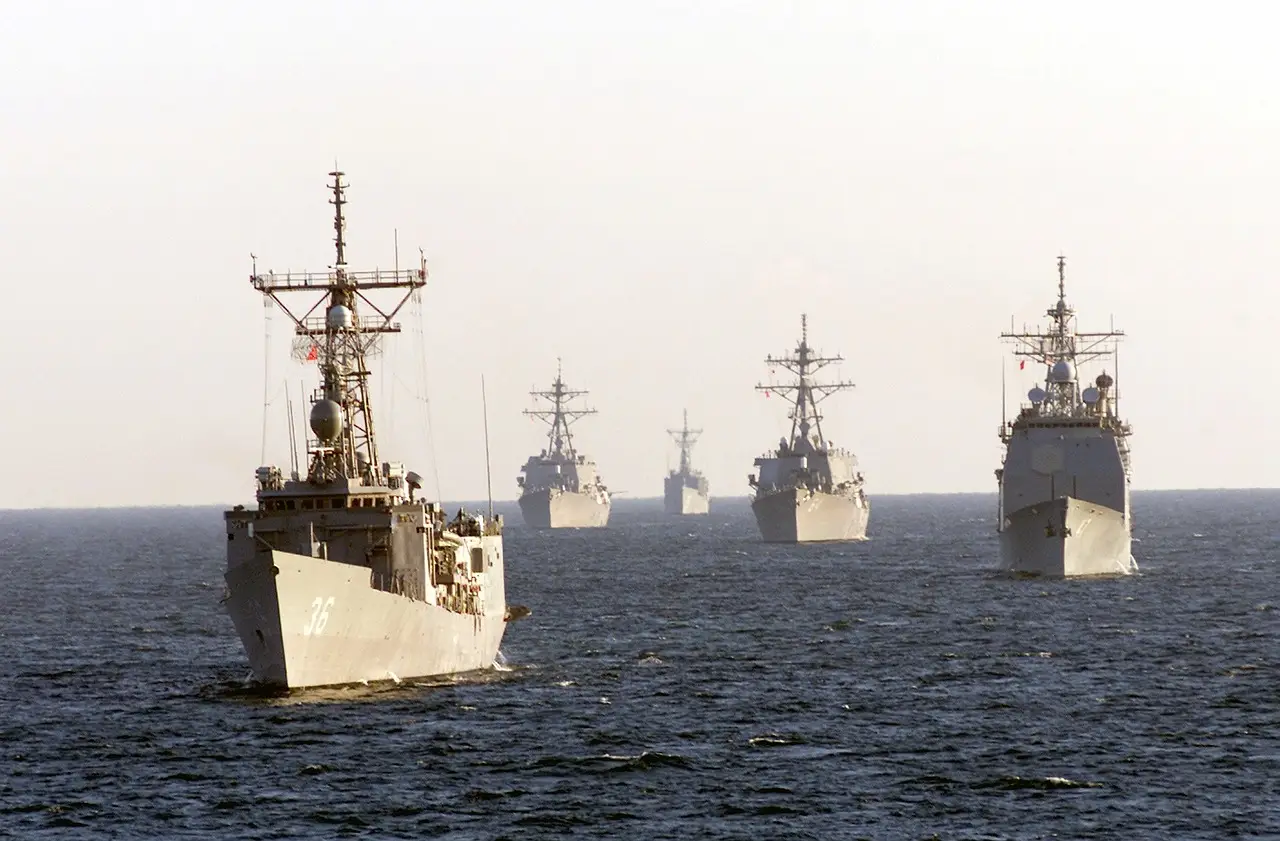
The mission's latest operations are reportedly led by the Spanish warship ESPS Santa Maria, which carries more than 200 personnel, heavy weapons, missiles, helicopters and unmanned surveillance aircraft. Special forces aboard are trained to retake vessels seized by pirates. Vice Admiral Ignacio Villanueva, the operation's commander, has acknowledged that regional instability creates opportunities for illegal activity and pushes some people towards piracy — a relevant explanation, but one that leaves the central question unanswered: why, after nearly two decades of international military intervention, can pirates still organise, capture ships and hold crews hostage?
What do the latest hijackings show?
The resurgence is concrete, not theoretical. Six commercial vessels were hijacked between April and August 2026. Five were released, but the Tanzanian-flagged tanker MT Asana remained in pirate hands with 22 seafarers still aboard, according to Operation Atalanta's October 16 update. Fishing vessels have also been seized, with pirates reportedly converting some into floating bases for attacks on larger commercial ships.
The pattern exposes the limits of a strategy built on patrols and surveillance. Sophisticated naval equipment can monitor maritime movements and respond to individual incidents. It does not dismantle the networks, financial structures and coastal support systems that keep piracy alive. The pirates, meanwhile, have shown they can adapt, exploit regional instability and return whenever security deteriorates.
Why can't naval power finish the job?
Because the drivers sit on land, not at sea. Maritime security experts point to a familiar cluster of causes: poverty, unemployment, food insecurity, rising fuel prices and political instability in Somalia and its neighbours. None of these are new. Somalia's prolonged absence of effective coastal governance, weak maritime institutions and limited capacity to police its own territorial waters have created conditions in which criminal networks survive and regenerate.
The international community has spent enormous resources protecting commercial shipping, but far less on building a sustainable Somali maritime security system that could take ownership of its coastline. Patrolling international waters is not the same as restoring authority along the Somali shore. Releasing a hijacked vessel is not the same as dismantling the organisation behind the hijacking. Without coastal policing, functioning courts, credible intelligence and prosecution of financiers, naval operations risk becoming an expensive exercise in containing symptoms rather than curing the disease.
What's at stake for global trade?
Plenty. The Bab al-Mandab Strait, linking the Red Sea with the Gulf of Aden, normally carries roughly 12 per cent of global trade, including a substantial share of container shipping between Asia and Europe. Houthi attacks in the Red Sea and the wider confrontation involving Iran have complicated maritime security further, while disruptions around the Strait of Hormuz have raised the strategic value of alternative routes and stretched international naval resources thinner.
For shipping companies, renewed piracy means higher insurance premiums, extra spending on armed protection and costly diversions. The bill eventually lands on consumers and economies far beyond the Horn of Africa.
Is deterrence actually working?
The EU maintains that warships, aircraft and drones help deter piracy, though its officials concede there is no reliable way to measure how many attacks have been prevented. That may be a reasonable operational argument. It is not evidence of lasting success.
After nearly two decades, the harder questions remain: why does piracy keep returning, why can criminal networks still hold seafarers hostage, and why is Somalia's coastline still vulnerable after successive international security initiatives? The missing piece is not naval technology or another conference. It is a comprehensive strategy that targets both the criminal networks at sea and the political and economic conditions sustaining them on land — with the explicit goal of building Somali institutions that protect their own waters, supported by partners rather than permanently dependent on foreign warships. Until then, Operation Atalanta risks remaining what it has arguably been for years: a recurring exercise in naval containment, with impressive operational reports and little lasting change.
via wardheernews.com (Source)
More from Priya Raman
Show full bio
Senior reporter covering technology and product news in corporate strategy and chief-executive leadership at CEO Frontier.
212 articles