Field report S-57 / J1 · sheet /macro
Boardroom MacroFiled from the territory
Gulf exports hold high as war risks divert $30 a barrel
Gulf exporters receive about $70 for every $100 barrel as transport and insurance take $30. Hormuz exports hit 18.9 million barrels a day in September despite Iranian attacks.
- Grid
- S-57 / J1
- Surveyed
- November 9, 2026
- Reading
- 3 min read
- Correspondent
- Amara Osei
Field notes
- OPEC data put exporter proceeds at about $70 of a $100 barrel, leaving $30 for transportation and insurance.
- Gulf exports reached a record 18.9 million barrels per day in September, then averaged 17.1 million in October.
- Brent peaked above $110, eased to about $97, and stood near $60 at the beginning of 2026.
- Hormuz passage offers exceeded $1.2 million per sailing day, compared with tens of thousands before the war.
- Combined transport and insurance costs rose about 20 times, from a few dollars to dozens per barrel.
By Amara Osei
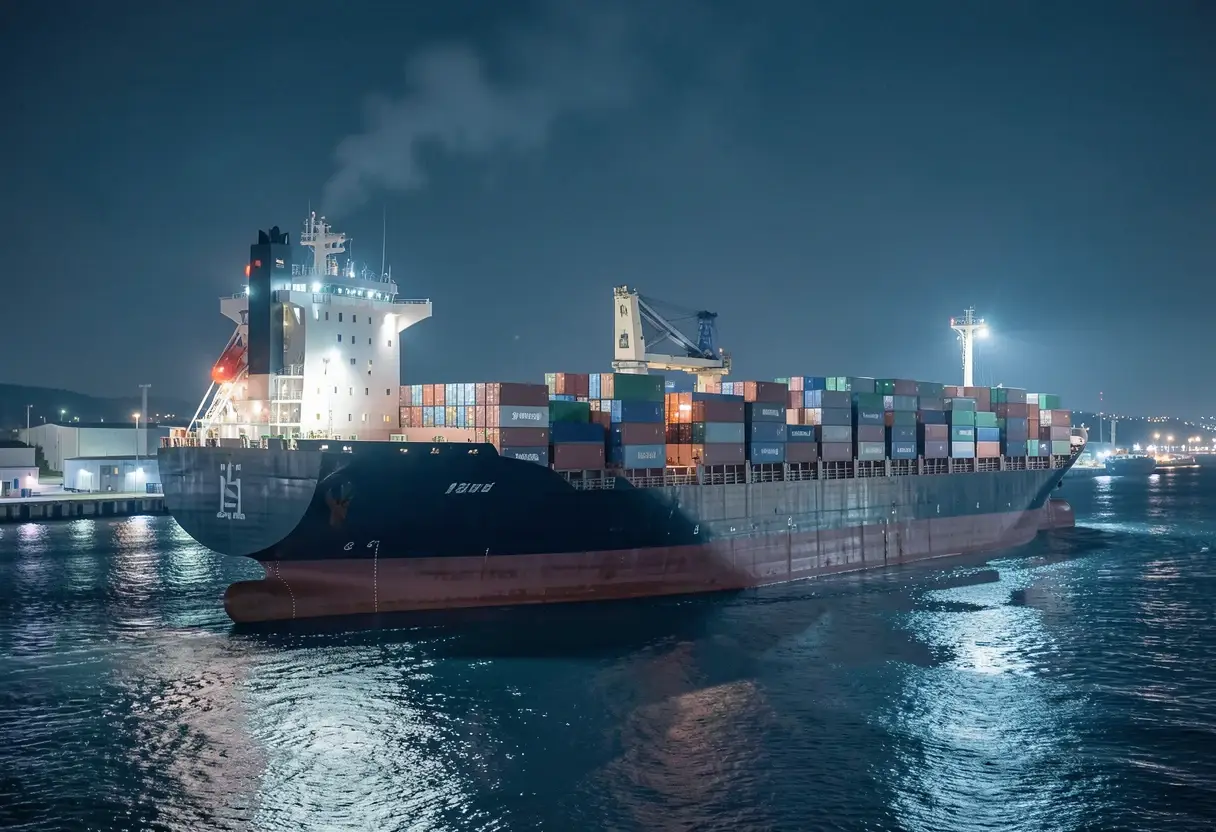
Gulf exporters receive about $70 for every $100 barrel of oil as transportation and insurance absorb the remaining $30, according to data from OPEC, the oil-exporting cartel. The charges compensate for the risk of moving oil through hostile Iranian waters.
Oil continues to leave the Persian Gulf through the Strait of Hormuz (the waterway linking the Gulf with the Indian Ocean), despite Iranian attacks on commercial shipping. That risk has kept Brent crude (the international oil benchmark) near $100 per barrel in recent weeks.
Why are Gulf exports reaching record levels?
Gulf exports reached a record 18.9 million barrels per day in September, including fuel products, even as Iran attempted to attack vessels crossing the strait. That total matched prewar Gulf export volumes excluding Iran and exceeded shipments during the preceding months.
October exports eased slightly to 17.1 million barrels per day on average, still well above levels recorded throughout the war with Iran. Iranian oil has moved in smaller volumes under a US counter-blockade (restrictions on Iranian oil shipments) that continues to constrain them.
The higher export volume did not materially reduce prices. Brent peaked above $110 per barrel, then eased to about $97 as hopes grew for US-Iran talks, but remained far above the roughly $60 recorded at the beginning of 2026.
What has Hormuz passage become worth?
The United States launched a dedicated operation in early September against Iran’s detection, surveillance and fire capabilities. The operation aimed to reduce risk for commercial tankers navigating the strait.
Over the last two months, Gulf exporters tripled the prices they offered for Hormuz passage, raising the figure above $1.2 million per sailing day. Before the war, the comparable cost was several tens of thousands of dollars per sailing day.
The higher passage price has attracted shipping companies despite the danger. Tankers now sail without transmitters and under cover of darkness, while Iranian forces threaten vessels crossing the strait.
How are ship-to-ship transfers reducing exposure?
The Korean shipping company Sinocor began conducting regular ship-to-ship oil transfers (cargo moved directly between vessels), with transmitters and lights switched off. Crews load oil from one ship to another off Hormuz and then return for another cargo.
The strategy has worked, but Iranian fire has already hit Sinocor’s vessels. The company still carries the risk of missile and unmanned aerial vehicle fire while using the unusual transfer method.
Where does the $30 per barrel land?
Before the war, average transportation and insurance costs together stood at a few dollars per barrel. The combined charge has since risen about 20 times, reaching dozens of dollars per barrel.
At a $100 barrel value, roughly $30 goes to shipping companies and insurers, leaving Gulf exporters with about $70. OPEC estimates that transportation and insurance account for 30% of the cost of oil to the final consumer. Those payments compensate carriers and underwriters for transit through hostile Iranian waters and the threat of missile and unmanned aerial vehicle fire.
OPEC said that “the unusually high costs, in turn, are passed on to the entire value chain. They add and prolong the price burden on the producing and consuming countries, adding more inflationary pressures on the global economy.”
Who bears the cost?
Consumers pay higher prices for oil and fuel. Gulf producers receive a price similar to the level available on the eve of the war, so they do not capture most of the war-driven increase in headline crude prices.
Producers in the United States, Africa and South America benefit from the higher price environment. Although the market continues to extract Gulf oil and support the global economy, the higher shipping and insurance burden shifts income toward other producers and risk-bearing intermediaries. Consumers absorb higher oil and fuel prices, while Gulf exporters receive no windfall from the war-driven premium.
via observatorial.com (Source)
More from Amara Osei
Show full bio
Market editor covering people, launches and day-to-day practice in corporate strategy and chief-executive leadership at CEO Frontier.
231 articles
Adjacent sheets
- Gulf Oil Exports Return to Pre-War Levels as Saudi Flows Jump 13%
- WTI Heads for 20% Monthly Jump as Hormuz Tanker Attacks Escalate
- Oil falls near $90 as Hormuz supply risk premium unwinds
- Crude Oil Turns Bearish as US-Iran Tensions Ease and OPEC Pumps More
- Saudi Arabia Oil Output Jumps 26% as OPEC+ Weighs 2027 Targets