Field report NW-18 / L2 · sheet /macro
Boardroom MacroFiled from the territory
Gulf Oil Exports Return to Pre-War Levels as Saudi Flows Jump 13%
Saudi Arabia, the UAE, Iraq and Kuwait exported a combined 15.53 million barrels a day in October, a 10% rise that restored pre-war volumes, Bloomberg reported.
- Grid
- NW-18 / L2
- Surveyed
- November 2, 2026
- Reading
- 3 min read
- Correspondent
- Amara Osei
Field notes
- Gulf four exported 15.53 million barrels a day in October, up 10% month-on-month
- Saudi exports rose 13% to 7 million barrels a day; Yanbu shipments jumped 35%
- OPEC and allies meet November 29 to adjust quotas
- Oil fell more than 4% Monday on U.S.-Iran negotiation hopes
- UAE pipeline to Fujairah will double crude capacity by next year
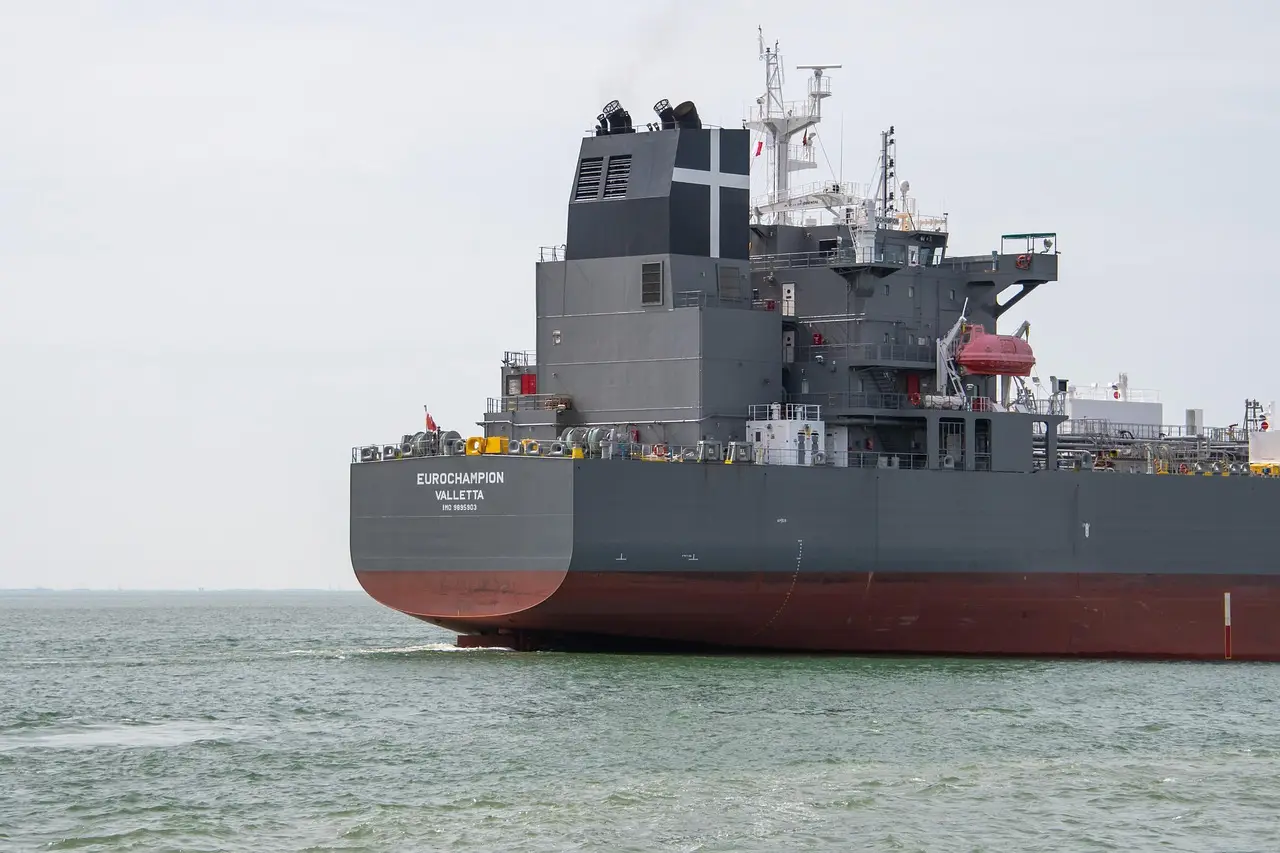
Gulf Arab producers exported 15.53 million barrels of crude a day in October, a 10% increase that restored volumes to levels recorded at the start of the year, according to Bloomberg. Saudi Arabia, the United Arab Emirates, Iraq and Kuwait collectively recovered the ground lost during the conflict, relying on a tanker tactic that moved oil through the Strait of Hormuz largely unnoticed.
Which producers drove the rebound?
Saudi Arabia led the gain. Its exports rose 13% from September to 7 million barrels a day, Bloomberg reported. Shipments from the Red Sea port of Yanbu jumped 35% in October to 3.07 million barrels a day.
The kingdom accelerated flows through Hormuz after its East-West pipeline closed temporarily during a September attack launched from Iraq. The pipeline now operates again, giving Saudi Arabia export outlets on both the Persian Gulf and the Red Sea.
The other three producers posted gains of their own:
- Iraq: exports up 9.5% to 3.35 million barrels a day
- UAE: flows up 50,000 barrels a day to 3.74 million, the highest since July
- Kuwait: shipments up by a third to 1.44 million barrels a day, the highest since before the war began
Iran's exports remained at zero for a second month as a U.S. naval blockade continued.
How did the tankers get through?
The rebound rests on a tactic in which tankers quietly make repeated trips through the Strait of Hormuz, the chokepoint between the Persian Gulf and the Gulf of Oman. The UAE developed the approach first and Saudi Arabia adopted it afterward, according to Bloomberg.
Actual flows may exceed the tracked figures. Many ships shut off their tracking signals to avoid being spotted or targeted, Bloomberg reported.
What did the UAE announce?
UAE Energy Minister Suhail al-Mazrouei said at a Monday conference in Abu Dhabi that the country's exports had at times topped pre-war levels, according to Reuters. He said the UAE will invest in additional export corridors, overseas storage and fleets of ships.
The country is building a new pipeline to Fujairah, an emirate outside the Strait of Hormuz, that will double crude capacity by next year.
What happens with OPEC quotas?
OPEC and its allies are assessing the maximum physical output of each member ahead of a ministers' meeting on November 29, where quotas are due to be adjusted, according to Bloomberg.
The cartel faces a shifting price backdrop. Oil fell more than 4% on Monday as negotiations to end the U.S.-Iran conflict eased worries about Middle East supply.
What is the military risk?
The United States has told a number of Gulf Arab states to prepare for a possible brief but intense military operation against Iran after Tuesday's midterm elections, according to The Wall Street Journal. President Donald Trump has not made a final decision on resuming strikes.
The warning underscores the fragility of the October recovery. The export revival depends on repeated Hormuz transits and a reopened East-West pipeline, both exposed to any renewed confrontation in the region.
via Quartz (Source)
More from Amara Osei
Show full bio
Market editor covering people, launches and day-to-day practice in corporate strategy and chief-executive leadership at CEO Frontier.
83 articles
Adjacent sheets
- WTI Heads for 20% Monthly Jump as Hormuz Tanker Attacks Escalate
- Brent Slips 1% to $108.72 as Trump Waives Some Russia Sanctions
- CFTC investigates oil trades before Iran announcements
- ExxonMobil and Chevron Beat Forecasts as Refining Profits Surge
- Brent Reclaims $105 as Traders Doubt Russia-Ukraine Energy Ceasefire