Field report SW-98 / R5 · sheet /strategy
Corporate StrategyFiled from the territory
SpaceX Will Try to Catch Both Starship Stages for the First Time
SpaceX attempts the first full recovery of an orbital launch system on Friday: catching both the Super Heavy booster and the Starship upper stage at Starbase, Texas.
- Grid
- SW-98 / R5
- Surveyed
- November 14, 2026
- Reading
- 3 min read
- Correspondent
- Olivia Hart
Field notes
- Starship Flight 15's 75-minute launch window opens at 5:45 p.m. ET on Friday from Starbase, Texas.
- The booster catch is set for about 6 minutes 35 seconds after liftoff; the ship catch about 22 hours 32 minutes after liftoff.
- The flight deploys 26 Starlink V3 satellites, each adding 1 terabit per second of capacity.
- This is the first catch attempt for a Super Heavy V3 booster; three V1 boosters were caught before, two of which flew again.
- SpaceX targets full Starship capability around the end of 2027.
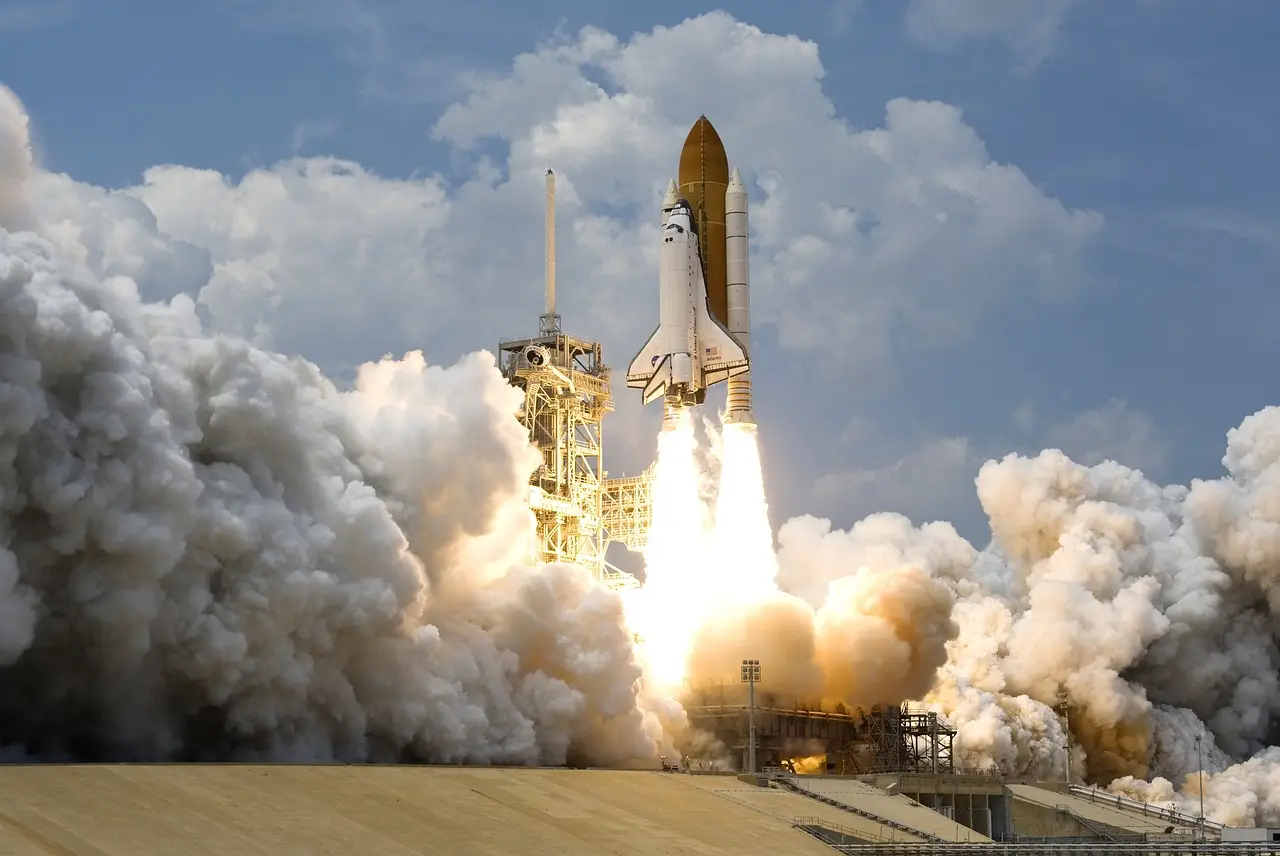
SpaceX will attempt on Friday the first full recovery of an orbital launch system, catching both the Super Heavy booster and the Starship upper stage with the launch tower at Starbase, Texas.
The 75-minute launch window for Starship Flight 15 opens at 5:45 p.m. ET. SpaceX warned the schedule is dynamic and could shift; a live webcast starts about 30 minutes before liftoff.
Success would be unprecedented. No operator has ever brought an entire orbital launch system back intact, SpaceX said. Reusing both stages would let the company load fresh propellant onto the same vehicles and fly them again, Bloomberg reported.
What does the flight profile look like?
The two catches sit nearly a day apart:
- The booster catch is scheduled about 6 minutes and 35 seconds after liftoff.
- The ship circles the planet roughly 14 times at an altitude near 275 kilometers (171 miles).
- The ship catch is scheduled about 22 hours and 32 minutes after liftoff.
The flight also carries a real payload. Starship will deploy 26 Starlink V3 satellites, each adding 1 terabit per second of capacity to the constellation. Three of those satellites carry cameras that will scan the ship's heatshield and send imagery to operators. The satellites could begin serving customers a few weeks after launch at the earliest.
For launch operators watching the attempt, the mission doubles as a hardware qualification flight. This is the first return and catch attempt for a Super Heavy V3 booster. Three V1 boosters were caught on earlier flights, and two of them flew again.
Why is the ship catch harder?
SpaceX has never attempted a ship catch, and the company rates it harder than a booster catch. The ship flies a longer route at greater altitude and velocity than the booster, which simply falls back to the launch site minutes after liftoff.
The return depends on the flight control team confirming that the systems needed for reentry maneuvers, the landing burn and the tower approach are healthy. The profile includes an off-ramp: if an engine problem or another issue arises, SpaceX can cut the flight short and bring the ship down in a splashdown, according to Gizmodo.
That escape hatch matters for anyone modeling the economics of rapid reuse. A splashdown protects the vehicle and the launch site but forfeits the fast turnaround — reloading propellant onto a caught vehicle — that the double catch is designed to prove.
What happened on Flight 14?
The previous mission, Flight 14 on Sept. 28, was the first to send the ship to orbit, where it released 26 Starlink V3 satellites — the same count as Friday's flight. The booster on that mission made a soft splashdown in the Gulf of America instead of returning to the tower, as SpaceX tested changes to improve engine relight reliability.
Those engine changes now feed directly into Friday's attempt: the V3 booster flying Flight 15 inherits the relight improvements that Flight 14's splashdown was designed to validate.
What did Musk say?
CEO Elon Musk outlined the double-catch plan on SpaceX's third-quarter earnings call last month. "I'd say it's more likely than not that this succeeds next flight," Musk said.
That is a measured claim by Musk's standards, and it matches the engineering reality: the booster catch has a three-for-three precedent in V1 form, while the ship catch has none.
SpaceX is aiming for Starship to reach full capability around the end of 2027. Under that timeline, each successful recovery milestone compresses the testing cycle, because a returned vehicle can be inspected, refueled and reflown rather than rebuilt.
For the broader launch market, the stakes are straightforward. If both catches succeed, SpaceX moves closer to an operational model closer to an airline's than to conventional expendable rocketry — land, refuel, fly again — and competitors targeting partial reuse face a wider gap.
via qz.com (Source)
More from Olivia Hart
Show full bio
News editor covering regulation, policy and their impact on corporate strategy and chief-executive leadership at CEO Frontier.
241 articles
Adjacent sheets
- SpaceX's First Starship Ship Catch: Why Flight 15 Is a 40 Percent Gamble
- SpaceX Bets on Full Reusability With Dual Pad Catch Attempt
- Falcon 9 Retirement Puts Satellite Launch Plans at Risk
- SpaceX's $24 Billion Starbase Data Center Sidesteps Texas Ban
- FAA Reopens US Airspace After Historic Nationwide Ground Stop