Field report SE-58 / N1 · sheet /operations
Operations & RestructuringFiled from the territory
SpaceX Bets on Full Reusability With Dual Pad Catch Attempt
Starship 15 lifts off Friday at 4:45 p.m. CST, with SpaceX attempting to catch both booster and ship at the pad while deploying 26 Starlink V3 satellites.
- Grid
- SE-58 / N1
- Surveyed
- November 14, 2026
- Reading
- 4 min read
- Correspondent
- Sophie Lindqvist
Field notes
- Launch window for Starship 15 opens Friday at 4:45 p.m. CST at Starbase, South Texas.
- Booster catch attempted about six minutes after launch; ship orbits nearly 24 hours before a Saturday catch attempt.
- Starship will deploy 26 Starlink V3 satellites during orbit.
- Musk compared current rockets to a car thrown away after every drive, speaking at X Takeover 2025.
- NASA's current rockets are not reusable; SpaceX says reusability would greatly cut space travel costs.
By Sophie Lindqvist
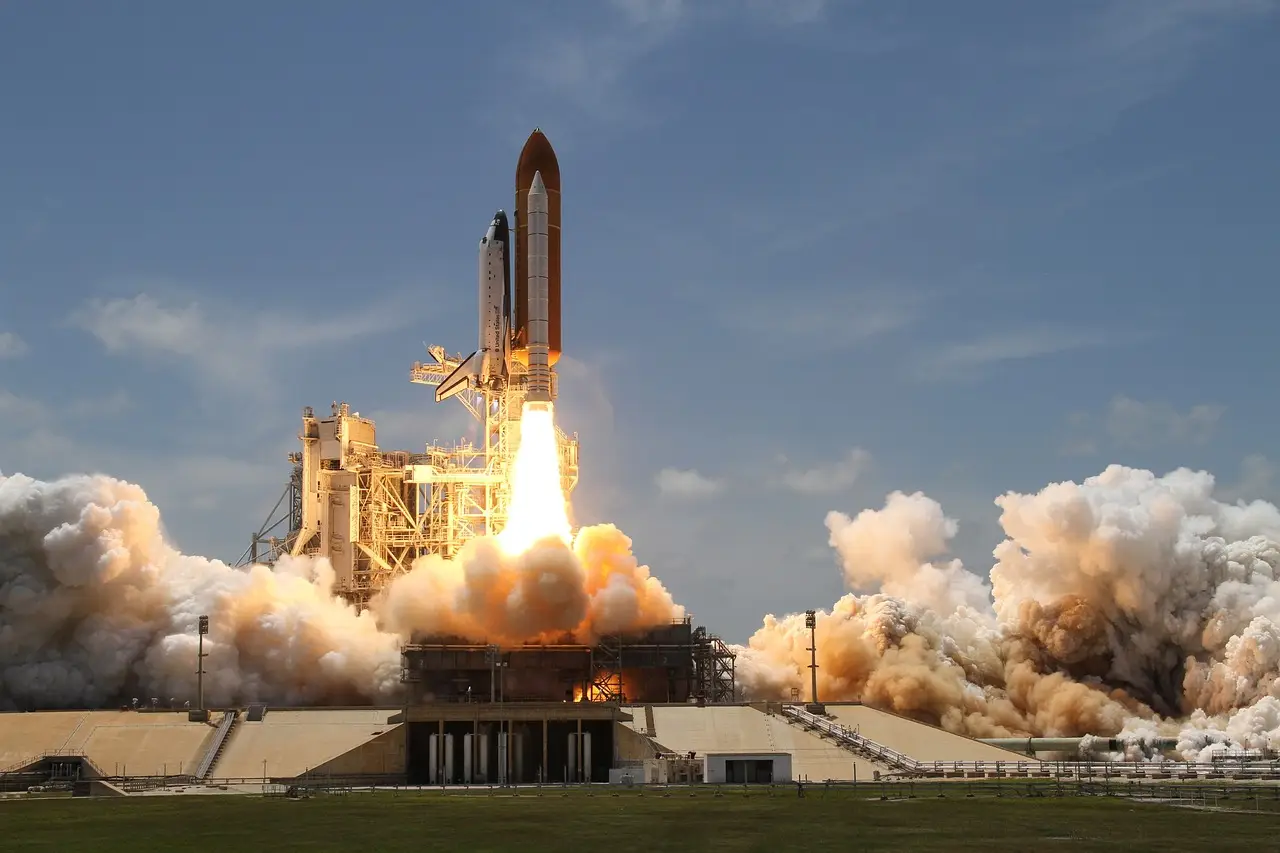
SpaceX will open the launch window for Starship 15 at 4:45 p.m. CST on Friday at its Starbase facility in South Texas, aiming for the first time to return both the booster and the spacecraft to the launch pad rather than the ocean. The company has not achieved this before. That admission matters more than the spectacle.
For nearly three years, SpaceX has launched rockets from South Texas. Each flight has ended with hardware either discarded or recovered at sea, where, as the company itself notes, vehicles "would become unusable." Friday's mission is designed to test whether that constraint can be removed.
The commercial logic is straightforward. Reusability (recovering and reflying the same hardware rather than building a new vehicle each time) would, in SpaceX's own words, "greatly reduce the cost of space travel." The caveat is equally straightforward: the company has not yet demonstrated it for this system, and this flight is the demonstration attempt, not the proof. NASA's current rockets are not reusable, which frames the gap SpaceX is trying to close — but a catch attempt on Friday is not a fleet-level economics result.
What does the flight actually involve?
The two recoveries will not happen simultaneously. According to SpaceX's stated sequence:
- About six minutes after launch, the company will attempt to catch the booster (the first-stage rocket that provides initial lift) at the pad.
- The ship (the upper-stage spacecraft) will go into orbit for nearly 24 hours.
- Once circling the globe, Starship will deploy 26 Starlink V3 satellites, adding capacity to SpaceX's orbital communications network.
- On Saturday, SpaceX plans to bring the ship back to South Texas and attempt to catch it at the Starbase pad.
The payload deployment is the operational payload of the test. Twenty-six satellites is real commercial cargo riding on an experimental flight — a pairing that either validates the architecture or puts revenue hardware at risk on unproven recovery hardware.
Who is watching, and what are they saying?
The launch has drawn spectators to South Texas from other parts of Texas, North Carolina, and Connecticut, according to visitors ABC13 spoke with on Thursday. Randall Folsom, one of those visitors, was direct about the stakes.
"It's just stunning to me," Folsom said. "I've been watching it for years on TV. To me, being able to launch something that big, that complicated, catch it, that's the holy grail of rocketry, right?"
"Holy grail" is enthusiast language, but it captures the engineering claim under test. Catching the vehicle matters because it could make the system reusable — the precondition for the cost reductions SpaceX promises. Note the conditional. Every promise in this mission brief is downstream of a catch that has not yet happened.
The throwaway-car argument
SpaceX CEO Elon Musk framed the economics for an audience at the X Takeover 2025 event in terms any driver would recognize.
"If every time you drove somewhere you had to throw away the car, you'd be 'Wow, that's a crazy car where you have to throw away after every time you drive it.' But that's how it works for rockets," Musk told the crowd.
The analogy is clean, and it is also selective. A caught booster is not yet a reflown booster; recovery is the first of several steps between a pad catch and airline-style turnaround economics. SpaceX did not release cost figures, turnaround timelines, or refurbishment estimates alongside Friday's announcement — the numbers that would let an outside party check the savings claim are not in the brief.
What does this change for SpaceX and its customers?
If both catches succeed, SpaceX gains a hardware set it can inspect, refurbish and potentially refly — the first concrete step toward the cost curve the company has promised. The Starlink V3 deployment also grows the orbital communications network regardless of how the recovery ends, meaning the mission carries commercial value even in partial failure.
If either catch fails, the company returns to diagnosing a landing sequence it has described but not completed. SpaceX has framed Friday as the moment it will "see if it's possible." That framing is honest. It is also a reminder that possibility, not certainty, is what is on the pad.
ABC13's Nick Natario is reporting from South Texas for Friday's launch, with live coverage scheduled for the afternoon.
via abc11.com (Source)
More from Sophie Lindqvist
Show full bio
Correspondent covering money, funding and market shifts around corporate strategy and chief-executive leadership at CEO Frontier.
271 articles
Adjacent sheets
- SpaceX's First Starship Ship Catch: Why Flight 15 Is a 40 Percent Gamble
- Falcon 9 Retirement Puts Satellite Launch Plans at Risk
- Tesla to wind down Cybertruck production for Cybercab
- SpaceX's $24 Billion Starbase Data Center Sidesteps Texas Ban
- Tesla Tuner Unplugged Performance Offers to Take Over Cybertruck Line