Field report SE-8 / L1 · sheet /expansion
Expansion & MarketsFiled from the territory
North Sea's Jackdaw Platform Starts Pumping Gas to British Homes
First gas flows from the £2.1bn Jackdaw platform, set to heat 1.4 million homes at peak as Adura eyes its £8.7bn Rosebank project awaiting UK approval.
- Grid
- SE-8 / L1
- Surveyed
- November 19, 2026
- Reading
- 3 min read
- Correspondent
- Priya Raman
Field notes
- Jackdaw began gas production on 18 November 2026, representing £2.1 billion of investment.
- At peak production the field is expected to heat the equivalent of around 1.4 million UK homes.
- Jackdaw is the first new project onstream since Adura was established in December 2025.
- Rosebank, an £8.7bn development west of Shetland, awaits UK Government approval.
- Jackdaw and Rosebank together are expected to generate £3.8 billion in tax revenues by the end of the next Parliament.
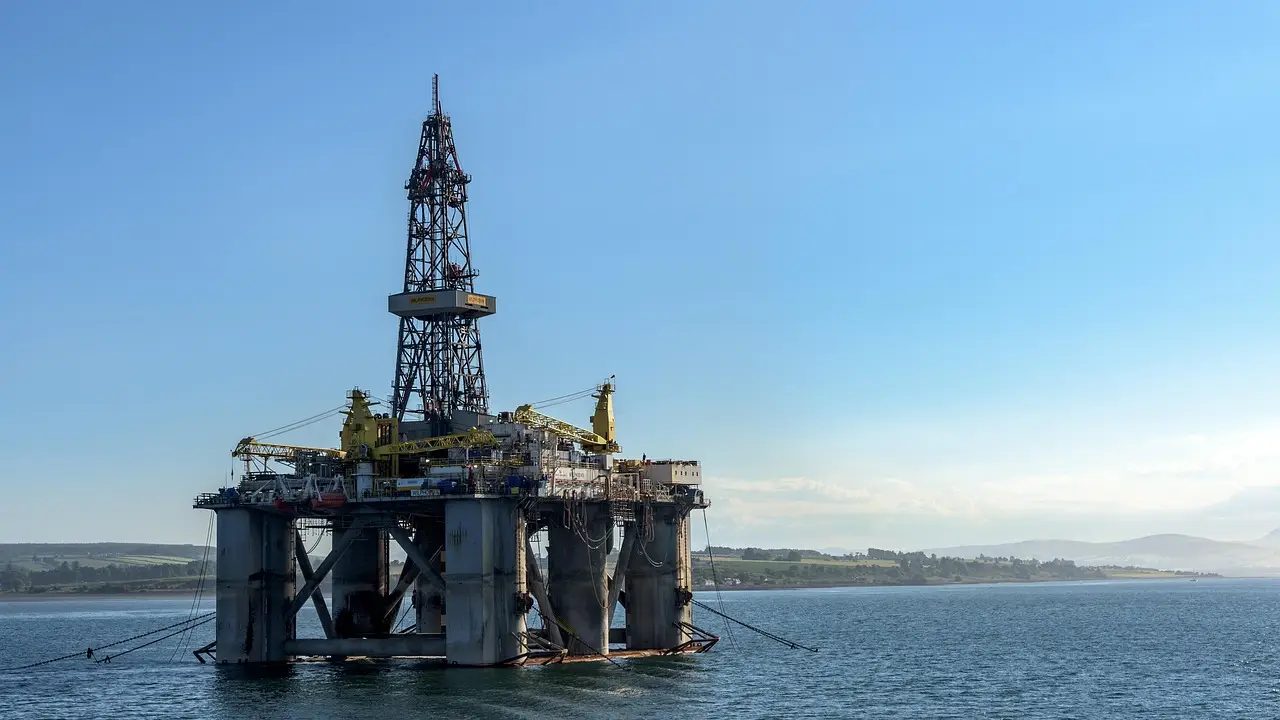
Gas has started flowing from the Jackdaw platform in the North Sea, with the £2.1 billion project expected to heat the equivalent of around 1.4 million UK homes once it hits peak production in the coming months.
First gas arrived on 18 November 2026, timed for winter. The fuel travels from Jackdaw through the existing Shearwater production hub (a shared offshore processing facility) to the St Fergus gas terminal in Aberdeenshire, before reaching homes and businesses across Britain.
What does first gas actually change?
The mechanism is simple. Jackdaw adds domestic supply to the national grid at the moment of year when demand peaks. That matters because Britain currently leans on imported energy, including liquefied natural gas — LNG, gas chilled into liquid form for shipping — which carries a higher emissions footprint than piped North Sea output.
More home-groduced gas means fewer imports. Fewer imports mean lower embedded emissions per unit of energy burned. That's the strategic logic, and Adura, the platform's operator, is leaning on it hard.
Claire Mueller, Jackdaw Project Director at Adura, said: "At a time of considerable uncertainty around the world, Jackdaw will provide secure energy from our own waters to heat British homes and power our economy, while reducing our reliance on imports with higher emissions."
Who is Adura, and why does the timing matter?
Adura was established in December 2025, formed by bringing together two North Sea businesses. Jackdaw is the first new project the company has brought onstream since its creation — a proof point for the new operator and, in Adura's framing, for the basin itself.
The company is headquartered in Aberdeen, and it frames its role plainly: producing the oil and gas Britain "will continue to need for decades, to some of the highest safety and emissions standards in the world."
The economics stack up beyond energy supply. Over its producing life, Jackdaw is expected to sustain skilled employment, supply chain businesses and wider economic activity, while generating tax revenues that could help fund public services and net zero projects.
What comes next: Rosebank and £3.8 billion in taxes
Adura's next major project is Rosebank, an £8.7 billion development west of Shetland currently awaiting an approval decision from the UK Government. That decision is the one to watch.
The fiscal stakes are already quantified. Together, Rosebank and Jackdaw are expected to generate £1.4 billion in tax revenues before the end of this Parliament, rising to £3.8 billion by the end of the next.
Mueller argued the project carries political weight too: "Jackdaw also demonstrates what can be achieved when Britain makes pragmatic, evidence-led decisions about the energy it needs, while properly accounting for our climate responsibilities. It is a positive step towards restoring confidence in the North Sea and among the skilled people and businesses who have built this industry over decades."
The bigger picture
The start of production caps years of work by businesses across the UK, drawing on decades of North Sea expertise. For Adura, it validates a portfolio strategy built around mature infrastructure — Jackdaw plugs into existing hubs rather than requiring new terminal build-out, which shortens the route from wellhead to consumer.
The company sees a pipeline, not a one-off. "With Jackdaw now producing, and other major projects including Rosebank in our pipeline, we have an opportunity to build a bright future for the North Sea, supporting jobs, investment and Britain's energy security for years to come," Mueller said.
For now, the immediate test is winter: whether 1.4 million homes' worth of gas, flowing from British waters, can dent import dependence when demand is at its highest.
via euro-petrole.com (Source)
More from Priya Raman
Show full bio
Senior reporter covering technology and product news in corporate strategy and chief-executive leadership at CEO Frontier.
460 articles
Adjacent sheets
- Burnham's Energy Cost Push Collides With Labour's Net Zero Pledges
- Chemical Industry Chief: Net Zero Depends on Rosebank's Oil
- Africa’s $27 Billion Gas Pipeline Gamble Hinges on Finance
- Think Tank Tells Burnham: Trade North Sea Oil at EU Reset Talks
- Data Center Gas Plants Could Add 10% to US Power Emissions