Field report NW-58 / Q8 · sheet /macro
Boardroom MacroFiled from the territory
Hand sanitiser sales jump 83% after government stockpile warning
Hand sanitiser sales rose 83% in ten days after the government's Be Ready stockpiling campaign, with bottled water up 67% and tinned goods up 37%, Worldpanel data shows.
- Grid
- NW-58 / Q8
- Surveyed
- November 10, 2026
- Reading
- 3 min read
- Correspondent
- Olivia Hart
Field notes
- Hand sanitiser sales jumped 83% year-on-year in the ten days after the government's stockpiling warning.
- Bottled water sales rose 67% and tinned goods 37%; 400,000 more shoppers bought tinned meat daily.
- 27% of British adults said they were stockpiling food or drink after the announcement, Barclays found.
- Grocery sales grew 2.2% in October as food inflation rose from 2.5% to 2.6%.
Hand sanitiser sales jumped 83 per cent year-on-year in the ten days after the government told British households to stockpile, according to Worldpanel by Numerator. Bottled water sales rose 67 per cent and tinned goods climbed 37 per cent over the same window.
The surge follows the launch of the government's "Be Ready" campaign at the end of October, which urged households to build supplies of non-perishable goods and survival essentials to last three days. The campaign prepares Britons for potential hybrid attacks by what Defence Secretary Wes Streeting called "hostile state actors or terrorists". Streeting also disclosed that he had begun building his own stockpile weeks before the public advice went out.
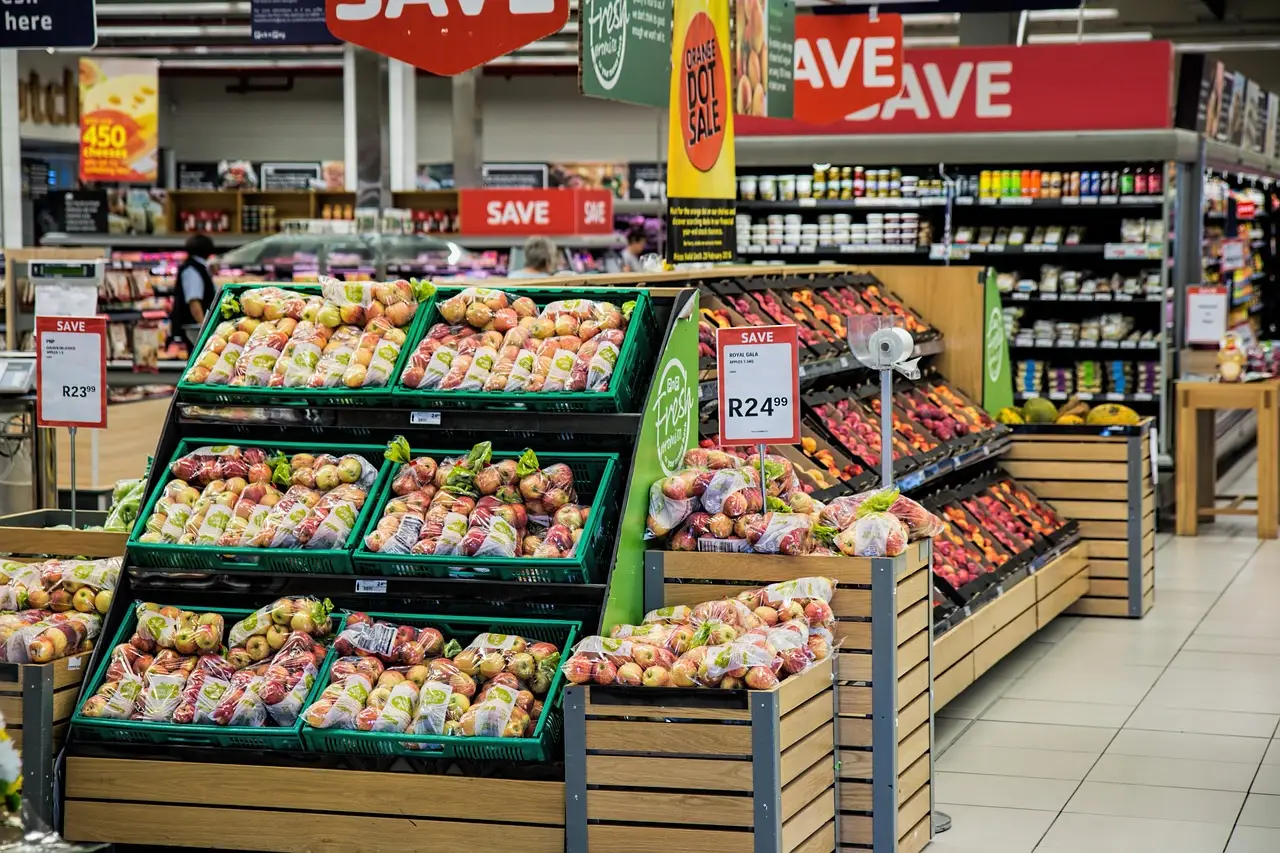
What does the demand spike look like on the shelves?
The numbers point to breadth rather than panic. Some 400,000 more shoppers bought tinned meat each day after the campaign launched. Princes Group, the London-listed tinned foods manufacturer, told shareholders that the government's orders had lifted demand across its range of tuna, tinned tomatoes and dried pasta.
Giuseppe Mastrolia, interim chief executive of Princes, said: "The increase in demand for our ambient food products following the UK Government's Be Ready campaign, further reinforces the relevance of our core categories in providing affordable, nutritious and convenient food solutions."
The company reported higher demand for canned fish, meat, fruit and vegetables since the campaign went live. For a manufacturer sitting squarely on the government's recommended checklist, the alert functions as free category advertising — the kind rivals in chilled and fresh aisles do not receive.
How many households are actually stockpiling?
Barclays found that 27 per cent of British adults said they were stockpiling food or drink in the days after the announcement. Steven Fergus, head of retail at Barclays, said: "A lot of people are clearly asking themselves, 'what would I do if the power went off or the taps ran dry for a few days?' That's a sensible question."
Fraser McKevitt, head of retail and consumer insight at Worldpanel, said shoppers "clearly took notice" of the campaign. But he drew a sharp distinction with the Covid-era shelf-clearing of 2020.
"But this wasn't panic buying, with less than a third of households buying bottled water in October," McKevitt said. "Growth came from more people adding the recommended items on the government's checklist to their weekly shop, not from shoppers piling their trolleys high, which is very much in line with what the government wanted households to do."
Why are retailers unhappy?
Retailers said the stockpiling advice caught them off guard, and they fear a rush on shops could trigger shortages of essentials. The warning landed without coordination on supply chains that plan promotions and inventory weeks ahead.
Marks & Spencer boss Stuart Machin said the advice had worsened consumer sentiment by "worrying" shoppers. That sentiment effect now sits alongside a fragile pricing backdrop: food inflation ticked up from 2.5 to 2.6 per cent in October.
Grocery sales grew 2.2 per cent over the month, according to Worldpanel. The stockpiling bump contributed, but the broader market expanded at a far slower pace than the emergency categories — a reminder that the alert moved specific aisles, not the whole trolley.
For consumer-goods suppliers, the practical read is straightforward. Ambient, long-shelf-life categories carry a temporary demand tailwind tied to government messaging rather than underlying consumption. Retail buyers should expect checklist items to stay elevated while the campaign runs, and boards should treat the lift as event-driven, not structural.
via cityam.com (Source)
More from Olivia Hart
Show full bio
News editor covering regulation, policy and their impact on corporate strategy and chief-executive leadership at CEO Frontier.
206 articles
Adjacent sheets
- UK retail sales rise 1.5% as shoppers wait for Black Friday
- CMA sets Nov. 18 deadline for McCormick-Unilever food merger
- Six-Hour Rule on Trial: The Case For and Against Sunday Trading Reform
- Gordon Brothers Under Fire as Poundland Teeters on Collapse
- Nestlé sets five-point turnaround, signals leaner growth under new CEO