Field report W-49 / L5 · sheet /expansion
Expansion & MarketsFiled from the territory
Data Center Workers Are Propping Up America's Slumping RV Industry
RV shipments fell 13.7% through September, yet data center workers on $100-to-$300 daily per diems now anchor dealer sales and campground occupancy from Iowa to Texas.
- Grid
- W-49 / L5
- Surveyed
- November 11, 2026
- Reading
- 4 min read
- Correspondent
- Amara Osei
Field notes
- US wholesale RV shipments fell 13.7% through September year-on-year.
- Data center workers make up about half of Clear Creek RVs' business in Abilene, up from 15-20% before the buildout.
- Corporate Mobile Housing grew from 300 beds in late 2024 to 1,500, with a doubling expected next year.
- Meta's Richland Parish campus will support 7,500 construction jobs at peak and 1,000 operational jobs.
- Texas, about one in five planned US data center buildings, elected a governor backing a statewide moratorium.
US wholesale RV shipments fell 13.7% through September year-on-year, yet dealers from Iowa to Texas say one customer group is keeping them afloat: data center construction workers. Roughly half of business at Clear Creek RVs in Abilene, Texas, now comes from data center crews, marketing director Shannon Calkins estimates — up from 15% to 20% before the AI buildout, when worker-buyers came mainly from pipeline and solar projects.
The AI infrastructure boom — one of the largest in US history, per Brookings — has sent traveling construction workers into towns where hotels and short-term rentals are scarce or costly. Workers spending per diems of roughly $100 to $300 a day, according to Clear Creek's finance team, are buying trailers they can move to the next site when a project ends.
How much does the RV play cost a worker?
The economics are straightforward. Most data center buyers choose smaller, cheaper travel trailers, Calkins says. A smaller trailer runs about $20,000, and loan payments can come in at $400 a month or less depending on terms.
A $400 trailer payment paired with a $600 campsite puts total housing cost at $1,000 a month before electricity, insurance, or food — money the worker converts into an asset rather than hotel bills. Some buyers have limited credit histories, which makes loans harder to secure and more expensive when approved. In Cedar Rapids, Iowa, dealer Joel Philipp also saw demand for larger fifth-wheel models at $60,000 to $70,000, typically from coworkers sharing bunkhouse units or tradespeople bringing families.
Which dealers and parks are benefiting?
- ATC RV Center, Cedar Rapids: Data center workers kept unit sales roughly flat from a year earlier. "Without them, it would have been really slow for us," manager Joel Philipp said. The dealership used geofencing (location-based ad targeting) to reach workers browsing phones near construction sites; a number of them came in and bought.
- Bayou Outdoor Supercenter, Louisiana: The dealer offers workers on Meta's Hyperion project a calculator comparing hotel costs against buying an RV they can take to their next job.
- Clear Creek RVs, Abilene: Growth in a difficult market, driven by the new customer base, Calkins said.
Campgrounds built for tourists are filling with long-term tenants. At Amana RV Park & Event Center near Cedar Rapids — 450 campsites that typically host up to 60 long-term campers — manager Jamie Wolter once found seventy Amazon packages piled up for data center workers, who have come from as far away as Oregon and Washington since Google and QTS began building in the area. "It's like you're a landlord now, and you never used to be," Wolter said. She credits the long-term guests with offsetting a decline in RV tourism driven by gas prices: "Without these long-term guests, it would have been terrible."
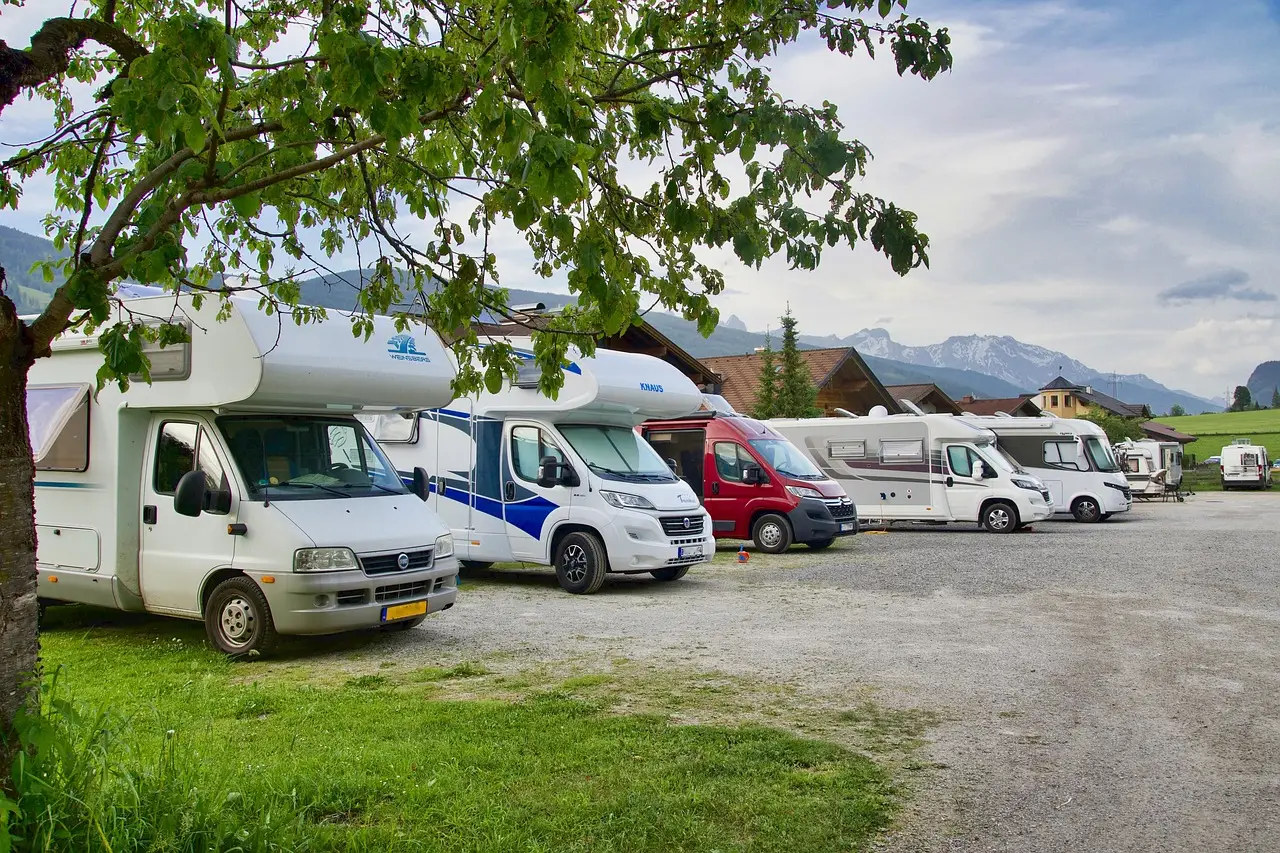
At Abilene RV Park in Texas, manager Debbie Coffey reported every weekly, monthly, and cabin space full, a continual waitlist of 20 to 30 people, and so many deliveries that she feels "like a mail lady about half the day every day." The park raised its monthly rate by $50, to $600 plus electricity, to cover higher property taxes and upkeep. Coffey keeps about five of the park's 66 spaces open for travelers, the guests she counts on when construction winds down.
How large is the worker-housing economy?
Near Meta's Richland Parish, Louisiana, campus, Corporate Mobile Housing's Dunn Village offers rooms in mobile homes plus 170 spaces for workers' own RVs. Founded after Hurricane Katrina in 2005 to house workers pumping water out of New Orleans, the company later served oil and gas crews. Before Meta announced its Louisiana data center in late 2024, it provided 300 beds; it now provides 1,500, and director of strategic growth Heather Kleinpeter expects that to double next year. Two of her sons work in data centers and have lived in modular housing at the village.
"People are just taking advantage of the opportunity on every level," Kleinpeter said. Around Richland Parish, parks now feature fences, swings, and kids' bikes; food trucks sell breakfast at some sites.
What happens when construction ends?
Meta says its expanded Richland Parish campus will support more than 7,500 jobs at peak construction and 1,000 operational jobs. Corporate Mobile Housing plans five to seven years out; afterward it may relocate modular homes or repurpose land already fitted with water, sewer, and electricity. "It's going to be a collective like, 'What does the municipality want?'" Kleinpeter said.
The political climate is also hardening. In this month's midterms, Texas elected Gina Hinojosa, who backs a statewide moratorium on new data center approvals, as governor; Texas accounts for about one in five planned or under-construction US data center buildings, per industry tracker Cleanview. Michigan elected Abdul El-Sayed, who has called for a pause on new developments, to the Senate, and voters in several towns approved measures restricting or banning new data centers.
Around Abilene, Calkins has watched new parks spring up in fields — some little more than crushed gravel and utility hookups — even as established parks turn away monthly renters. When work dries up, crews will hitch up and leave. The parks left behind, she predicts, will sell for "pennies on the dollar."
via feeds.businessinsider.com (Source)
More from Amara Osei
Show full bio
Market editor covering people, launches and day-to-day practice in corporate strategy and chief-executive leadership at CEO Frontier.
231 articles
Adjacent sheets
- Amazon Commits to Texas Data Center Campus, 550 Jobs
- Thanksgiving Gasoline Set for Record Despite Falling Below $4
- Tesla to End Cybertruck Production in 2027, Musk Reveals $1.9 Billion Loss
- Data Center Gas Plants Could Add 10% to US Power Emissions
- Portland's 1% Tax on Billion-Dollar Firms Has Raised $1.7 Billion