Field report SW-70 / Q3 · sheet /macro
Boardroom MacroFiled from the territory
Portland's 1% Tax on Billion-Dollar Firms Has Raised $1.7 Billion
Portland's 1% surcharge on billion-dollar corporations has pulled in over $1.7 billion since 2018, funding solar, retrofits and heat resilience across the city.
- Grid
- SW-70 / Q3
- Surveyed
- November 11, 2026
- Reading
- 5 min read
- Correspondent
- Priya Raman
Field notes
- Portland's 1% tax on large corporations has raised more than $1.7 billion since voters approved it in November 2018.
- The surcharge brings in roughly $200 million a year, versus an initial forecast of $60 million.
- Around 500 companies with over $1 billion in annual retail sales pay the tax; the 2018 ballot measure passed with 65% support.
- The first three grant rounds cut an estimated 25,500 metric tons of CO2 emissions.
- Two supermarket chains that passed the tax to customers paid a $36 million class-action settlement.
Portland, Oregon has collected more than $1.7 billion from its pioneering 1% tax on billion-dollar corporations since voters approved the measure in November 2018, and the money is now bankrolling hundreds of climate projects across the city — from a solar farm on a former landfill to air conditioners handed out after a deadly heat wave.
The Portland Clean Energy Community Benefits Fund, which administers the revenue, charges 1% on the local retail sales of corporations with more than $1 billion in annual sales and at least $500,000 in sales inside city limits, with exemptions for necessities like groceries. Roughly 500 large companies are affected, including names like Amazon and Walmart, though the city hasn't disclosed exactly who pays. Revenue flows to both community grants and larger city projects, with a focus on climate justice.
What has the money built so far?
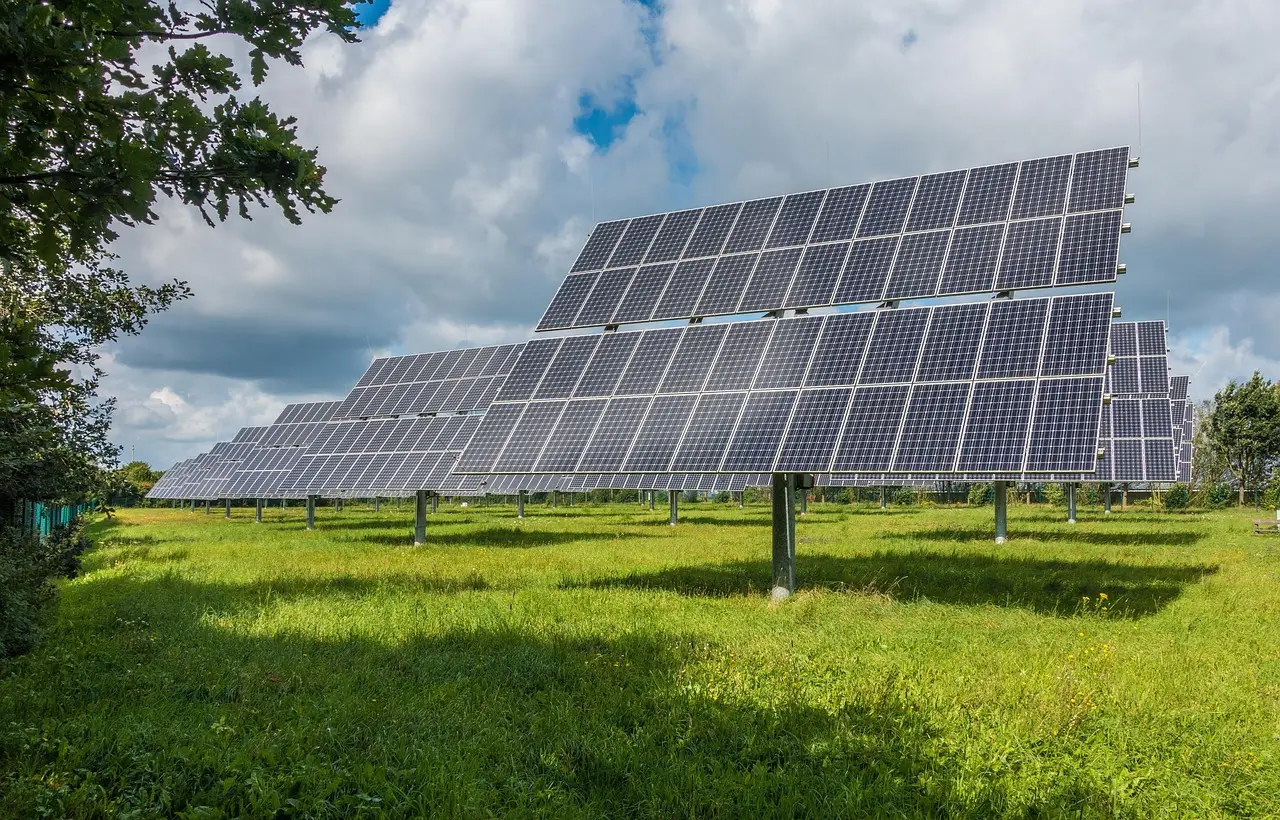
On the former landfill in outer Portland, workers are installing hundreds of solar panels for a community solar project. Around 170 low-income families can sign up to use a share of the electricity, cutting their utility bills by as much as 40%.
"Without those funds, it wouldn't exist," said Jessica Carmona, renewables program director at the Bonneville Environmental Foundation, the nonprofit running the project. "It's not possible to build these types of sites for nonprofits that are low-income benefiting, with such high levels of savings, if you're not getting funding."
The land is now owned by the Bird Alliance of Oregon, which is using another city grant to restore wildlife habitat there. The same street tells the rest of the story:
- A high school has received grants for youth climate action.
- The city has planted trees to cut extreme heat.
- Another grant will help fund a major rapid bus corridor.
- The latest round includes a "bike bus" program to get kids to school by bike, aiming to eventually replace more than half a million miles of car trips, plus bike lending for university employees.
The Bird Alliance also won a grant to expand backyard habitat restoration. "What the Portland Clean Energy Fund is allowing us to do is to work with a total of 420 new households focused in areas that have the greatest burdens of urban heat islands and air pollution and low tree canopy," said Micah Meskel, the organization's director of conservation and rehabilitation. He called the fund a climate justice program, arguing it's fitting that corporations "who have the most negative impact on climate change be the ones that are paying for it."
Other grants fund home retrofits to cut energy bills, worker training for energy audits, and net-zero housing (homes producing as much renewable energy as they consume). Program manager Sam Baraso said rising construction costs push builders to strip out features like heat pumps, and the fund keeps them in the plan. "They're whittling away everything that they originally put into the plan," he said.
Why did the money balloon?
The city projected the surcharge would raise up to $60 million a year. It's actually bringing in around $200 million. According to the city economist, the pandemic shifted shopping habits — online retailers now sell more in Portland — and inflation lifted the dollar value of purchases. The windfall forced a rethink: the program expanded from community grants into funding larger city projects.
"We have also seen great benefit in its evolution to bring in the city as an important partner to really scale the impact," said Meskel, pointing to parks, tree canopy and transportation.
The timing proved lucky. As the Trump administration slashed federal climate funding, Portland's local tax kept projects alive. "When that stuff bottomed out at the federal and state level, we became the only game in town," said Raffaele Timarchi, external affairs manager for the fund. Several projects wouldn't have moved forward without it, he said.
Who pushed back, and how hard?
Corporations fought the 2018 ballot measure, and the opposition campaign — backed by Amazon and others — out-raised supporters. It passed anyway, with a decisive 65% of the vote. A 2024 survey found 65% of citizens still viewed the fund favorably, and the Portland Metro Chamber, which had opposed the measure, defended it last year when questions arose about spending.
There have been stumbles. Two supermarket chains added 1% charges to some non-food items; customers sued and won a settlement — WinCo agreed to pay $36 million. Economist Eric Fruits of Portland State University, an opponent of the program, believes other companies quietly passed the cost on too. "Even if it's not a line item, it's going to get passed on in higher prices," he said — though he concedes inflation hid any impact, and he thinks it did no real harm to consumers or retailers.
A 2022 city auditor report cited unclear goals and weak oversight of grant effectiveness; a 2023 follow-up found progress but room for improvement. The state also banned other communities from passing similar surcharges on large businesses' gross receipts, though Portland kept an exemption. "No one's ever done this before, and sometimes it's hard to make the road by walking," said Timarchi.
Is $1.7 billion enough?
No — at least not by the fund's own math. A ballot initiative this year that wanted to divert fund money to police hiring failed to qualify, but prioritization fights continue. Eugene, Oregon passed a related program this year, and the Portland team advises other cities to be clear about goals and community decision-making.
"$1.6 billion that we moved over five years is just an illusion of abundance," said Timarchi. "It's just not enough money for all those projects, so this question of prioritization is really important."
The city estimates the first three grant rounds cut roughly 25,500 metric tons of CO2 — a rounding error against the world's 38 billion annual metric tons. The real payoff, backers argue, is resilience and proof of concept as extreme heat risks keep growing.
via fastcompany.com/rss (Source)
More from Priya Raman
Show full bio
Senior reporter covering technology and product news in corporate strategy and chief-executive leadership at CEO Frontier.
212 articles
Adjacent sheets
- BP Pivots Back to Oil and Gas, Trims Renewable Spending
- California Rejects Prop 40 Billionaire Tax After $130 Million Tech Push
- Airbnb's Chesky Commits $100 Million to San Francisco Parks
- Amazon Commits to Texas Data Center Campus, 550 Jobs
- California Billionaires Spent $300 Million to Kill the Wealth Tax — and Won