Field report N-9 / M8 · sheet /expansion
Expansion & MarketsFiled from the territory
Africa Made It Targets $34bn GDP Shift From Raw Cotton to Garments
A pan-African consortium has launched a campaign to capture $34bn in annual GDP by processing cotton into garments on the continent, creating nearly two million industrial jobs.
- Grid
- N-9 / M8
- Surveyed
- November 11, 2026
- Reading
- 2 min read
- Correspondent
- Elena Vasquez
Field notes
- Africa Made It targets $34 billion in annual GDP contribution from local cotton-to-garment processing
- Africa exports up to 98% of its raw cotton and captures only 2% of its value, running a $35bn annual trade deficit
- The plan projects nearly 2 million permanent industrial jobs and about $33bn per year into household incomes
- Women make up 70-90% of garment factory workers in Africa
- The 'Power, Protect and Purchase' campaign launched in Lagos
A pan-African consortium is targeting $34 billion in annual GDP contribution by shifting the continent from exporting unprocessed raw cotton to end-to-end local garment production. The campaign, launched under the banner Africa Made It, was officially unveiled in Lagos with a roadmap for continental industrialisation.
The initiative, titled 'Power, Protect and Purchase', rests on three pillars: securing competitive energy for local industrial mills, enacting policy measures to shield emerging domestic manufacturers from unfair foreign imports, and rallying African consumers to buy locally made apparel. The design is deliberate — value created from African resources should remain on African soil.
How large is the leakage?
Research by Africa Practice, cited at the launch, quantified the scale of the loss. Africa exports up to 98 per cent of its raw cotton overseas and captures only 2 per cent of its total value. The continent simultaneously runs a $35 billion annual trade deficit.
Africa Made It said building domestic processing capacity in spinning, weaving and sewing locally produced cotton would reverse that trend. The group's projections are specific:
- Nearly two million permanent industrial jobs sustained across the continent
- Approximately $33 billion injected directly into domestic household incomes every year — roughly comparable to the current trade deficit the model aims to erase
- A recurring $34 billion annual contribution to continental GDP
The consortium frames the fibre-to-fashion value chain as the first test case for a broader push: moving Africa from a primary exporter of raw materials to a global player that controls, processes and monetises its own resources.
What does the campaign say about jobs and wages?
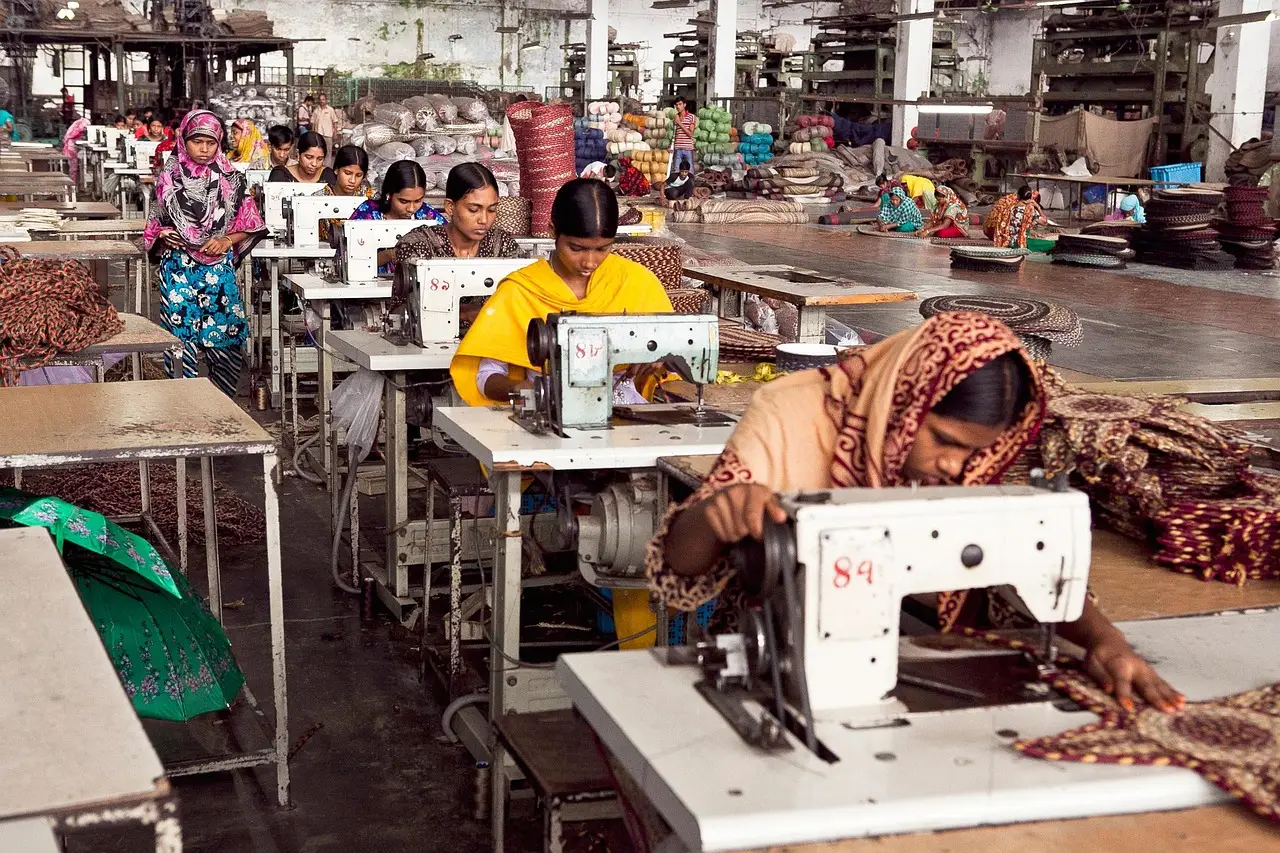
Beyond the macroeconomic figures, the campaign stressed human impact. Industrial wages and local purchases of cotton lint would increase capital circulation in rural communities, driving micro-economic vitality and contributing to rural poverty reduction, the group said. Formal employment opportunities would also expand sharply for women, who currently make up between 70 and 90 per cent of garment factory workers on the continent.
Marie Wilke, editor-in-chief of the Africa Made It magazine, said African culture, design and storytelling influence global fashion, music and media like never before — yet without domestic manufacturing infrastructure, that creative authority yields very little economic return.
"Linking raw cotton harvest directly to local processing ensures that the intellectual property, commercial margins, and industrial jobs remain on the continent. It is time to wear our power," Wilke said.
Who is behind the campaign?
Africa Made It is driven by a consortium of pan-African organisations, advocacy groups and media companies positioning Africa as a global investment hub. Its coordinating network includes:
- AllAfrica Media
- Africa24
- Africa No Filter
- Africa Practice
- Afreximbank
- AKAS Consulting
- Bird Story Agency
- IC Publications
- Research Alpha
The group has urged governments, investors and consumers to back the campaign, arguing that Africa's vast natural wealth must be converted into sovereign, self-sustaining economic power. The launch in Lagos marks the starting point of that conversion.
via leadership.ng (Source)
More from Elena Vasquez
Show full bio
Staff writer covering companies, deals and strategy in corporate strategy and chief-executive leadership at CEO Frontier.
216 articles
Adjacent sheets
- S&P Global: West Africa's Power Problem Is Deliverability, Not Gas
- Africa’s $27 Billion Gas Pipeline Gamble Hinges on Finance
- China Backs South Africa's $122 Billion Energy Push
- Air cargo offers South Africa a hedge against trade disruption
- Africa Must Build Market Power to Match Its Mineral Wealth, WiM-Africa Says