Field report E-41 / J8 · sheet /strategy
Corporate StrategyFiled from the territory
Walmart Posts $188.8 Billion Quarter as Richer Shoppers Arrive
Walmart's revenue rose 5.2% to $188.8 billion as higher-income shoppers arrived for groceries and gas, though fuel drove nearly half of Sam's Club's 9.7% growth.
- Grid
- E-41 / J8
- Surveyed
- November 19, 2026
- Reading
- 3 min read
- Correspondent
- Sophie Lindqvist
Field notes
- Total revenue reached $188.8 billion, up 5.2% year over year and ahead of expectations
- US comparable sales grew 2.9%, led by grocery and higher-income shopper visits
- New pharmaceutical pricing laws cut about one percentage point from US comparable sales
- US e-commerce grew 23%, with over 80% of online orders fulfilled from stores
- Fuel accounted for nearly half of Sam's Club's 9.7% quarterly sales growth
Walmart booked $188.8 billion in total revenue for its latest quarter, a 5.2% increase over the same period last year and ahead of analyst expectations, as grocery trips and gas pumps pulled higher-income shoppers into its stores.
The retailer reported the figures on Thursday. Its earnings call was scheduled for 8 a.m. Eastern Time, meaning profit details, margin commentary and executive guidance had not yet been disclosed when the sales numbers landed. What the release does say — and what it leaves out — sketches a growth story with several pressure points worth watching.
Where the growth came from
US comparable sales (revenue from stores and channels open at least a year, a standard retail health metric) rose 2.9%, led by grocery and increased visits from higher-income shoppers. That cohort's arrival is the strategic headline: affluent customers trading down or crossing over strengthen Walmart's volume base in the segment where it already leads US rivals.
The growth was not evenly spread across categories. New laws on pharmaceutical pricing shaved roughly a percentage point off US comparable sales, according to the company. That is a material drag — about a quarter of the reported 2.9% growth — and it comes from regulation rather than shopper behavior. Walmart did not say whether it expects that headwind to persist, deepen or reverse in coming quarters.
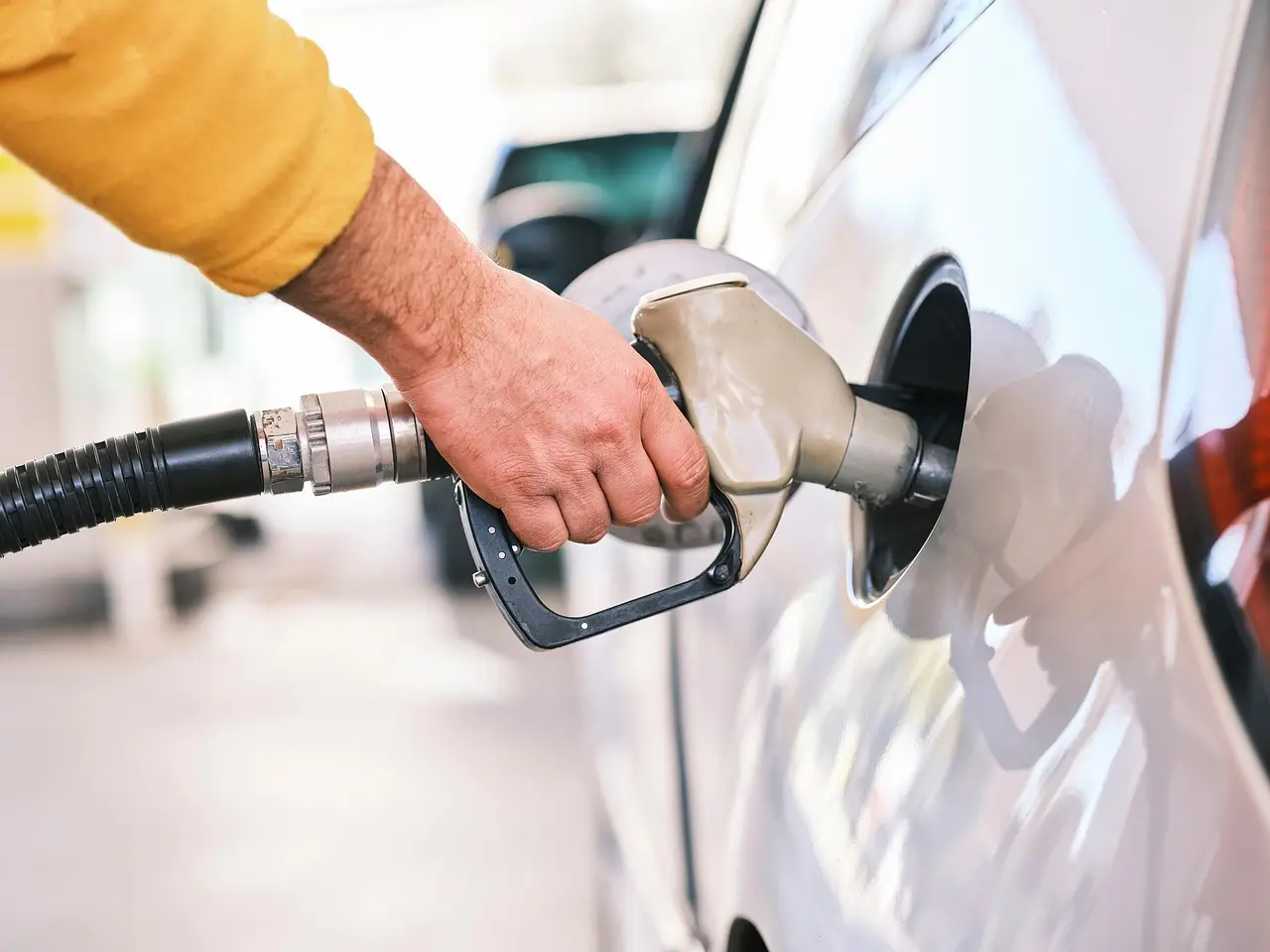
Sam's Club, the company's warehouse chain, posted 9.7% sales growth for the quarter. Fuel accounted for nearly half of that top-line expansion, as high gas prices during the period stretched household budgets and pushed drivers toward discount pumps. That mix carries a caveat: fuel-driven growth is price-sensitive and can evaporate when pump prices fall. Strip gasoline out, and the underlying merchandise figure was not disclosed.
What does the e-commerce number change?
US e-commerce grew 23% for the quarter — the fastest-moving line in the report. More than four out of every five online orders were fulfilled from stores, including some third-party marketplace items, which turns the physical footprint into distribution infrastructure rather than a cost center competing with digital.
Delivery speed is improving as well. A larger share of orders arrived in under three hours, though Walmart did not quantify the proportion or the cost economics of that speed. Faster fulfillment tends to raise per-order expense; whether it lifts average order values enough to offset that cost is a question the earnings call will have to answer.
The skeptic's ledger
Three claims deserve stress-testing. First, the 5.2% revenue beat rests partly on fuel inflation at Sam's Club — a tailwind Walmart does not control. Second, the pharmaceutical-pricing hit shows the sales base is now exposed to policy shifts in Washington, not just consumer sentiment. Third, the higher-income shopper influx is reported as a fact of the quarter, but the release offers no data on retention, basket size or margin contribution from that group.
What Walmart describes as a flywheel gathering steam — cheap groceries and gas drawing traffic, traffic feeding e-commerce, e-commerce leveraging store networks — is internally consistent. Whether it compounds depends on numbers absent from Thursday's release: operating income, gross margin by segment, and full-year guidance.
Investors and competitors will get those details on the call. Until then, the verified story is narrower than the enthusiasm: solid top-line growth, a regulatory drag of about one point, e-commerce compounding at 23%, and a warehouse chain whose headline number leans heavily on gasoline.
via feeds.businessinsider.com (Source)
More from Sophie Lindqvist
Show full bio
Correspondent covering money, funding and market shifts around corporate strategy and chief-executive leadership at CEO Frontier.
483 articles
Adjacent sheets
- Walmart closures leave nearby traffic and revenue 25% below baseline
- Shopify Beats on Earnings but GMV Miss Signals Slowing Growth
- NRF Sees $1.013 Trillion in Holiday Sales, Up 4.2%
- Target Posts Best Sales Quarter in Five Years Ahead of Holidays
- Target Traffic Rises 7.2% as Turnaround Gains Holiday Momentum