Field report ·
Boardroom MacroFiled from the territory
USDA Rule Change Killed 57 REAP Applications Worth $9 Million in Grants
A rural energy consultant laid off all five employees after USDA froze REAP, voiding 57 client applications worth over $22 million in investments and $9 million in grants.
- Surveyed
- November 22, 2026
- Reading
- 3 min read
- Correspondent
- Amara Osei
Field notes
- USDA stopped processing pending REAP applications in March and issued a new qualifying rule in October
- 57 client applications worth over $22 million in investments and $9 million in grants were voided
- Michigan dairy farmer Ron Rusk invested about $86,000 in solar before his application was terminated
- Each REAP grant dollar generates an estimated $8.72 in total project spending, per NSAC
- About two-thirds of REAP grants went to districts now represented by Republicans, Brookings found
Fifty-seven grant applications representing more than $22 million in rural energy investments and over $9 million in federal awards were voided this year by USDA rule changes, according to the founder of a consulting firm who says the decision forced him to lay off his entire staff.
David Wescott-adjacent details are absent from the record, but the account comes directly from the founder of Sun Grants Consulting, established in 2023 to help farmers and rural small businesses apply for grants through the Rural Energy for America Program (REAP). Writing in Fortune, he states plainly: "This year, I was forced to lay off all five of my employees." His firm had filed almost 200 applications before the shutdown.
What did USDA change?
In March, USDA announced it would stop processing pending REAP applications and make no further awards until new regulations took effect. Applicants who had followed the existing rules were told they would have to start over.
A second rule followed in October. It fundamentally changed how future applicants qualify: farmers and businesses must generally complete projects, pay the bills, and document 12 months of energy production or savings before they can even apply. USDA itself concedes "some uncertainty about whether an applicant will receive an award."
The founder's verdict: "USDA has turned an investment incentive into a reimbursement lottery." The businesses most in need of assistance, he argues, are often least able to gamble capital on a grant decision a year or more away.
Who paid the price?
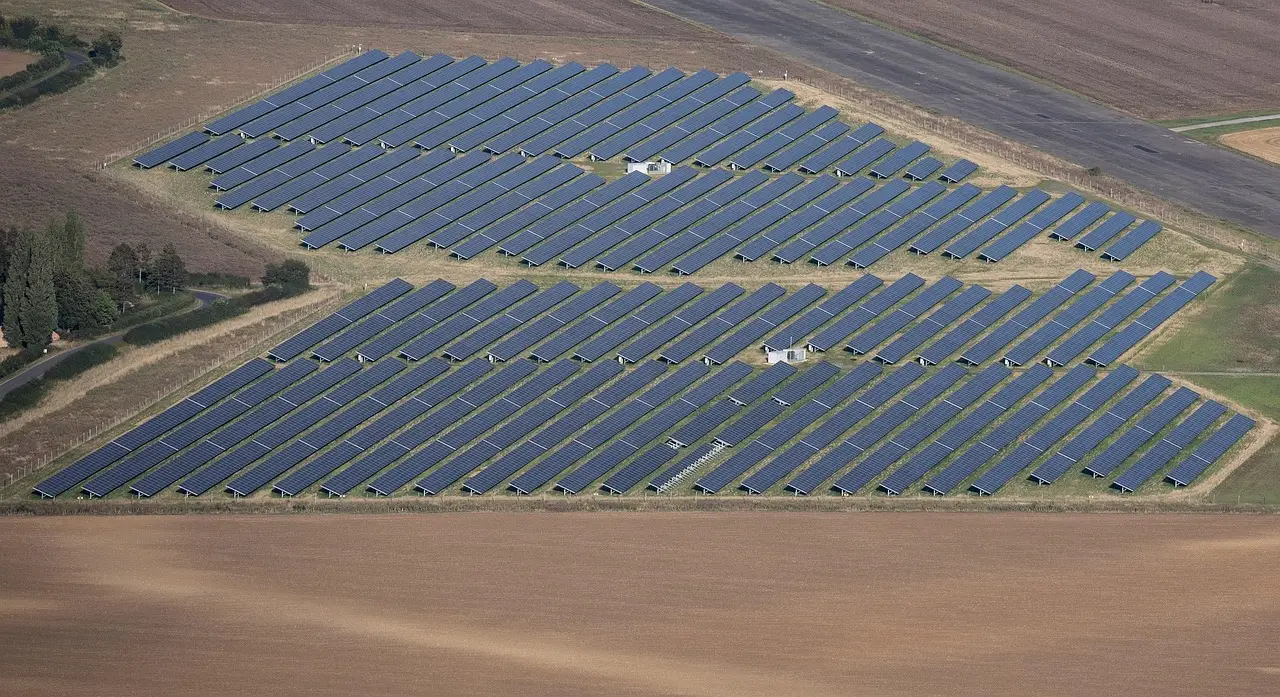
Michigan dairy farmer Ron Rusk, whose REAP application the consultancy helped prepare, invested approximately $86,000 in solar equipment after applying under the previous rules. He sought a grant covering roughly a quarter of the cost. USDA's March reversal left his application in limbo; the October rule terminated it.
The damage extends beyond applicants. The National Sustainable Agriculture Coalition estimates that each REAP grant dollar generates $8.72 in total project spending — work for electricians, installers, manufacturers and rural contractors. USDA's own budget documents state that REAP projects give farmers and rural small businesses "new and sustainable income streams."
Congress created REAP in the 2002 farm bill to encourage renewable energy and efficiency investments, and it has enjoyed bipartisan support, including reauthorization in the 2018 farm bill that President Trump signed. REAP is not a blank check: farmers and business owners put their own capital at risk, hire private contractors, and pay costs the grants do not cover.
Why does the administration defend the change?
USDA's March announcement vowed to end "taxpayer handouts" for renewable energy, and the president's executive order targets "market distorting subsidies." Yet the REAP grant is taxable income, and USDA says a farmer can claim it alongside the federal solar tax credit.
The founder points to an apparent inconsistency: in October, USDA announced $8 billion in assistance to farmers facing higher fuel costs. "Why is helping farmers pay for fuel acceptable while helping them invest in permanently lowering their energy bills is condemned?" he asks.
The administration also invokes farmland protection. USDA's own research found that solar and wind installations directly occupied less than 0.05% of U.S. farmland in 2020.
Where does the political weight fall?
Brookings found that about two-thirds of REAP grants went to districts now represented by Republicans, and 18 of the 20 districts receiving the most are Republican-held. These policies fall hardest on communities the administration promises to defend, the founder notes.
The legal question is also serious. Congress instructed USDA to "promote" renewable energy and efficiency for rural businesses, yet the new rule itself says the policies behind it direct USDA to "disincentivize solar development on farmland." The founder argues an agency cannot rewrite a statute by policy.
What is the broader argument?
Farmers face weather, commodity prices and uncertain markets every year, the founder writes. They should not also have to guess whether Washington will change the rules after they invest.
His closing principle is blunt: "A government that claims to champion American business should understand a fundamental business principle: Your word must mean something."
via fortune.com/feed/ (Source)
More from Amara Osei
Show full bio
Market editor covering people, launches and day-to-day practice in corporate strategy and chief-executive leadership at CEO Frontier.
552 articles
Adjacent sheets
- Portland's 1% Tax on Billion-Dollar Firms Has Raised $1.7 Billion
- SBA Doubles Veteran Contracting Goal to 10 Percent
- Nature Finance Grows Tenfold to $102 Billion, Still a Fraction of Need
- Labour donor Dale Vince vows to fund legal challenge over Rosebank
- Alphabet Set to Back $3 Billion in Prepaid Energy Bond Deals