Field report N-77 / M8 · sheet /operations
Operations & RestructuringFiled from the territory
Toyota Commits Y1tn a Year to Robots and Factory Overhaul
Toyota and suppliers will spend Y1tn ($6.3bn) a year from 2028, installing 400,000 robots and scaling Arene software to 10 million vehicles by 2030.
- Grid
- N-77 / M8
- Surveyed
- November 17, 2026
- Reading
- 3 min read
- Correspondent
- Olivia Hart
Field notes
- Toyota and suppliers plan about Y1tn ($6.3bn) in annual equipment spending from 2028
- The programme covers roughly 400,000 robots: 150,000 at Toyota facilities and 250,000 at suppliers
- Arene software to reach about 50 models and 10 million vehicles by 2030
- L2++ automated driving and solid-state batteries in a vehicle are slated for 2028
- Scion by Toyota brand launched with the KEI-01 ultra-compact utility truck
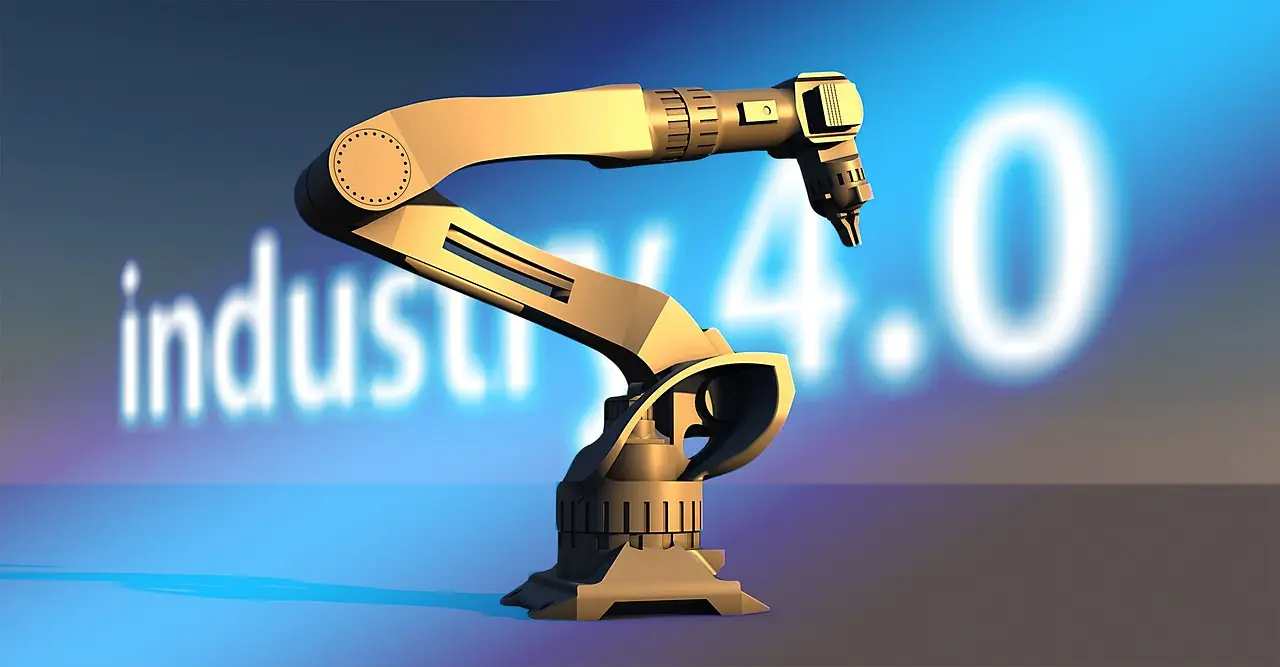
Toyota and its suppliers will spend roughly Y1tn ($6.3bn) every year from 2028 to replace ageing production equipment, the carmaker has announced, in a programme that puts some 400,000 robots onto factory floors across the wider production network.
The split matters for practitioners planning capacity around Toyota's ecosystem. Around 150,000 units will be installed inside Toyota and Toyota Group facilities. The remaining 250,000 will go to supplier sites, which means the capital burden and the installation schedule reach deep into the Tier 1 base.
What does the investment buy?
The spend funds a phased automation strategy that folds physical artificial intelligence and robotics into the Toyota Production System. Toyota plans three stages:
- Conventional robotics for repetitive tasks
- Synchronised end-to-end production and logistics
- Collaborative environments where humans and robots work side by side
Plant machinery, logistics and supply chains will link through an integrated Factory Control Platform, giving the group a single control layer across what are today largely separate systems.
Toyota also wants a return beyond its own walls. Over time, it hopes to commercialise its robotics technologies by supplying other manufacturers and external industries, turning the factory upgrade into an independent business line. That positions Toyota against industrial automation vendors rather than only against rival carmakers.
How far does Arene reach?
Alongside the industrial overhaul, Toyota is scaling Arene, its proprietary software platform. The platform currently runs on the RAV4 and the Lexus ES. By 2030, Toyota plans to deploy it on approximately 50 vehicle models covering ten million vehicles worldwide, with potential access extended to alliance partners.
Arene is engineered to run applications across differing semiconductor generations, which protects Toyota from chip-supply shifts that strand single-generation software stacks. The company is also developing the platform for deployment outside automotive applications, including factories, robotics, infrastructure and homes.
What happens in 2028?
Toyota unveiled the broader roadmap at its North American research centre, and 2028 anchors the vehicle-technology milestones. That year, Toyota will introduce L2++ automated driving assistance on selected retail models, using in-house end-to-end AI trained on real-world driving data. It also plans the rollout of all-solid-state batteries in a vehicle by the end of 2028.
For buyers and competitors alike, the solid-state deadline is the harder commitment: the technology has promised step-change range and charging gains for years, and Toyota is now attaching a date and a product to it.
A new brand in North America
Separately, Toyota Motor North America introduced a new mobility brand, Scion by Toyota, earlier this week. Its debut vehicle is the KEI-01, an ultra-compact utility truck that marks the North American entity's entry into the commercial low-speed vehicle market.
Toyota Motor Corporation CTO Hiroki Nakajima framed the programme as a convergence play rather than a collection of separate bets. He said: "By bringing those strengths together with advances in AI, software and robotics, we aim to accelerate the development of smarter vehicles, more adaptable manufacturing and new mobility solutions that improve everyday life."
For suppliers, the message is concrete: budget for robot installations from 2028 and prepare to connect to the Factory Control Platform. For rivals, Toyota has now priced and dated an automation and software roadmap that stretches from the shop floor to the operating system of ten million vehicles.
via just-auto.com (Source)
More from Olivia Hart
Show full bio
News editor covering regulation, policy and their impact on corporate strategy and chief-executive leadership at CEO Frontier.
456 articles
Adjacent sheets
- GM’s 20% factory automation target raises 2028 labour stakes
- Path Robotics Raises $300 Million at $2.45 Billion Valuation
- Toyota Tsusho Creates Definex Software Unit, Sells 20% to Denso
- Toyota Puts ₹460 Crore Into Karnataka E-Drive Line, Lifting Hybrid Capacity 125%
- Audi and SAIC Open Shanghai Tech Centre for China-Only AUDI Brand