Field report NE-24 / N8
Filed from the territory
Same Factory Does Not Mean Genuine: When Brand-Made Goods Are Counterfeit
Viral TikTok claims say Chinese factories can sell luxury goods direct to consumers. South African law says unauthorised overruns are still counterfeit.
- Grid
- NE-24 / N8
- Surveyed
- November 18, 2026
- Reading
- 3 min read
- Correspondent
- Olivia Hart
Field notes
- Counterfeiting turns on lack of authority at the point of manufacture, not on factory location or product resemblance
- Permission to make 10,000 units does not authorise an additional 500 units for independent sale
- Section 34(2)(d) of the Trade Marks Act 194 of 1993 protects parallel imports of genuine goods placed on the market with consent
- Trade mark exhaustion does not legitimise unauthorised manufacture
- Unbranded lookalikes from a brand's own supplier may support a passing-off claim but are not automatically counterfeit
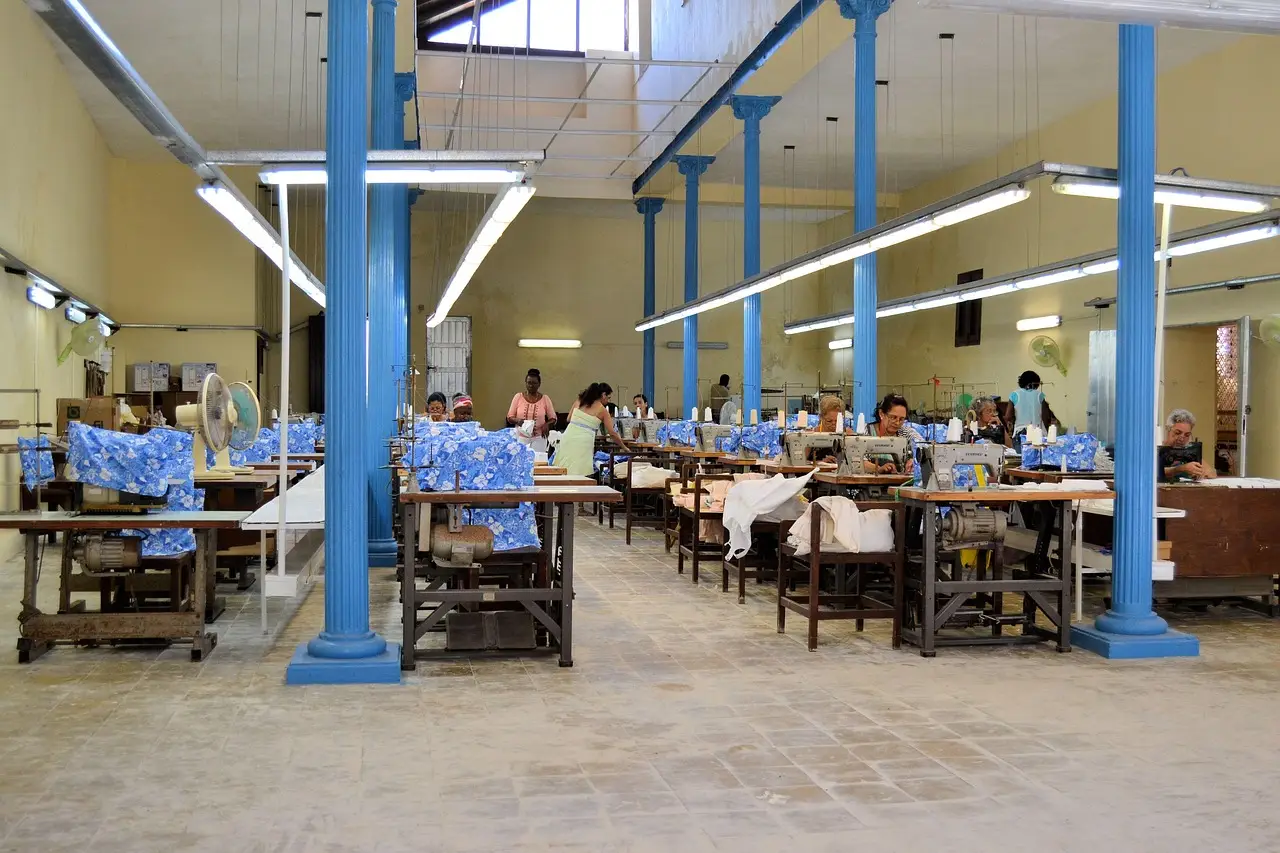
Goods made in the very factory that produces a luxury brand's official line are still counterfeit under South African law if the brand owner never authorised that specific production. That is the verdict implied by the Counterfeit Goods Act, and it cuts through the viral claim — spread on TikTok amid tariff and supply-chain uncertainty — that Chinese factories manufacturing for Western fashion houses can sell those products directly to consumers.
The legal question is not where the factory sits, whether it has a history with the brand, or how convincing the product looks. The test is whether the goods were manufactured using, embodying or sold in association with the brand owner's intellectual property — and whether that conduct infringes the right.
What does the Counterfeit Goods Act actually prohibit?
The Act defines counterfeiting as the manufacturing, producing or making of goods — whether in South Africa or elsewhere — that imitate protected goods, without the authority of the intellectual property right owner, "in such manner and to such a degree" that they become substantially identical copies of the protected goods.
Two consequences follow for practitioners.
- Unlawful activity is not confined to crude imitations from unrelated workshops. The provisions can reach a highly convincing copy produced by a manufacturer who knows the brand's specifications intimately.
- A manufacturer's authority is generally limited by the purchase order, the agreed quantity, quality-control procedures and contractual terms. Permission to make 10,000 units does not, by itself, extend to producing another 500 units for independent sale.
Even a flawless batch made outside the contract counts as counterfeit if the brand owner did not authorise the use of its intellectual property for those specific goods. The overrun is the infringement, not the quality gap.
Where does the 'grey goods' defence come in?
Section 34(2)(d) of the Trade Marks Act 194 of 1993 is often confused with counterfeiting, but it does different work. The section provides that a registered trade mark is not infringed by the importation, distribution or sale in South Africa of goods to which the mark was applied by, or with the consent of, the trade mark proprietor.
This embodies the principle of trade mark exhaustion. Once genuine goods bearing the mark reach the market with the proprietor's consent, later resale does not infringe merely because it happens outside the proprietor's preferred distribution network. A genuine item released abroad may therefore be imported and resold in South Africa as a parallel import, or "grey good". The importer needs no authorisation, but the goods must be genuine in the legal sense: the mark must have been applied by, or with the consent of, the proprietor.
How do the two regimes differ in practice?
The distinction turns on authority at the point of manufacture. The Counterfeit Goods Act targets unauthorised production that unlawfully imitates protected goods. Section 34(2)(d) protects subsequent trade in genuine goods precisely because the proprietor consented to their production. Exhaustion does not legitimise unauthorised manufacture.
A relationship with a factory does not imply consent to every unit it produces. Consent must relate to the application of the mark to the particular goods concerned. Three scenarios illustrate the line:
- A genuine branded jacket sold abroad with the proprietor's consent, then imported by an independent reseller: section 34(2)(d) may protect the resale even though the reseller sits outside the official network.
- A supplier manufactures an off-contract batch and applies the mark without permission: the exhaustion defence fails, and if the goods imitate protected goods to the relevant degree, they are counterfeit goods under the Act.
- An unbranded lookalike made and sold by the brand's own production supplier: this may open other enforcement routes, such as passing off, but it does not automatically make the product counterfeit.
Each dispute ultimately depends on the evidence — the terms of the manufacturing agreement and whether production overruns were permitted. The governing principle, though, is blunt. Being produced in the "same factory" is not sufficient. What matters is whether the trade mark proprietor authorised the production and the application of the mark to the goods in question.
via bizcommunity.com (Source)
More from Olivia Hart
Show full bio
News editor covering regulation, policy and their impact on corporate strategy and chief-executive leadership at CEO Frontier.
458 articles
Adjacent sheets
- ARB upholds consumer complaint, seeks Jetour ad withdrawal
- Africa Made It Targets $34bn GDP Shift From Raw Cotton to Garments
- Vietnam’s $140 Billion U.S. Surplus Shows Little Transshipment Fraud
- Zero Tariffs Lift Tru-Cape's Apple Exports to China by Almost 50%
- 11 Million Garments Later, Imagemakers Bets on Local Manufacturing