Field report W-63 / N5 · sheet /macro
Boardroom MacroFiled from the territory
Progressive Caucus Opposes Major Permitting Reform Bill
Nearly 100 House progressives oppose the BAAJA permitting bill over environmental safeguards and Tribal sovereignty, while 20 other Democrats backed its advance toward a final Senate vote.
- Grid
- W-63 / N5
- Surveyed
- November 17, 2026
- Reading
- 3 min read
- Correspondent
- Priya Raman
Field notes
- The Progressive Caucus represents nearly 100 House members and one senator and opposes BAAJA.
- The bill would overhaul four environmental laws, including the Clean Water Act and Endangered Species Act.
- Twenty other Democrats voted for cloture on Monday evening; 24 Democrats and one Republican voted against advancing.
- About 19 Democratic senators introduced an Adam Schiff-led amendment to remove changes to the National Historic Preservation Act.
By Priya Raman
Nearly 100 House members and one senator in the Congressional Progressive Caucus have formally opposed the Bipartisan American Affordability and Jobs Act, a bipartisan bill designed to speed energy, transmission and other infrastructure approvals nationwide.
The decision raises the House hurdle for a bill that most Republicans in both chambers support. The caucus opposes its overhaul of four bedrock environmental laws: the National Environmental Policy Act, the Clean Water Act, the Endangered Species Act and the National Historic Preservation Act.
Passage would remove public tools for environmental protection and for holding the administration accountable over ICE detention centers and what the caucus calls Trump vanity projects. The group also says the changes would undermine Tribal sovereignty, meaning the authority of tribal governments to govern themselves.
Those objections outweigh a policy gain the caucus acknowledges: BAAJA gives the federal government stronger authority to approve transmission lines, which would accelerate the deployment of clean-energy resources. The trade-off is direct: faster project clearance and more clean-energy buildout against weaker safeguards and reduced accountability.
What has hardened the opposition?
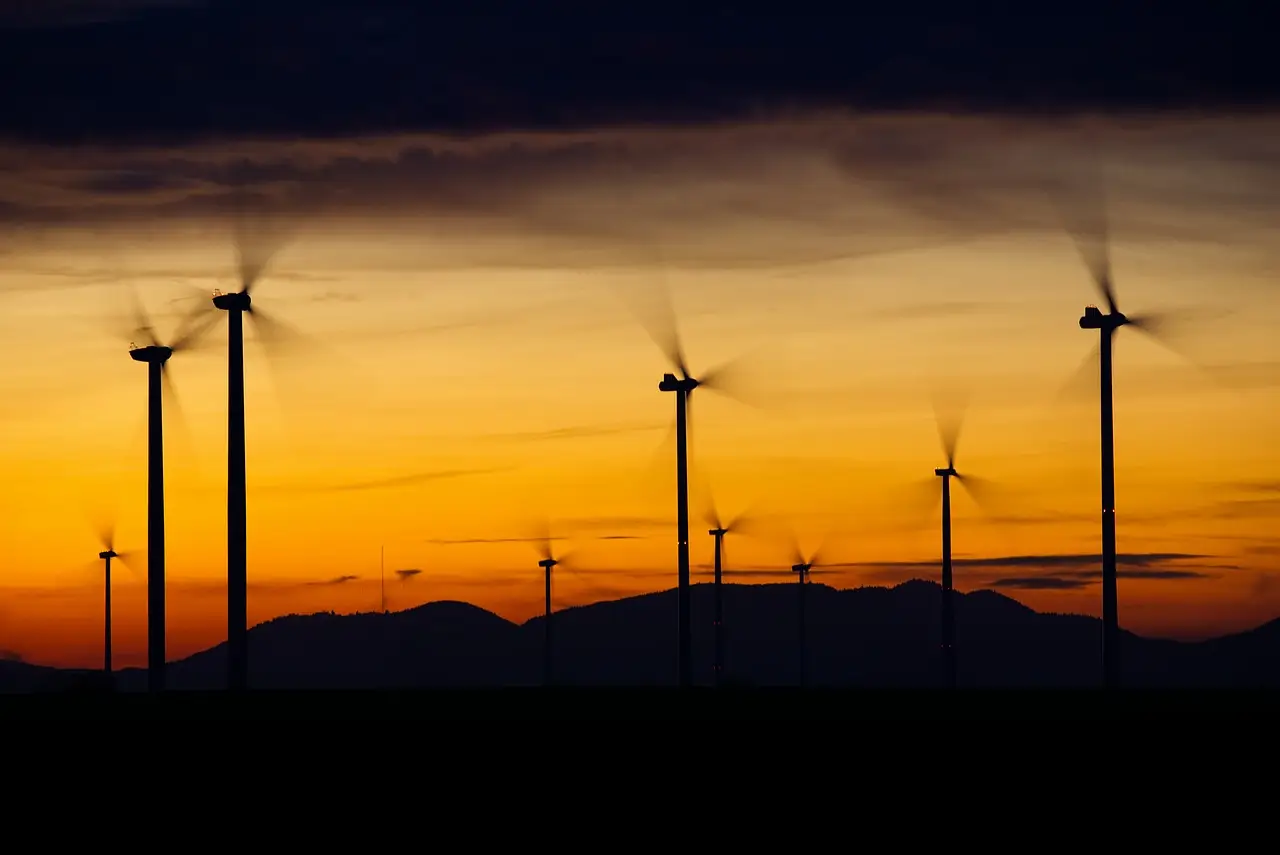
The caucus tied its opposition to what it describes as an informal agreement with President Donald Trump. It expects fair implementation of the permitting reforms and a pledge not to block wind projects, which the group says would end what it calls an illegal blockade on clean energy.
That expectation weakened this week when Trump said he would permit no new wind turbines and dismissed the renewable resource as a losing proposition. The contradiction is strategically material: the transmission authority the caucus supports could accelerate clean-energy deployment, while the president’s wind policy pushes in the opposite direction.
Democratic Leader Jeffries said the legislation “falls short in several areas” and that he “will not rubber-stamp legislation that emerges from the Senate without more constructive involvement with our Caucus” as Democrats try to make life more affordable. The caucus said that position matches its official opposition.
Can Democrats bridge the split?
The party divide is visible in the Senate. Climate and tribal advocates Sens. Sheldon Whitehouse (D-RI) and Martin Heinrich (D-NM) backed BAAJA and helped negotiate both the original text and an amendment released last weekend.
On Monday evening, 20 other Democrats voted for cloture, the procedural step that limits debate and advances a bill toward a final vote. Twenty-four Democrats and one Republican voted against advancing the legislation; several Democrats who supported cloture said they had not committed to final passage.
About 19 Democratic senators have since introduced another amendment that closely tracks the Progressive Caucus’s concerns. Led by Sen. Adam Schiff (D-CA), it would strike BAAJA’s changes to the National Historic Preservation Act, according to Politico.
House arithmetic remains the larger obstacle. Many members want negotiations delayed until the next Congress, when Democrats will have majorities in both chambers. That demand, combined with broad Republican support and a clear split among Democrats, makes BAAJA’s path to passage an uphill battle.
Can the amendment change the math?
The amendment is unlikely to be adopted. Its obstacle is coalition arithmetic.
Heinrich told Punchbowl: “I don’t think we can land the bill with Republicans if we completely strip it out.” The comment explains why stripping the legislation is unlikely to work: Republican votes depend on retaining the permitting changes that Democrats opposed and that Schiff’s amendment would partly reverse.
The alternative is negotiated change rather than full removal. Whitehouse and Heinrich’s involvement in both drafting rounds shows that climate and tribal advocates remain inside the talks, while the roughly 19 Democrats behind the new amendment are testing whether the caucus’s environmental concerns can be addressed without breaking Republican support.
That leaves BAAJA with support from most Republicans, a bloc of Democratic negotiators and a large House caucus seeking a stronger Senate role for Democrats in the bill. The immediate tests are whether the cloture supporters convert to final-passage votes, whether lawmakers negotiate a preservation-law compromise, and whether House members wait for the next Congress.
via washingtonexaminer.com (Source)
More from Priya Raman
Show full bio
Senior reporter covering technology and product news in corporate strategy and chief-executive leadership at CEO Frontier.
450 articles
Adjacent sheets
- Senate Votes 73-25 to Advance Major Permitting Reform Bill
- Senate Advances Permitting Bill 73-25: The 25 Who Voted No
- Senate Republicans Move to Strip Transmission Powers From Permitting Bill
- Interior's Federal Land Sale Plan Draws Rare Bipartisan Revolt
- Trump can fight state data center bans with existing federal law