Field report S-91 / R9 · sheet /expansion
Expansion & MarketsFiled from the territory
Malaysia Vehicle Sales Fall 7% in October as BEV Surge Runs Ahead
October registrations fell 7% to 70,519 units, yet ten-month sales rose 3% to 673,412 on an 86% BEV surge led by Proton. MAA lifted its 2026 forecast to 800,000.
- Grid
- S-91 / R9
- Surveyed
- November 20, 2026
- Reading
- 3 min read
- Correspondent
- Priya Raman
Field notes
- October 2026 vehicle sales fell over 7% year-on-year to 70,519 units (MAA data)
- Ten-month sales rose 3% to 673,412 units; BEV sales surged 86% to 58,130
- Proton global sales jumped 41% to 182,510 units; Perodua fell 5% to 276,042
- MAA raised its 2026 forecast to 800,000 units; GlobalData sees 829,000, falling to 822,000 in 2027
- GDP growth eased to 5.5% in Q3 from 6.0% in Q2
By Priya Raman
Malaysia's new vehicle market shrank by more than 7% year-on-year in October, to 70,519 units from 75,991 a year earlier, according to registration data released by the Malaysian Automotive Association (MAA). It's the first real wobble in an otherwise expanding year. And the wobble looks smaller the closer you look.
What do the October numbers actually say?
The drop is measured against a peak. October last year was the strongest month of 2025 at 75,991 units, so a 7% decline from that base still leaves the market near historically high territory. The month sits inside a ten-month total that keeps climbing.
For January to October 2026, the market grew 3% to 673,412 units, up from 655,327 units in the same period last year. The mix tells the real story:
- Passenger vehicle sales rose 4% to 630,461 units
- Commercial vehicle sales fell 12% to 42,951 units
- Total domestic production increased 2% to 629,623 units, from 617,693 a year earlier
So the passenger side carries the market. The commercial side — trucks, vans, the working end of the fleet — is where demand has clearly thinned out.
Why has the market grown at all?
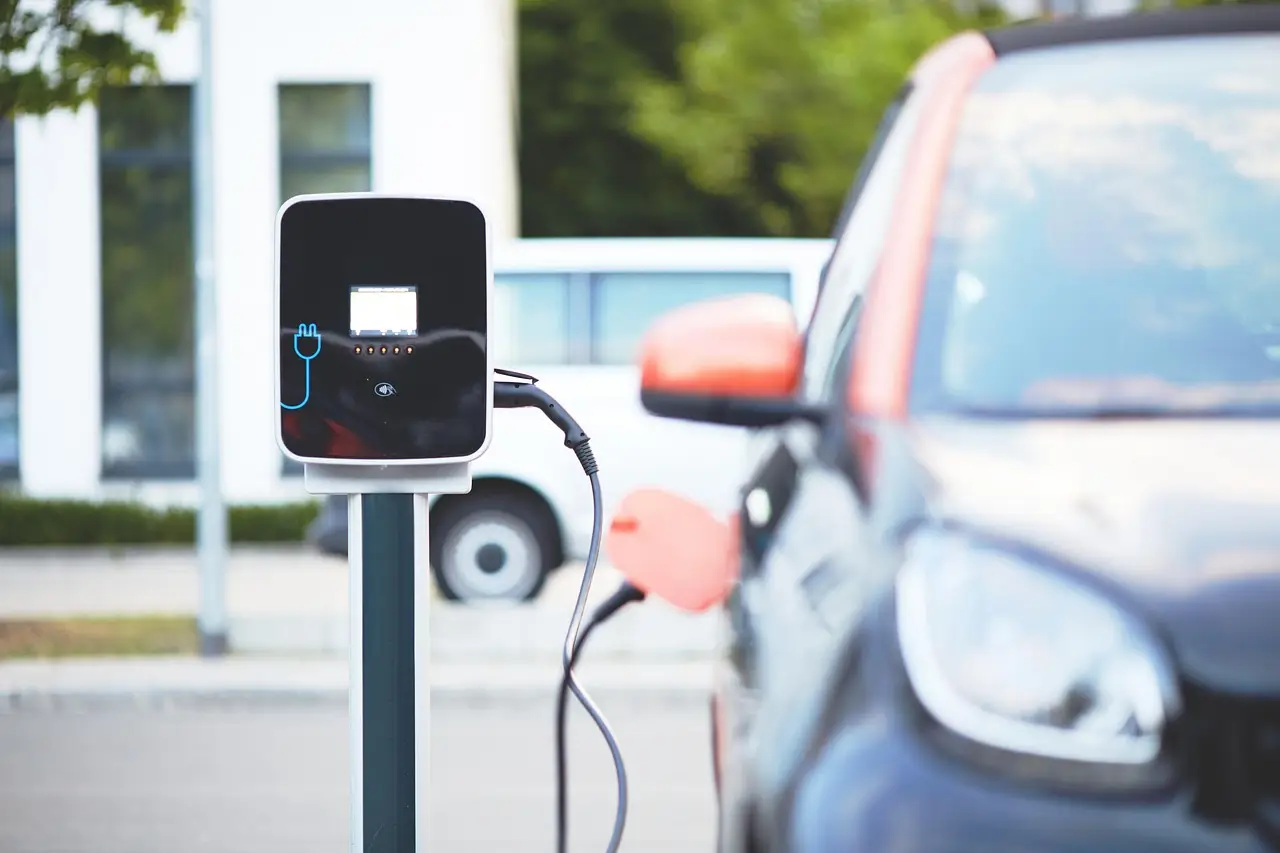
Two engines: battery electric vehicles and the broader economy. BEV sales surged 86% to 58,130 units in the first ten months of 2026, making electrified models the fastest-growing segment by a wide margin. Proton leads that race with 27,675 units, followed by BYD-Denza at 8,905 units and Chery at 4,140 units, including its iCaur brand.
The macro backdrop helps too, though it's softening. Malaysia's GDP growth eased to 5.5% year-on-year in the third quarter, down from a peak of 6.0% in the second quarter, with slower private consumption and government spending the drag. A cooling economy plus a soft October doesn't read like a crisis. It reads like a market catching its breath after running hot.
How are the big brands faring?
Perodua, the market leader, has lost a little ground. Its sales fell almost 5% year-to-date to 276,042 units. The Bezza remains its best seller at 81,200 units, with the Axia next at 67,860 units. The company is fighting back on product: it recently launched the new Traz compact SUV, built on the Toyota Yaris Cross platform, plus its first BEV, the QV-E.
Proton is the outlier of the year. Global sales jumped 41% to 182,510 units in the first ten months, including more than 10,000 units shipped to overseas markets. The Saga dominates its line-up with 75,600 sales, followed by the Geely-based S70 sedan at 23,450 units and the e.Mas 5 BEV at 23,200 units. That last figure matters — an electric model sitting third in a national champion's line-up would have been unthinkable two years ago.
Toyota went the other way. Local sales slipped almost 7% to 95,340 units year-to-date, with the Hilux pickup and the Vios compact sedan holding up the volume.
What happens to the full-year forecast?
The MAA isn't worried. It recently raised its full-year 2026 forecast to 800,000 units, up from its previous 790,000, citing the market's strong performance in earlier months.
GlobalData (an automotive market research firm) is slightly more conservative — and less optimistic about what follows. It forecasts flat light vehicle sales of 829,000 units this year, up marginally from a record 827,000 last year, then a decline to 822,000 units in 2027.
The gap between the two forecasts — 29,000 units — is essentially a bet on whether October's dip was noise or signal. The BEV boom suggests structural demand. The GDP cooldown and shrinking commercial sales suggest a ceiling. Next year will show which force wins.
via just-auto.com (Source)
More from Priya Raman
Show full bio
Senior reporter covering technology and product news in corporate strategy and chief-executive leadership at CEO Frontier.
508 articles
Adjacent sheets
- Vietnam new-vehicle sales fall 24% despite growth outlook
- Chinese Vehicle Sales Fall 9% as Export Surge Masks Domestic Collapse
- Japan Vehicle Sales Fall 3.4% in October as Yearly Growth Stalls
- Indonesia Vehicle Sales Rise 10% in October, Led by Trucks and EVs
- Hyundai Motor India Posts Record 62,799 Units in October 2026