Field report ·
Operations & RestructuringFiled from the territory
Maharashtra Locks Tribal Welfare Aid in Digital Rupee Wallets From 2027
Maharashtra replaces bank transfers with locked digital rupee wallets for tribal aid from 1 April 2027, capping payouts at ₹50,000 per person in PNB e₹ wallets spendable only at registered vendors.
- Surveyed
- November 23, 2026
- Reading
- 4 min read
- Correspondent
- Elena Vasquez
Field notes
- Digital rupee payments replace bank transfers for Nucleus Budget tribal aid from 1 April 2027.
- Sanctions are capped at ₹50,000 per person or ₹7.5 lakh per group, locked in a PNB e₹ wallet.
- Vendors receive 80% after invoice verification and the final 20% after a 10-day objection window.
- Retail CBDC in circulation fell to ₹771.66 crore in FY26 from ₹1,016.5 crore a year earlier.
- At least 5% of individual cases and every group case will be physically inspected.
Maharashtra will pay tribal welfare assistance in the digital rupee from 1 April 2027, replacing direct bank transfers with locked, purpose-bound central bank digital currency under its Nucleus Budget scheme. Guidelines issued by the state Tribal Development Department on 19 November 2026 cap each sanctioned amount at ₹50,000 per person or ₹7.5 lakh per group, held in a Punjab National Bank e₹ wallet. The money can be spent only at registered vendors on approved purchases; it cannot be withdrawn as cash or moved to another account.
The move puts an entire state welfare scheme on programmable CBDC for the first time at this scale, following Reserve Bank of India Governor Sanjay Malhotra's push in October, when he pressed state finance secretaries to adopt programmable CBDC for benefit transfers.
How will the digital rupee payments work?
Beneficiaries first register on the Nucleus Budget portal. Once an application is approved, the sanctioned amount is credited as a locked balance in the beneficiary's digital rupee wallet. Smartphone users will need Punjab National Bank's Digital Rupee app; those without smartphones can pay through an OTP-based facility instead of the app.
The payment and settlement flow is staged:
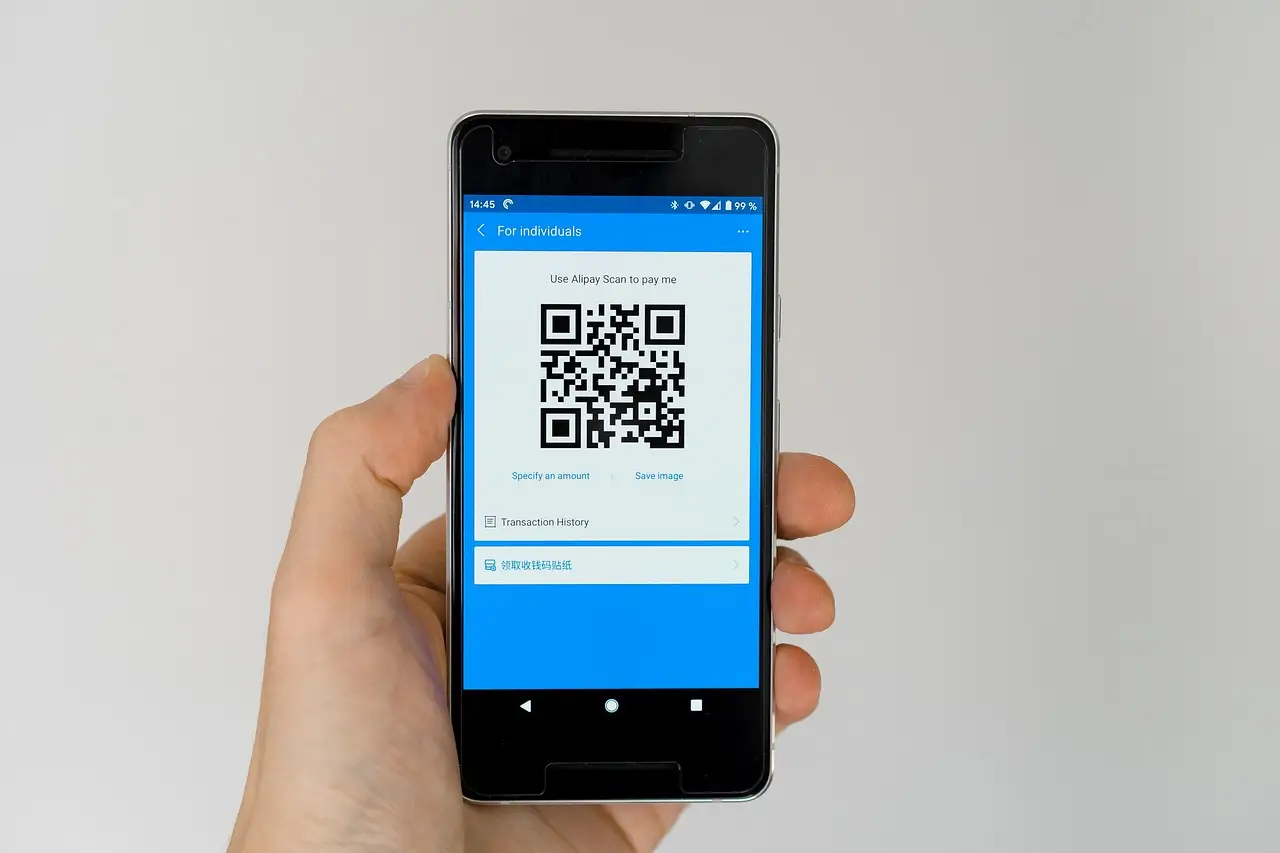
- The beneficiary picks a registered vendor and pays by scanning the vendor's QR code.
- The vendor must upload the purchase invoice and a photo of the beneficiary receiving the goods.
- After verification, 80% of the amount is released to the vendor.
- The remaining 20% is paid after 10 days if neither the beneficiary nor the Tribal Development Inspector raises a written objection.
Where technical problems stop the new system, the current bank transfer route can continue until 31 March 2027 — a fallback window that effectively gives the state a full year to close connectivity gaps.
What does the Nucleus Budget scheme cover?
The Nucleus Budget is a flexible fund for needs of tribal communities that regular schemes do not cover. The revised guidelines fund traditional occupations, farming, self-employment, machinery and the collection, storage and processing of minor forest produce such as mahua, tendu, hirda, behda and honey.
General Scheduled Tribe beneficiaries get an 85% subsidy on livelihood activities and pay the remaining 15% themselves. The state bears the full cost for three categories: Particularly Vulnerable Tribal Groups, Pardhi beneficiaries under the Pardhi package, and women covered by the Rani Durgavati Tribal Women Empowerment Scheme.
Why does programmable CBDC matter for banks?
For banks, the scheme is a large real-world test of purpose-bound money. The Reserve Bank of India's digital rupee FAQ already lists government benefit payments as a use case for programmable CBDC, and lenders have been expanding e₹ features — from Indian Overseas Bank's UPI-interoperable digital rupee app to HDFC Bank's CBDC-enabled SmartGateway for merchants.
Retail adoption, however, has been moving backwards. RBI data shows retail CBDC in circulation fell to ₹771.66 crore in FY26 from ₹1,016.5 crore a year earlier — a decline of roughly 24% in 12 months. A state-run scheme with locked wallets, QR acceptance and staged vendor settlement could give PNB and the e₹ network steady, rule-bound transaction volume. PNB has also been adding new channels, including its next-gen digital banking branch for young customers in Delhi.
What safeguards and concerns surround the rollout?
The department has tightened monitoring. At least 5% of individual cases will be physically inspected at random, every group case will be inspected, and additional commissioners must inspect at least 10% of schemes each year.
Critics are worried about access. Social activist Ulka Mahajan said weak internet connectivity in remote areas could push beneficiaries towards agents and middlemen, as reported by Hindustan Times. The objection is material: OTP-based payments and QR-code transactions both assume a working network, and the 31 March 2027 fallback deadline sets a hard stop for areas where connectivity never arrives.
Details of the scheme are published by the Maharashtra Tribal Development Department.
Key takeaways
- Maharashtra will move Nucleus Budget tribal aid from bank transfers to locked digital rupee wallets from 1 April 2027.
- Funds work only at registered vendors, with 80% paid after verification and 20% after a 10-day objection window.
- The scheme runs on Punjab National Bank's Digital Rupee app, with an OTP option for people without smartphones.
If the model holds, India's largest state-scale experiment in programmable money begins in April 2027.
via bfsi.eletsonline.com (Source)
More from Elena Vasquez
Show full bio
Staff writer covering companies, deals and strategy in corporate strategy and chief-executive leadership at CEO Frontier.
631 articles
Adjacent sheets
- IOB Launches UPI-Interoperable Digital Rupee App for Retail CBDC
- RBI consolidates domestic cash transfer rules with immediate effect
- RBI to Open Government Bond Trading on Broker Apps From 2027
- ₹25 lakh cap forces large fintech transfers onto bank rails
- India's UPI Processes ₹314 Lakh Crore — and Sets the Bar for Crypto