Field report W-15 / M7 · sheet /expansion
Expansion & MarketsFiled from the territory
India's UPI Processes ₹314 Lakh Crore — and Sets the Bar for Crypto
UPI processed ₹314 lakh crore across 24,161.69 crore transactions in 2025-26, up 30% year-on-year. Blockchain payment networks face three hard lessons from India's model.
- Grid
- W-15 / M7
- Surveyed
- November 13, 2026
- Reading
- 3 min read
- Correspondent
- Olivia Hart
Field notes
- UPI processed about 24,161.69 crore transactions worth ₹314 lakh crore in the 2025-26 financial year, per India's Ministry of Finance.
- Transaction volume grew 30% year-on-year.
- UPI had onboarded 55.49 crore users as of June 2026.
- Cross-border transfers and international business settlements are identified as the most promising blockchain payment use cases.
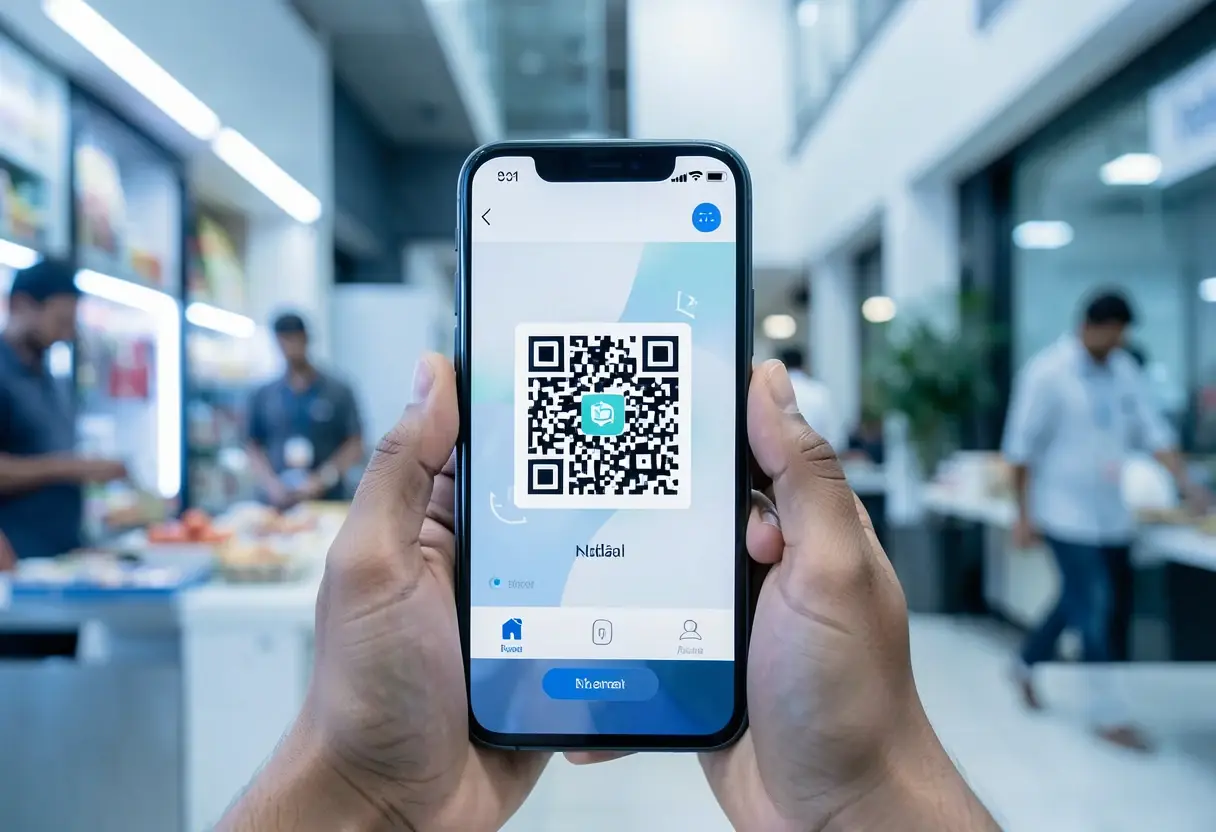
India's Unified Payments Interface processed roughly 24,161.69 crore transactions worth ₹314 lakh crore in the 2025-26 financial year, a 30% year-on-year jump in volume. The Ministry of Finance figures show what scale looks like when payment technology becomes ordinary, and they carry a direct message for blockchain builders: technology transforms existing systems only when people can afford it, rely on it and use it without effort.
Crypto traders routinely check the USDT to INR price and every other digital asset pair against fiat currencies on exchanges such as Binance. Those price movements, whatever their direction, will never drive wider adoption. Everyday crypto payments require clear rules, accessible infrastructure and a payment experience that users trust above all. Cryptocurrency is not there yet — but UPI's example offers a shortcut.
How did UPI change everyday payments?
UPI works as a shared bridging infrastructure across participating banks. Merchants and consumers transfer funds instantly, and anyone using a participating banking application escapes the tangle of incompatible payment systems.
The growth did not happen overnight and does not rest on a single factor. It combines widespread bank participation, expanding technical infrastructure and plain everyday usability. People split bills, send money and pay for groceries without ever understanding the payment rails underneath.
That last point matters most for blockchain developers. Consumers rarely choose a payment method because the underlying architecture impresses them or because they understand it. They choose it because it solves a problem quickly, with minimal friction, predictably, every time.
What should blockchain payments copy?
UPI is interoperable, practical and accessible — designed around user needs rather than a display of technical muscle. Three lessons stand out for blockchain payment systems:
- Simplify the transaction. UPI users never type long bank account strings for each payment. Blockchain systems need an equally simple way to identify and select wallet addresses and enter payment instructions — without giving up security.
- Guarantee interoperability. UPI links payment apps and banks through shared standards. Blockchain networks must stop fragmenting users across wallets and chains that each demand different rules.
- Design for daily use. UPI won users through person-to-person transfers and payments to ordinary merchants. Blockchain systems that prove themselves on everyday payments stand a far better chance of wide adoption.
Technical advances in blockchain may help push crypto toward the mainstream. But infrastructure and product design will likely matter as much, if not more, than the technology itself.
Can blockchain follow UPI's path?
Probably not by imitation. Fast, convenient domestic rupee payments are a problem UPI has already solved, particularly in India. Any blockchain alternative must find a new payment problem rather than re-solve a settled one.
The most promising territory sits in international business settlements, cross-border transfers and payments between organisations operating on different financial networks. There, the rails remain genuinely slow and fragmented.
The user base tells its own story. As of June 2026, UPI had onboarded 55.49 crore users — proof that a single application does not make a payment system succeed; the ecosystem does. UPI works because banks, consumers, merchants and payment providers all embraced the same network. Any blockchain payment system aiming for that scale would need the same breadth of cooperation among stakeholders, and that alignment, not price action on Binance, is what turns a payment technology into infrastructure people actually live inside.
via bfsi.eletsonline.com (Source)
More from Olivia Hart
Show full bio
News editor covering regulation, policy and their impact on corporate strategy and chief-executive leadership at CEO Frontier.
207 articles
Adjacent sheets
- CBN Orders Payment Data Stored in Nigeria From January 2027
- 86.5% Banked, 6.6% Shopping Online: Nigeria's Digital Reality Check
- Binance's new CFO inherits a $6.3 billion security test
- Nigeria Targets $100 Billion Annual Diaspora Investment Flows
- MARA Holdings Sells 30% of Bitcoin Reserve and Unlocks 18,000 BTC