Field report S-17 / N5 · sheet /expansion
Expansion & MarketsFiled from the territory
Grindrod rail test marks private-operator breakthrough
Grindrod’s 2,991-tonne North-East Corridor trial made it the first private operator on the national freight network under the new framework. Planned 2027 services target 288,000 tonnes.
- Grid
- S-17 / N5
- Surveyed
- November 12, 2026
- Reading
- 4 min read
- Correspondent
- Priya Raman
Field notes
- Grindrod ran 2,991 tonnes on the North-East Corridor on 2 November under the new open-access framework.
- The run made Grindrod the first private train operating company on the national freight network under the framework.
- Commercial services planned for 2027 are expected to move about 288,000 tonnes in the first year.
- Rail freight volume rose from 149.5 million tonnes in 2022/23 to 167.9 million in 2025/26, up 12.3%.
- State of Logistics estimated rail underperformance’s 2025 economic impact at R180.8bn.
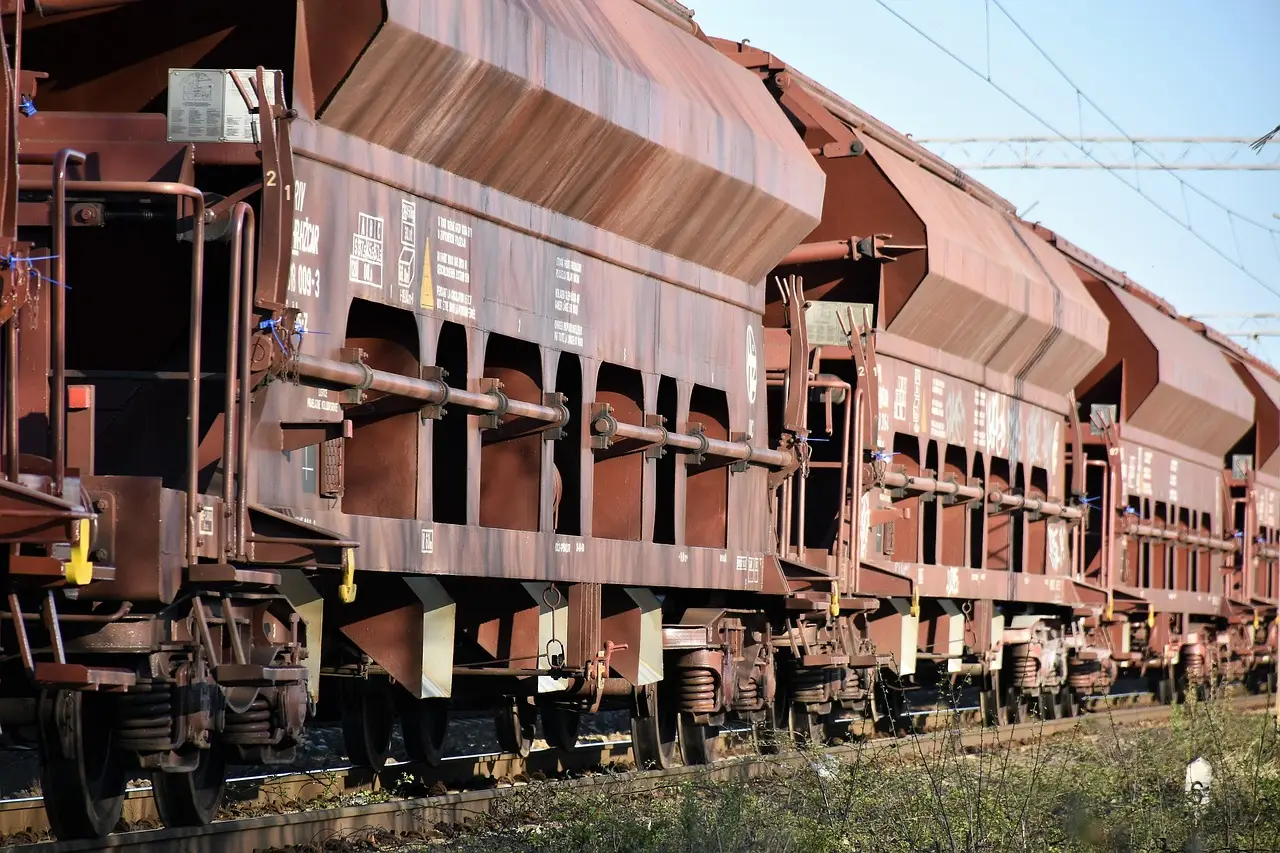
The 2 November freight test carried 2,991 tonnes on the North-East Corridor, making Grindrod the first private train operating company to run on South Africa’s national freight network under the new open-access framework. That is the hard operational result; commercial proof starts with the services planned for 2027.
The distinction matters because SAAFF, which congratulated Grindrod, Transnet Rail Infrastructure Manager (TRIM) and the Department of Transport, treats the test as evidence of readiness, not a substitute for consistent delivery. The industry body expects commercial services in 2027 to move about 288,000 tonnes in the first year.
“We need more of this!” SAAFF said in its congratulatory statement, framing the trial as an example of government, business and operating teams building solutions together. The mechanism is straightforward: open access must produce a dependable service, not merely a one-off path onto the network.
What does the test change?
Grindrod’s run also creates a working model involving Grindrod, TRIM, the department and the teams that executed the test. SAAFF expects the operational progress to improve costs, capacity and cargo flows. It also warns that lasting value depends on consistent commercial delivery after the trial.
Rail’s central economic problem is the gap between the capacity the network was designed to carry and the lower capacity it has demonstrated. SAAFF says that gap must narrow progressively and eventually close. Better use of existing infrastructure, the body argues, can strengthen the case for further investment, sustainability and economic growth.
Capacity depends on more than track. SAAFF lists locomotives, wagons, signalling, maintenance, safe and secure operations and dependable terminals as the necessary system. New operators can add equipment, investment and expertise to optimise the network’s design capacity, while rail access agreements must deliver freight on time and in full.
The numbers show why reliability matters. The SAAFF Cargo Movement Update of 25 October, citing State of Logistics™ (SoL), reports rail freight volume rising from 149.5 million tonnes in 2022/23 to 167.9 million tonnes in 2025/26. That added 18.4 million tonnes, or 12.3%.
Yet SoL estimates the economic impact of rail underperformance in 2025 at R180.8bn: R92.4bn in transport inefficiencies and R88.4bn in foregone bulk mineral exports. For SAAFF, sustaining volume growth requires reliable general freight services and the removal or reduction of avoidable supply-chain costs.
Recovery will not count as durable, the industry body says, unless it combines volume growth with greater efficiency, broader participation and benefits that reach more cargo owners. Grindrod’s entry matters because the framework now has a private operator participating in the work of improving capacity, reliability and wider participation.
Where does rail fit in the wider logistics chain?
Rail also needs a defined role within a synchromodal logistics network, meaning road, rail, ports and inland terminals work in coordination. SAAFF says the chosen mode should match the load, the speed and reliability required, and the distance involved. The objective is the lowest practical total economic cost.
For large, predictable loads over longer distances, reliable rail can be cost-effective. Road supplies reach and flexibility, including collection and final delivery, while ports and terminals connect freight with regional and international markets. The commercial choice depends on performance across that whole chain.
According to SAAFF, a dependable end-to-end journey requires:
- competitive rail service;
- efficient loading and predictable connections;
- timely border processes;
- adequate terminal capacity; and
- safety and security throughout.
That chain determines what customers can promise. SAAFF says businesses plan production, inventories and contractual commitments around whole-chain performance. For freight forwarders, Grindrod’s participation offers more transport choices and a better way to tailor services to customer needs and market expectations.
What must happen next?
The next phase must turn access into routine. SAAFF calls for infrastructure maintenance, workable access arrangements, coordination between terminals and borders, and transparent measurement of service performance. These are operating requirements: without them, private entry cannot deliver the expected capacity and cost gains.
Business support should rest on evidence, consultation and sustained practical engagement across the logistics system. “Shared infrastructure equals shared responsibility,” SAAFF says, must apply at every step rather than only during a crisis. That principle assigns maintenance and coordination duties across the chain before disruption exposes them.
DGT’s continuing vessel backlog shows SAAFF’s point: a failure at one node can spread delay and cost through the supply chain. The association says its members and their customers feel delays anywhere in the chain quickly, affecting costs and delivery commitments in South Africa and international markets.
Coordinated operations create the opposite result. SAAFF says a system that works efficiently and as planned produces cost advantages for every participant. Grindrod’s test has established operational readiness; its planned first-year volume of about 288,000 tonnes must now convert that opening into reliable, repeatable trade.
via bizcommunity.com (Source)
More from Priya Raman
Show full bio
Senior reporter covering technology and product news in corporate strategy and chief-executive leadership at CEO Frontier.
212 articles
Adjacent sheets
- Nigeria Customs Reports N1.42trn Revenue, 99,839 Declarations
- Air cargo offers South Africa a hedge against trade disruption
- MTN service revenue rises 16.6% as Nigeria recovery emerges
- Nigeria Grants Pharma Manufacturers N24bn in Tax Waivers
- LCCI Names Dangote Nigeria's Industrial Benchmark, Presses Government on Power