Field report N-87 / M4 · sheet /expansion
Expansion & MarketsFiled from the territory
Finland Opens Tendering for Four Offshore Wind Zones
Finland has designated four sea areas for offshore wind and will tender the southern Perämeri zone first, targeting two gigawatts of capacity by 2040 as demand climbs.
- Grid
- N-87 / M4
- Surveyed
- November 11, 2026
- Reading
- 3 min read
- Correspondent
- Amara Osei
Field notes
- Finland designated four offshore wind areas: two in Selkämeri, two in Perämeri; southern Perämeri is tendered first.
- Fingrid projects electricity consumption rising from about 85 TWh to 138–267 TWh by 2040.
- The state targets two gigawatts of economic-zone offshore wind capacity by 2040, equal to roughly 3–7 percent of estimated 2040 consumption.
- The first tender zone, Perämeri south, lies approximately 30 kilometers from the coast.
- Winning developers gain exclusive rights under the Economic Zone Offshore Wind Power Act and the EU License Agreement Directive.
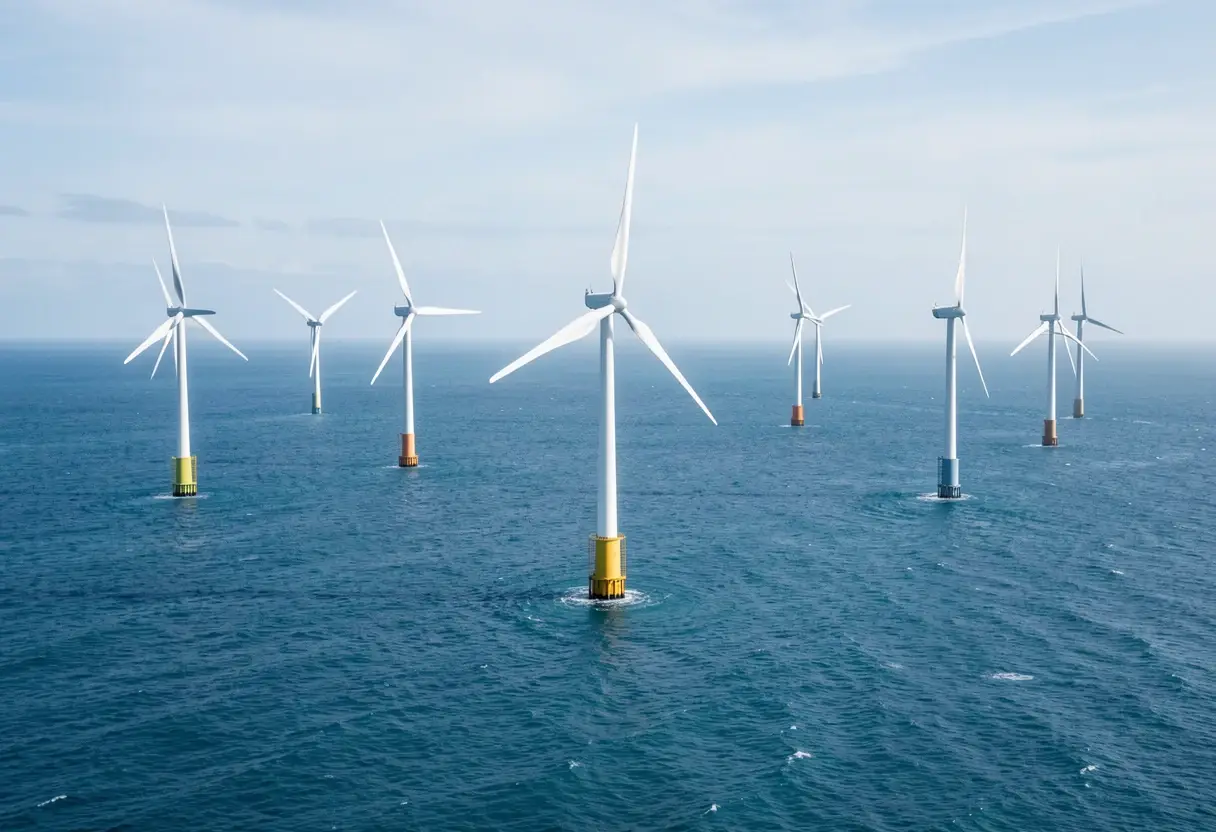
Finland has designated four new sea areas in its economic zone for offshore wind power production, and the Energy Agency will open the first competitive tender for the southern Perämeri zone. The remaining three areas will follow later.
Two of the designated areas sit in the Selkämeri and two in the Perämeri. The tenders will select a project developer for each zone, who can then be granted a utilization permit — an exclusive right to harness wind energy in the area, conduct detailed investigations, and apply for further permits. The procedure follows the Economic Zone Offshore Wind Power Act and the European Union's License Agreement Directive.
Why is the state acting now?
Electricity consumption in Finland is projected to grow strongly, driven above all by industrial electrification and data center investments. Grid operator Fingrid estimates consumption could rise from roughly 85 terawatt hours today to between 138 and 267 terawatt hours by 2040.
Against that curve, the state aims to enable two gigawatts of offshore wind capacity in the economic zone by 2040. According to the Energy Agency, that capacity would generate annually an amount of electricity corresponding to approximately 3 to 7 percent of Fingrid's estimated 2040 consumption.
What does the permit guarantee?
A designation alone does not produce steel in the water. The permit structure is designed to force progress rather than land banking.
"The project developer needs assurance of his exclusive right to utilize the area's wind energy. The state must accordingly ensure that the project is promoted and not just reserved for the future," Energy Agency lawyer Ella Kainulainen said.
The selected developer carries responsibility for the detailed studies required before construction. These include seabed conditions, technical solutions for installing the turbines, and the project's effects on marine nature.
"Studies play a part in determining where power plants can be placed, what kind of foundations they require and how much construction costs," said Roland Magnusson, tender expert at the Energy Agency.
Will the projects actually get built?
Not automatically. New offshore production would increase electricity supply and curb price rises, but the price effect also depends on how demand develops.
"Designating an area for offshore wind power use does not yet guarantee production. If there is not sufficient demand for electricity, production will not be built," Magnusson said.
The economics cut both ways. Offshore wind costs more per unit than onshore wind, Magnusson noted, but each power station produces more, and output is distributed more evenly across the year. Profitability hinges on construction costs, electricity transmission costs and the market price of electricity.
How does distance shape the outcome?
Geography sets the trade-off. Power plants farther from population centers cause fewer landscape and noise problems, but longer transmission connections raise costs.
The first zone to be tendered, Perämeri south, sits roughly 30 kilometers from the coast. That distance will weigh on both the permitting risk and the grid connection bill facing the winning developer.
The tender calendar for the remaining three zones has not yet been set, the Energy Agency said.
via observatorial.com (Source)
More from Amara Osei
Show full bio
Market editor covering people, launches and day-to-day practice in corporate strategy and chief-executive leadership at CEO Frontier.
231 articles
Adjacent sheets
- Nigeria Backs $2 Billion East–West Super Grid With 19,000MW Target
- Data Center Gas Plants Could Add 10% to US Power Emissions
- Think Tank Tells Burnham: Trade North Sea Oil at EU Reset Talks
- Nigerian Manufacturers Spend Nearly Half of Budgets on Power
- LCCI forwards six-point proposal on power and business costs