Field report E-91 / K8 · sheet /operations
Operations & RestructuringFiled from the territory
FAA’s $12.5 Billion Modernization Push Meets an Outage Test
The FAA has allocated $12.5 billion for air traffic modernization, including more than 600 new radars, but a November 13 nationwide outage exposed the limits of legacy infrastructure.
- Grid
- E-91 / K8
- Surveyed
- November 16, 2026
- Reading
- 4 min read
- Correspondent
- Amara Osei
Field notes
- $12.5 billion has been allocated to FAA air traffic control modernization.
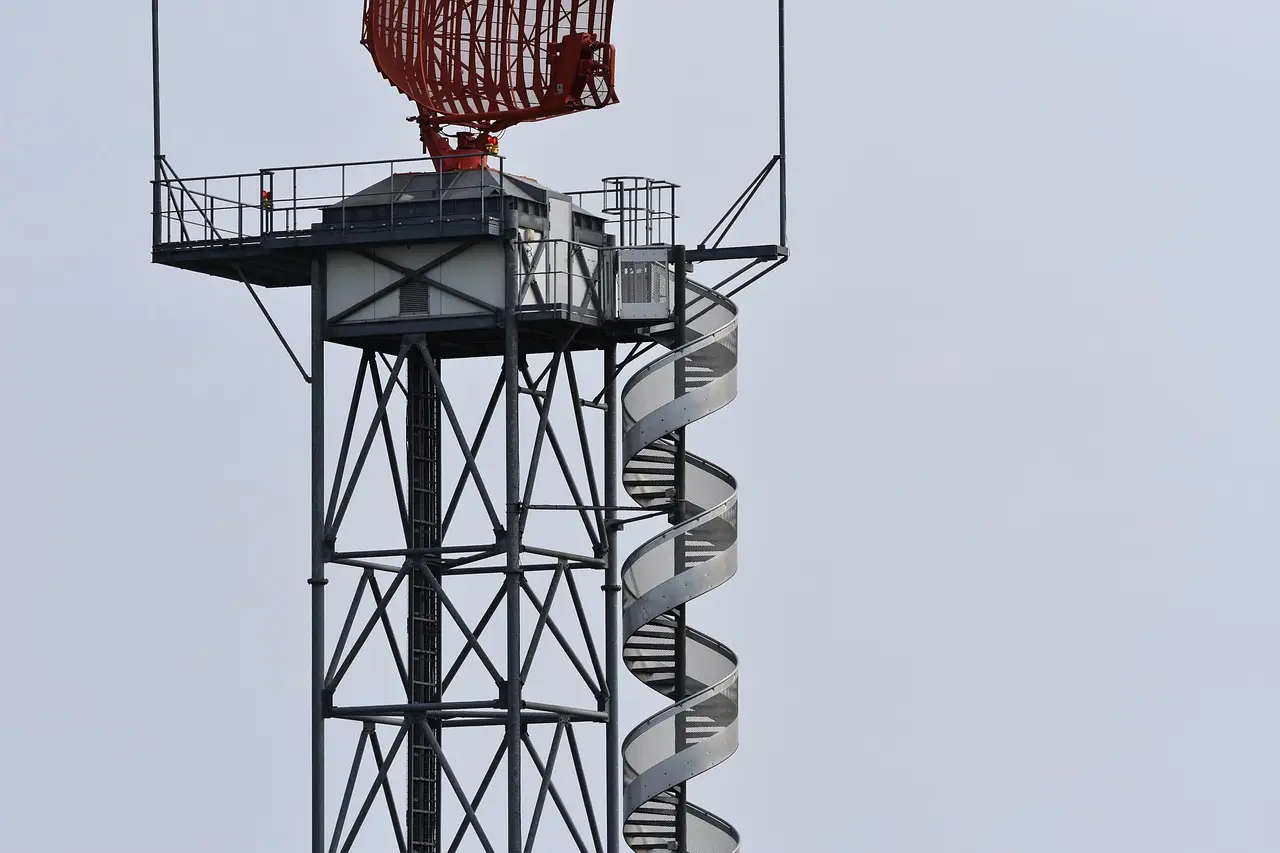
- The initial program includes more than 600 new radars and communications-infrastructure upgrades.
- A November 13 telecommunications failure triggered a nationwide ground stop; operations resumed that evening.
- The FAA’s November 15 explanation cited excessive network traffic destabilizing legacy equipment.
- At the November 9-10 AUVSI symposium, McIntosh advocated safe airspace access and type-specific counter-UAS assessments.
By Amara Osei
The FAA’s $12.5 billion air-traffic modernization allocation is a down payment, not a completed system, according to Franklin McIntosh, chief operating officer of the FAA Air Traffic Organization. The program now faces a national reliability test after a November 13 outage disrupted aircraft communications and radar feeds across the United States.
At the November 9-10 AUVSI Drone and AAM Policy Symposium at Nationals Park in Washington, DC, McIntosh discussed infrastructure with Amazon Prime Air’s Matt McCardle, director of Global Regulatory. Their session examined how the FAA can replace aging equipment while preparing for drones and advanced air mobility (AAM) aircraft.
What did the November 13 outage expose?
McIntosh said future spending must move beyond equipment replacement toward a flexible operating platform. On November 13, the FAA issued a nationwide ground stop, meaning a halt to aircraft operations, after a telecommunications failure disrupted aircraft communications and radar feeds. The agency restored air traffic operations that evening.
The FAA’s November 15 explanation said excessive network traffic destabilized legacy equipment. The failure renewed attention to reliable, modern infrastructure. That renewed focus reinforced McIntosh’s November 9-10 argument that modernization must deliver reliability before supporting new services.
Where is the $12.5 billion going?
McIntosh said the allocated funds would support system reliability through more than 600 new radars and improvements to communications infrastructure. He described those purchases as the initial phase of a broader platform, not the endpoint of modernization.
A reliable version of the current air traffic system would not necessarily provide every capability required for widespread drone delivery, AAM operations and other emerging uses. McIntosh’s position links capital spending to regulatory design: new technology requires new procedures for evaluating how aircraft share controlled airspace.
How will new aircraft share controlled airspace?
“Everyone has the right to the airspace,” McIntosh said. He argued that regulators should treat drones as aircraft and remote pilots as pilots, placing commercial operators on the same access footing as other airspace users.
McCardle said commercial drone delivery has moved beyond theory and is expanding. As those flights grow, he said, regulators and operators must establish how different aircraft types can occupy the same airspace without compromising safety.
McIntosh said the FAA should begin with a presumption of safe access rather than restriction. The agency must find ways to “get to yes safely,” he said, while preserving safe and fair access for every airspace user. That approach would require changes to operating procedures and to the tests regulators apply to emerging technologies.
Why does data sharing matter?
McCardle urged two-way information exchange between regulators and operators as new aviation services develop. He said operational information has value as those services enter the market.
McIntosh cited North Dakota’s VANTIS network as an example of shared data that can help the FAA understand and evaluate new operations. He also acknowledged concerns about how authorities might use shared information and said future systems must adapt to changing operational requirements.
Industry participation remains necessary because, McIntosh said, the FAA does not possess every solution. Operators can identify practical methods for integrating new aircraft and services into the national airspace, he told the AUVSI session.
How will counter-drone systems fit?
The FAA must assess proposed counter-uncrewed aircraft systems (counter-UAS) to ensure that security technology does not interfere with legitimate aviation operations, McIntosh said. He said the agency is developing safety risk assessments tailored to counter-UAS technology types.
McIntosh said type-specific safety risk assessments could streamline future authorizations for airports and other facilities seeking appropriate security systems. The FAA must still protect surrounding traffic while allowing counter-UAS deployments, he said.
What must the modernization program deliver?
McIntosh tied the $12.5 billion program to a dual requirement: preserve safe and reliable operations for existing aircraft while developing technology, procedures and partnerships for new users. The November 13 outage showed the operational cost of delayed infrastructure renewal, while the November 9-10 symposium set the strategic agenda.
For drone operators and AAM businesses, equipment procurement alone will not determine market access. The FAA’s next decisions on data sharing, operating rules, risk assessments and counter-UAS authorizations will shape whether new services can operate at scale within national airspace.
via dronelife.com (Source)
More from Amara Osei
Show full bio
Market editor covering people, launches and day-to-day practice in corporate strategy and chief-executive leadership at CEO Frontier.
452 articles
Adjacent sheets
- United's Kirby Turns Nationwide Ground Stop Into ATC Funding Push
- Duffy Demands $50 Billion From Congress After FAA Ground Stop
- FAA Halts Juniper Router Rollout After Nationwide Ground Stop
- FAA Pulls New Routers, Reverts to 25-Year-Old Cisco Gear After Ground Stop
- Aged Analog Tech, Not AI, Grounded America's Flights