Field report ·
Corporate StrategyFiled from the territory
Energy Flexibility Becomes the Competitive Divide for Fleets
Vontier CEO Mark Morelli says energy has moved from line item to competitive variable. FedEx runs 9,500 EVs; 19% of North American fleets are electric as oil swings test single-fuel operators.
- Surveyed
- November 22, 2026
- Reading
- 4 min read
- Correspondent
- Amara Osei
Field notes
- Oil swung from $118 to under $72 and back above $100 a barrel within a single year.
- FedEx operates nearly 9,500 electric vehicles per SEC filings, with renewable diesel tests for long-haul routes.
- 19% of North American fleets run EVs and 30% run hybrid or alternative-fuel vehicles, per Fleetio's 2026 report.
- Electricity demand is rising more than twice as fast as overall energy use, according to the IEA.
Oil prices swung from $118 a barrel to under $72 and back above $100 in a single year, and that volatility is now the deciding factor in whether energy-intensive businesses can grow, according to Vontier CEO Mark Morelli. Electricity demand is rising more than twice as fast as overall energy use, the International Energy Agency reports in its Global Energy Review, while war, tariffs and shifting fuel-economy rules in Washington compound the pressure on supply and cost.
For trucking fleets, manufacturers and fuel retailers, energy has spent two decades as a line item. Morelli argues it is now a competitive variable: whether a business can secure the energy it needs, and afford it, increasingly determines whether it can expand at all.
Who is already running on more than one fuel?
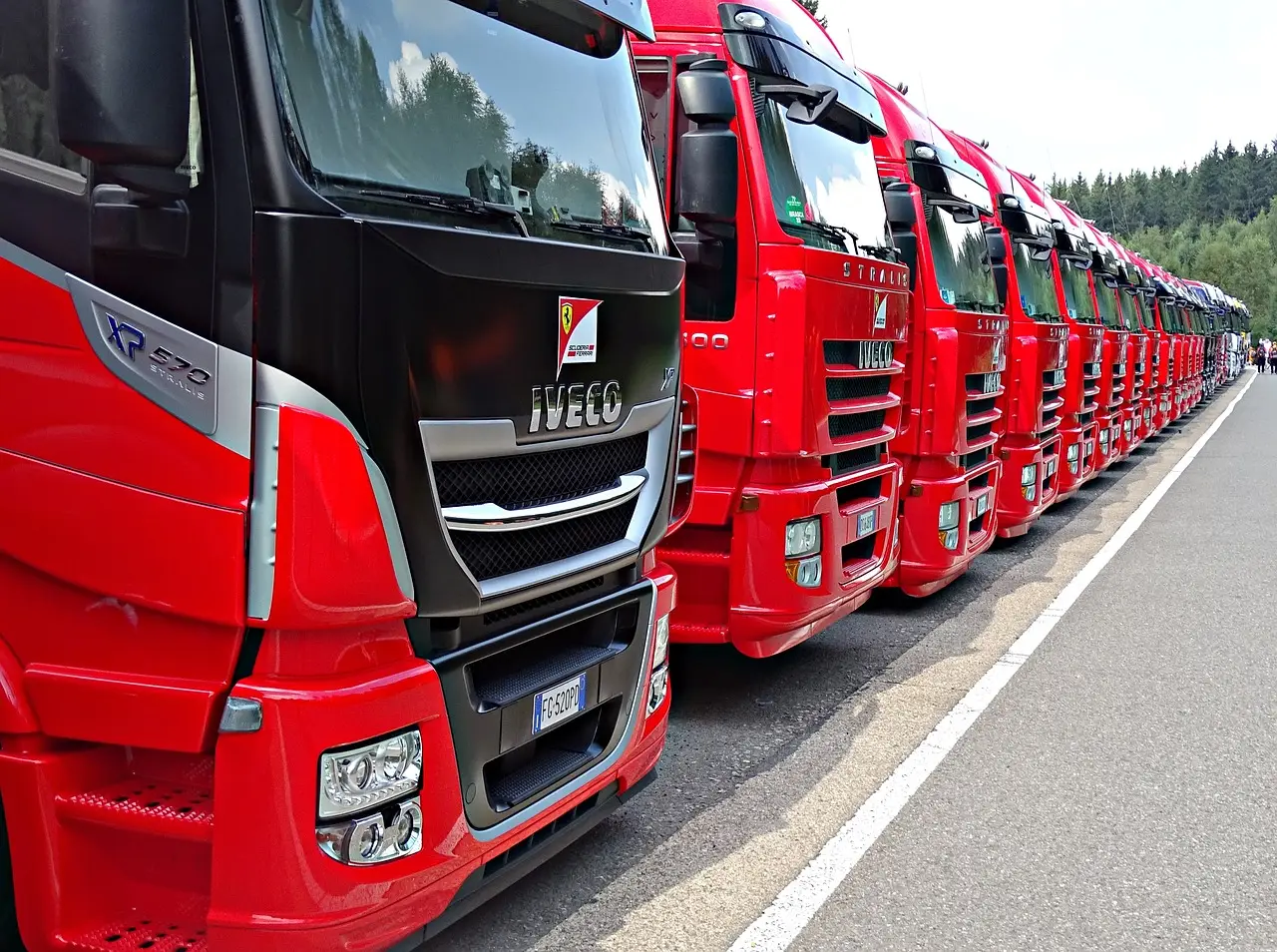
FedEx now operates nearly 9,500 electric vehicles, according to its filings with the U.S. Securities and Exchange Commission, while testing renewable diesel for long-haul trucks where, as the company states, "full electrification is not yet feasible at scale." The carrier is not an outlier. Roughly 19% of North American fleets now operate electric vehicles, and 30% run hybrid or alternative-fuel vehicles, according to Fleetio's State of Fleet Management 2026 report.
Morelli writes that nearly every fleet and fuel-retail operator he speaks with is wrestling with the choice between electric, diesel or natural gas. His conclusion: energy markets are moving too fast and too unevenly for anyone to call a single winner. The operators pulling ahead have stopped choosing one source and instead built the capability to run on several, deciding in real time which to use, where and when.
Where is flexibility worth paying for?
Optionality carries costs. A second energy source means added infrastructure, more complex procurement and, often, some loss of efficiency, Morelli notes. No business can hedge everything, so the discipline lies in deciding where redundancy pays.
The most resilient operators apply two questions to every site, route and asset, according to Morelli:
- If this energy source were disrupted tomorrow, how much revenue would stop?
- How exposed is it to a single fuel, supplier or grid connection?
Where both answers are high, redundancy is insurance worth buying now. A delivery depot that charges its entire fleet from one utility feed cannot run routes when that feed goes down. Where impact is high but exposure is modest, flexible supply contracts may suffice, rather than long-term agreements locking in a single source. Where impact is low, operators should optimize for cost and move on.
Why is software harder than hardware?
Adding EV (electric vehicle) chargers to a forecourt or alternative-fuel trucks to a fleet is now easy, Morelli writes. Running them together is not. A mixed-energy operation creates decisions a single-fuel business never faced:
- Which vehicle takes which route, given its charge level and the day's energy prices?
- When should a depot charge equipment to avoid peak demand costs?
- How do managers compare cost per mile across diesel, natural gas and electric when the data lives in separate systems?
The advantage goes to businesses that can see their entire energy picture in one place and act on it. In a volatile market, Morelli argues, the ability to switch is only as valuable as the ability to know when to switch.
What three moves does Vontier's CEO recommend?
Morelli, who leads Vontier, lays out three moves for leaders of fleet, fuel-retail and other energy-intensive businesses:
- Map your 24-hour exposure. Identify the sites, routes and assets that would stop generating revenue within a day of losing their primary energy source.
- Put a price on flexibility. Capital cases that compare only cost per gallon or per kilowatt-hour miss the value of being able to switch; make the cost of downtime an explicit line in every energy investment.
- Instrument before you diversify. Bring fuel, charging, payments and fleet data into a single view before adding the next energy source.
Energy is not going to become more predictable, Morelli concludes. Leaders who build for adaptability will succeed whichever way prices move. His closing question to executives: if your primary energy source were disrupted tomorrow, how quickly could your business respond?
via fastcompany.com/rss (Source)
More from Amara Osei
Show full bio
Market editor covering people, launches and day-to-day practice in corporate strategy and chief-executive leadership at CEO Frontier.
552 articles