Field report ·
Expansion & MarketsFiled from the territory
Dutch Court Bans BYD Ti7 Across EU Over Defender Design Copy
The Hague court's November 20 injunction blocks ten BYD entities from importing, making or selling the Ti7 in the EU, with €10 million penalties for breach. JLR must file substantive claims within six months.
- Surveyed
- November 22, 2026
- Reading
- 4 min read
- Correspondent
- Priya Raman
Field notes
- Hague District Court issued the EU-wide preliminary injunction against BYD on November 20, 2026, with penalties up to €10 million
- The injunction covers ten BYD entities but not the UK, where Ti7 deliveries are planned from January 2027
- JLR must start substantive proceedings within six months to keep the interim protection alive; BYD will appeal
- Defender sales exceeded 100,000 units worldwide in 2025; BYD's European sales topped 280,000 in January–September 2026
- The reported UK Ti7 spec: 300 kW plug-in hybrid, 35.6 kWh battery, 119 km electric range, £47,995 price
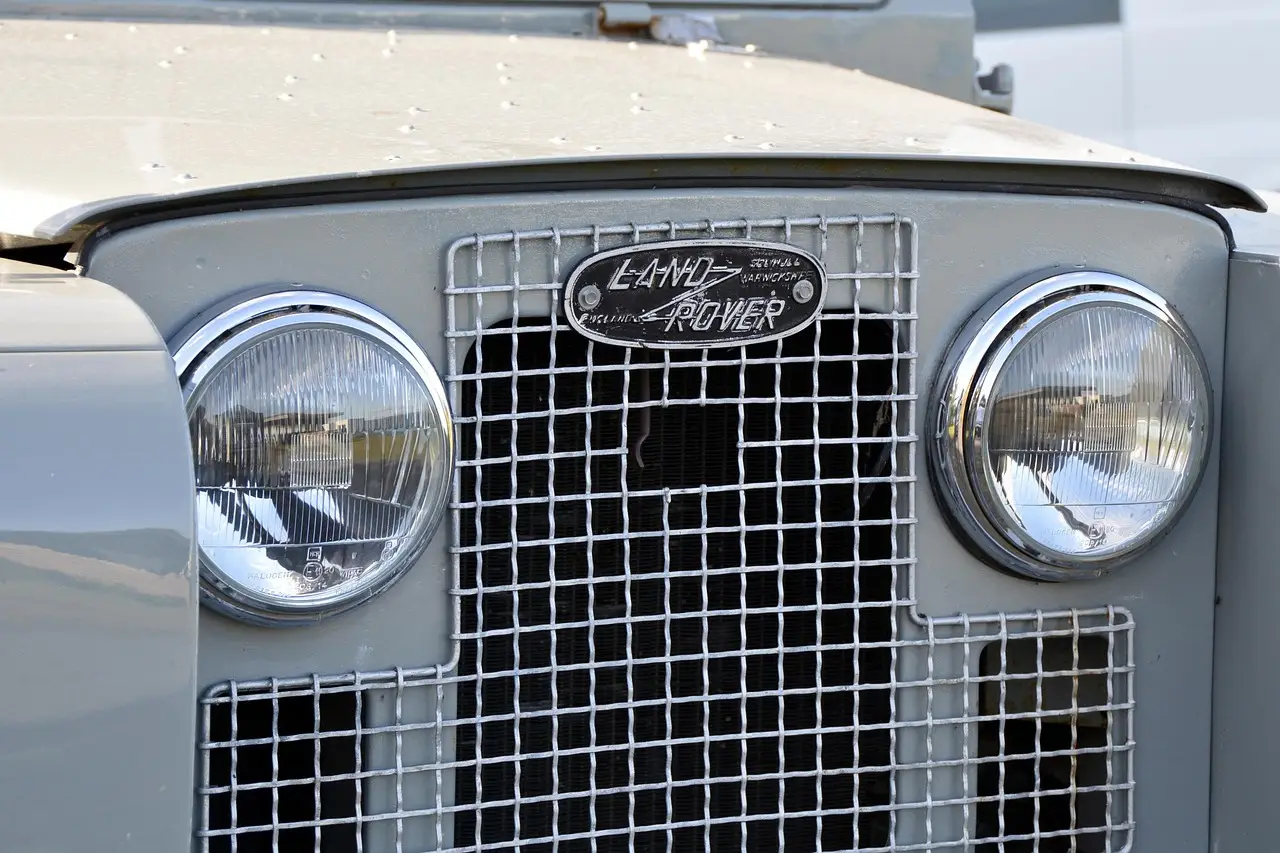
A Dutch court has banned BYD from selling, making or importing its Ti7 SUV anywhere in the European Union, ruling that the Chinese automaker infringed Jaguar Land Rover's registered design rights for the Defender. The District Court of The Hague issued the preliminary injunction on November 20, 2026, and violations could cost BYD up to €10 million.
For Tata Motors-owned JLR, it's a significant win. BYD rejects the findings and says it will appeal.
What does the ruling actually cover?
The Ti7 hasn't launched in the EU yet. So the injunction doesn't withdraw cars from customers — it blocks future commercial activity before it starts. The order applies to ten BYD entities and takes effect one week after formal service of the judgment.
The prohibited activities:
- Importing the Ti7 into the EU
- Manufacturing the SUV within the EU
- Offering it for sale
- Selling or delivering it
- Commercial storage and distribution
The order also complicates any plan to build the Ti7 at BYD's upcoming Hungarian plant, though no assembly decision there has been confirmed.
Why did JLR sue?
The dispute turns on resemblance between the Ti7 — a large plug-in hybrid SUV sold in China under BYD's Fang Cheng Bao brand since 2025 — and the current Defender, internally coded L663, introduced in 2019. Both are boxy, upright, muscular off-roaders.
JLR's argument was precise: BYD copied a particular combination of protected exterior styling elements, not just the generic box-SUV shape. The court agreed at the preliminary stage.
The judgment cited several shared features:
- Pronounced, rounded shoulders and body corners
- A characteristic signature panel around the rear pillar
- Rounded-corner wheel-arch openings
- A continuous side-window appearance
- Similar proportions and overall silhouette
BYD pointed to differences in lighting, front grille, bonnet and other details. The court found those differences didn't change the overall visual impression. One important caveat: this is registered design infringement, not a finding that BYD physically copied engineering, manufacturing processes or confidential technical information.
Is the UK affected?
No. JLR asked for restrictions covering both the EU and the UK, but the court ruled it lacked jurisdiction over BYD's British subsidiary. BYD's plan to deliver the Ti7 to UK customers from January 2027 stands, for now. Separate action under British intellectual property law remains possible — and the UK matters, as a key market for both BYD's expansion and Land Rover's premium business.
What is the Ti7?
A seven-seat plug-in hybrid aimed at international markets and positioned as a relatively affordable alternative to premium large SUVs. Reported UK specifications:
- Powertrain: 1.5-litre turbo-petrol plug-in hybrid, all-wheel drive
- Combined output: 300 kW (roughly 402 hp)
- Battery: 35.6 kWh, up to 119 km electric range (WLTP)
- Dimensions: 5,146 mm long, 1,995 mm wide, 1,865 mm high
- Reported UK price: £47,995
Those figures refer to the reported UK-market version, not all Chinese-market variants.
What happens next?
The November 20 order is preliminary, not final. JLR must initiate substantive proceedings within six months to keep the interim protection in force. BYD, for its part, maintains the Ti7 was developed independently and confirms it will challenge the decision. JLR has reiterated its commitment to protecting its intellectual property but declined detailed comment while litigation continues.
Why it matters for Tata Motors
The Defender is among JLR's most recognisable and commercially important models — worldwide sales exceeded 100,000 units in 2025. The ruling strengthens JLR's hand in defending the look of a core product at exactly the moment Chinese brands are surging in Europe: BYD's European vehicle sales topped 280,000 units in January–September 2026, more than double the same period of 2025.
The broader lesson for the industry is that design ownership is now a competitive battleground. The court has shown that a distinctive combination of styling features can be protected even when individual elements — upright windscreens, boxy bodies — are industry-standard. BYD's immediate financial exposure is limited because the Ti7 never reached EU showrooms. But the ruling clouds its European expansion plans, and it signals legal risk for any similarly styled Chinese vehicle heading west.
Competition between legacy automakers and Chinese manufacturers has moved beyond price, electrification and technology. Design itself is now contested territory.
via autopunditz.com (Source)
More from Priya Raman
Show full bio
Senior reporter covering technology and product news in corporate strategy and chief-executive leadership at CEO Frontier.
579 articles
Adjacent sheets
- Dutch Court Bans BYD Ti7 Across EU Over Defender Design
- JLR Sues BYD Over Defender Technology Claims as Hague Ruling Nears
- US Lawmakers Near Deal to Ban Chinese-Made Vehicles, With Mercedes Carve-Out
- ARB upholds consumer complaint, seeks Jetour ad withdrawal
- EU imposes up to 28% duties on Asian cold-rolled steel