Field report SW-40 / M1 · sheet /strategy
Corporate StrategyFiled from the territory
Citigroup Rules Out Wealth Deals, Chases $5 Trillion Held at Rivals
Citigroup wealth chief Andy Sieg rules out major acquisitions in pursuit of $5 trillion in rival-held client assets, betting on record organic inflows and Asia growth instead.
- Grid
- SW-40 / M1
- Surveyed
- November 20, 2026
- Reading
- 3 min read
- Correspondent
- Sophie Lindqvist
Field notes
- Citigroup targets $5 trillion in client wealth held at rival banks through organic growth only
- The bank recorded $38 billion in net new investment assets in Q3, a bank record
- Asia Pacific wealth revenue reached $2.58 billion in the first nine months, up 13% year on year
- Asia accounts for roughly 27% of total wealth revenue, among the fastest-growing regions
- Andy Sieg joined from Bank of America in 2023 to rebuild the wealth unit
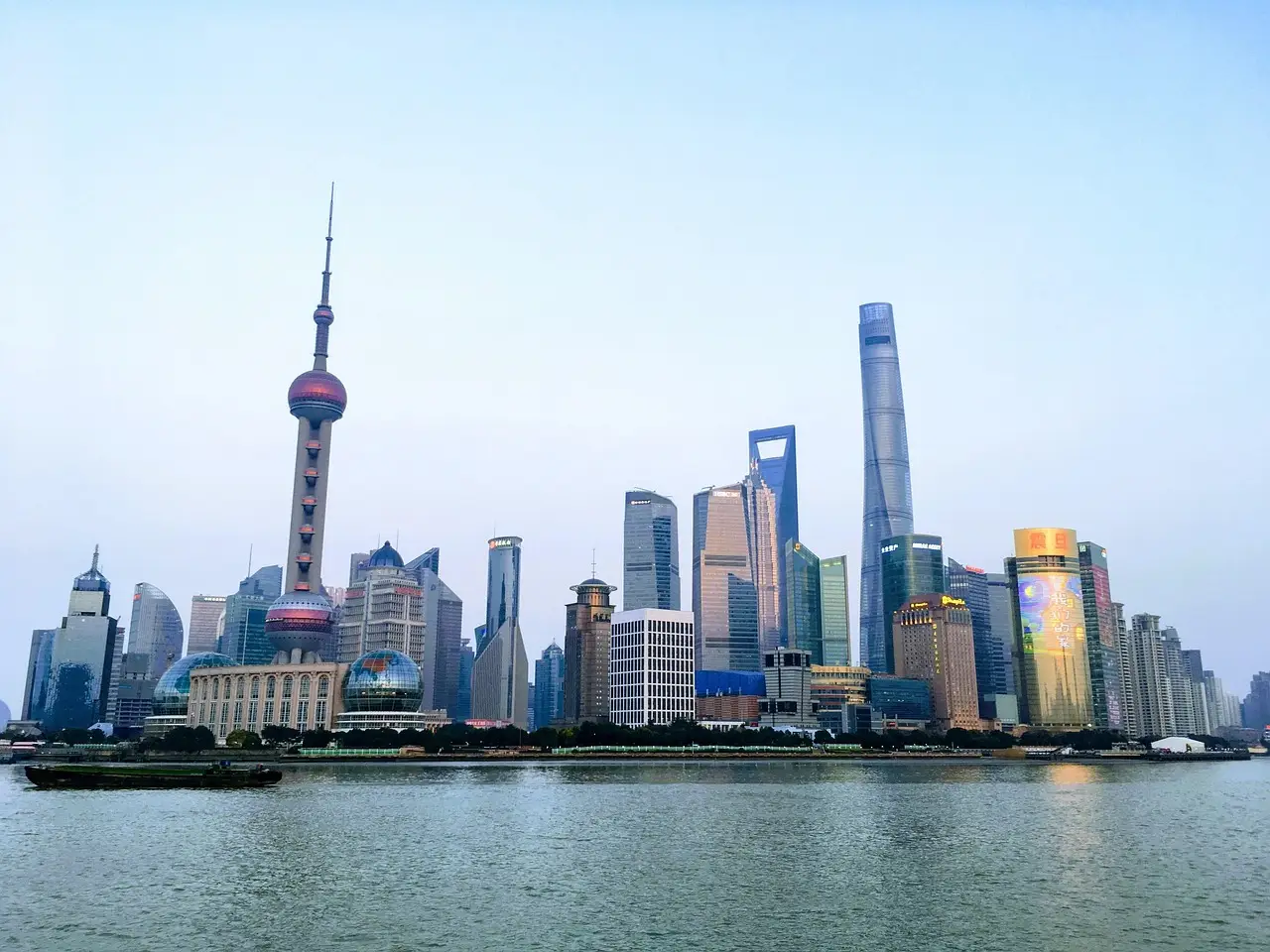
Citigroup says it will not buy its way into the $5 trillion in client wealth currently sitting at rival banks. Wealth chief Andy Sieg, speaking in Shanghai, ruled out major acquisitions and framed organic growth — expansion through the bank's own operations rather than purchases — as the strategy CEO Jane Fraser has demanded.
Fraser has made the mandate "extremely clear" for the last half-year, Sieg said in an interview with Bloomberg: the bank's approach is built "exclusively on organic growth."
The statement lands on sensitive ground. Bloomberg previously reported that Citigroup's leadership had discussed buying a sizable regional lender to capture deposits. Sieg did not deny the talks took place; he dismissed their relevance.
"We always think about different options," Sieg said. "But we've just simplified the business dramatically over the last five years, and we feel like the footprint that we have today and the booking centers that we have today are the right ones for us."
That is a carefully hedged formulation. Ruling out "major" acquisitions leaves room for smaller ones, and declining to name the regional lender under discussion means the option is shelved, not dead. What Sieg promised is discipline; what he did not promise is that no deal of any size will ever appear.
What backs the organic bet?
The numbers give the position some cover. Citigroup pulled in $38 billion in net new investment assets worldwide during the third quarter — a bank record. Sieg expects new flows to keep expanding at a high single-digit rate.
The bank is leaning on two internal engines. The first is its investment banking arm, which it now tasks with feeding the wealth unit. Citigroup introduced "partnership awards" to push its bankers and wealth advisers into joint work, and the first payouts went out this year. Whether the incentives change long-standing behavior between historically separate divisions is a question the first year of payouts cannot yet answer.
The second engine is geography. Sieg said Citigroup is drawing on its consumer banking presence in the U.S., Hong Kong and Singapore to build closer relationships with wealthy clients — converting retail customers into private banking relationships rather than acquiring them elsewhere.
How important is Asia to the plan?
Asia Pacific is where the growth case is most concrete. The region generated $2.58 billion in wealth revenue over the first nine months of the year, up 13% on the prior-year period. It accounts for roughly 27% of total wealth revenue and ranks among the bank's fastest-growing regions, according to Sieg.
"We're going to maintain discipline, but you're going to see steady growth in our banker headcount continuing in Asia," Sieg said.
Note the pairing: every growth commitment arrives bolted to the word "discipline." Headcount grows, but steadily. Flows expand, but from a simplified footprint. The strategy rules out bold moves in both directions — no big acquisitions, but no aggressive hiring sprees either.
What does this change for Citigroup's turnaround?
For investors, the answer is that the wealth rebuild stays a slow, internal project. Sieg arrived from Bank of America in 2023 with a mandate to rebuild Citigroup's wealth management unit. That unit sits at the center of Fraser's drive to improve returns after years in which the bank shed thousands of positions and withdrew from consumer businesses abroad.
The $5 trillion target defines the prize. The organic route defines the pace — record quarters like the last one, compounded at high single digits, rather than a single transformative purchase. If the inflows slow, the acquisition question Citigroup just tried to close will reopen on its own.
via qz.com (Source)
More from Sophie Lindqvist
Show full bio
Correspondent covering money, funding and market shifts around corporate strategy and chief-executive leadership at CEO Frontier.
515 articles