Field report W-41 / M6 · sheet /macro
Boardroom MacroFiled from the territory
Brent Crude Slips Below $90 for First Time Since August as Traders Price Peace
Brent crude dropped below $90 a barrel for the first time since August after Trump declared the Iran war 'effectively over', sending gilt yields and equities rallying.
- Grid
- W-41 / M6
- Surveyed
- November 17, 2026
- Reading
- 3 min read
- Correspondent
- Priya Raman
Field notes
- Brent crude fell below $90 a barrel on Tuesday for the first time since August.
- Oil is down more than 25% from its late-October peak of $117 a barrel.
- Trump declared the war with Iran 'effectively over' at a White House press conference.
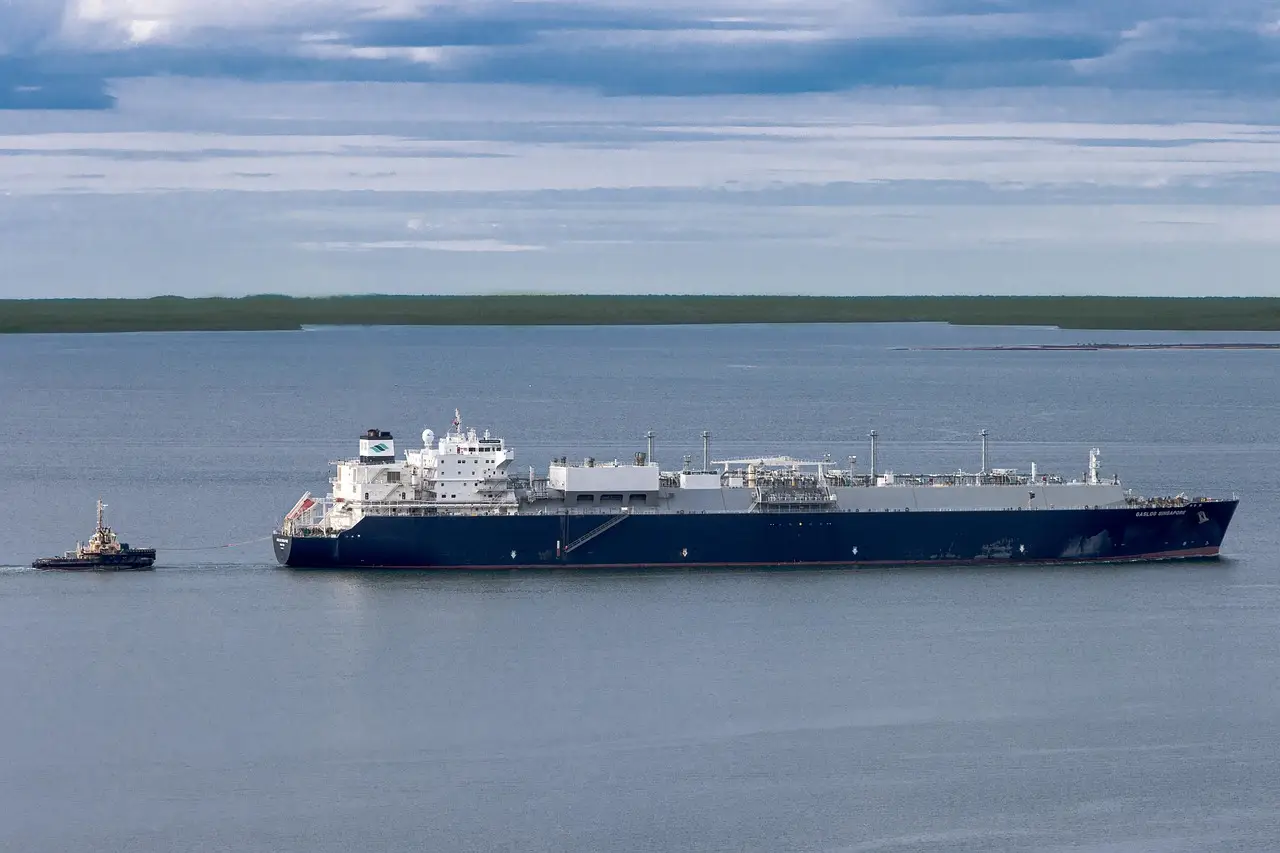
- LNG exports through the Strait of Hormuz hit their highest level since the war began last month.
- UK two-year gilt yields have dropped over 20 basis points since peaking at 4.95% in late October.
Oil has fallen below $90 a barrel for the first time since August, as renewed hopes of a Middle East ceasefire and recovering traffic through the Strait of Hormuz eased a supply-constrained market that has kept crude elevated for months.
Brent crude, the international benchmark price for roughly two-thirds of the world's traded oil, broke through the symbolic level on Tuesday morning. The trigger was political, not geological: Donald Trump told a White House press conference that the war with Iran was "effectively over".
The President couched that in caution. The US remains "locked and loaded, ready to go for any reason" if tensions re-escalate, he said. But he made clear he expects the conflict to wind down.
"We're seeing momentum towards the end of the conflict," Trump told reporters. "I think it's going to be ending fairly soon."
How far has oil fallen?
The numbers tell the story plainly. Brent dropped two per cent on Tuesday, extending a slide that saw crude tumble 17 per cent last week alone. The benchmark now trades more than 25 per cent below its late-October peak of $117 a barrel.
That peak was no accident. For more than three months, Brent held well above $90 because Iran and its satellite militia, the Houthis, maintained a stranglehold over the Middle East's two main shipping lanes. Countries across the region have been swept into the conflict, stoking prices further. Saudi Arabia has absorbed a barrage of Houthi strikes, hitting energy infrastructure and three of its international airports.
What's offsetting the attacks?
Here's the mechanism. Even as missiles fall on Saudi soil, the physical flow of fuel through the region's chokepoints is recovering. Exports of liquefied natural gas (LNG, gas cooled into liquid form for shipping) through the Strait of Hormuz hit their highest total since the war began last month. Crude traffic through the same artery has picked up in parallel.
So the market is looking past the attacks and pricing the endgame. David Mirzai, research analyst at SP Angel, said diplomatic efforts to end the eight-month war were "offsetting continued attacks on Saudi Arabia by the Houthis and Iran on marine vessels travelling through the Strait of Hormuz".
That's the core of Tuesday's move. Supply is still under threat on paper, but traders are betting the threat fades before it does real damage to shipments.
Why are gilts rallying too?
Cheaper oil feeds straight into inflation expectations, and bond markets have noticed. The drop presaged a rally in both equities and government bonds, as traders pared back bets on the war's inflationary impact.
UK gilt yields (the interest rate the government pays to borrow) fell across both long and short maturities. The two-year yield, which closely tracks inflation and interest rate expectations, has dropped more than 20 basis points (hundredths of a percentage point) since peaking at 4.95 per cent in late October. The 10-year yield has fallen more than 30 basis points over the same period.
Deutsche Bank strategist Shreyas Gopal put the UK move in global context. "10-year gilt yields have fallen almost 25bps since the Autumn Budget," he said. "Global factors, such as the welcome fall in oil prices, have undoubtedly played a large role in this fall in borrowing costs, alongside an increase in equity market volatility."
Britain has also outperformed its peers, Gopal noted. "UK bonds have also outperformed on a relative basis since the Budget. Indeed, 10-year gilt yields have fallen by about 12bps more than their US and German equivalent."
What happens next?
The market's confidence rests on two fragile pillars: a ceasefire deal that hasn't been signed, and shipping lanes that have only just started to recover. Trump says both parties are nearing an agreement. If talks stall and Houthi strikes on Saudi infrastructure continue, the 25 per cent discount from October's peak could reverse quickly.
For now, though, the direction of travel is clear. Oil below $90, gillet yields sliding and equities rallying — all of it hangs on the bet that an eight-month war is entering its final weeks.
via cityam.com (Source)
More from Priya Raman
Show full bio
Senior reporter covering technology and product news in corporate strategy and chief-executive leadership at CEO Frontier.
450 articles