Field report NW-90 / R4 · sheet /strategy
Corporate StrategyFiled from the territory
AWS Chief Rules Out Space Data Centers for a Decade or Two
AWS CEO Matt Garman says orbital AI data centers are 10-20 years from practicality, citing launch costs, heat and radiation — despite pushes by Musk and Bezos.
- Grid
- NW-90 / R4
- Surveyed
- November 13, 2026
- Reading
- 4 min read
- Correspondent
- Priya Raman
Field notes
- AWS CEO Matt Garman said space data centers are unlikely to be economically feasible for 10-20 years
- Garman said AWS lands one GPU in a data center every 14 seconds, versus fewer than one rocket launch per day globally
- SpaceX aims to build a constellation of a million satellites operating as orbital data centers; Musk said space could be cheapest within three years
- Bezos called space data centers 'very realistic' in May but said two-to-three-year timelines are 'a little ambitious'
- Garman said Amazon's largest data centers use less water than 40 US households
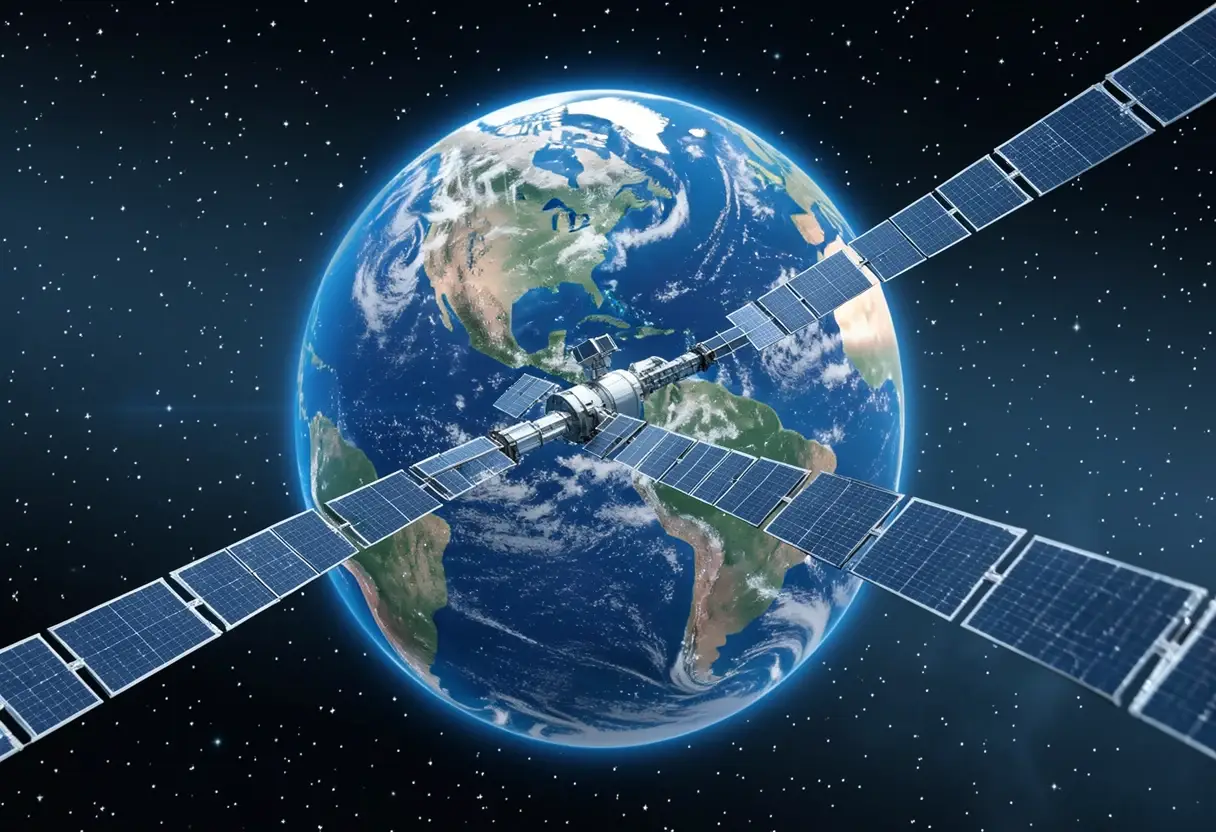
Orbital data centers won't make economic sense for another 10 to 20 years, according to AWS CEO Matt Garman, who used a podcast appearance to pour cold water on one of Silicon Valley's favorite AI infrastructure ideas.
Speaking on the Sources Podcast, released Tuesday, Garman said space-based facilities are "highly unlikely to be economically feasible or practical in the next decade or two." That's a direct challenge to Elon Musk, Jeff Bezos and a clutch of engineers now being hired to build compute in orbit.
The quote matters because AWS runs the world's largest cloud business. When its CEO calls a technology impractical, buyers and investors listen.
Why the math doesn't work yet
Garman's argument comes down to launch economics. Rocket flights, he said, remain "relatively infrequent and expensive." The comparison he drew is stark.
"We as a world don't do one launch a day today," Garman said. "We're landing in a data center today one GPU every 14 seconds."
Read that again. One GPU every 14 seconds. The pace of AI buildout on the ground is so fast that even daily launches couldn't keep up with demand. And that's before you account for what orbit does to hardware.
Heat is the first problem. "Dissipating heat in space is actually quite hard," Garman told host Alex Heath. Servers generate enormous amounts of it, and in a vacuum there's no air to carry it away. Then comes radiation — "There's radiation everywhere, so you have to build things," Garman said — which forces heavier, costlier shielding. He added that building servers in space would cost "way more" than on Earth.
His verdict, though, wasn't a flat no. "These are all technically solvable problems," Garman said. "It's just going to take a while."
Who's pushing the orbital vision
Garman's skepticism lands in the middle of a very public race.
SpaceX has said it aims to build a "constellation of a million satellites that operate as orbital data centers," and earlier this year it began hiring engineers to work on the concept. In January, Musk said that within three years "at the latest," space could be the cheapest place to put data centers.
Bezos — Amazon's founder, and the man behind Blue Origin — is more bullish than his own cloud chief. In a CNBC interview in May, he called space data centers "very realistic," while cautioning on timing.
"Some of the timelines we hear are very short," Bezos said. "People would talk about two or three years. That's probably a little ambitious."
So the split isn't whether orbital compute happens. It's when — and whether Bezos's Blue Origin or Musk's SpaceX gets there first.
What about oceans and deserts?
Garman didn't stop at orbit. Asked about underwater data centers, he was similarly blunt. "Oceans, there's some of those same problems," he said. "I find oceans to be also probably impractical."
Deserts got a warmer reception. Of the three locations discussed, Garman told Heath, deserts are "by far the most likely."
His reasoning is practical:
- Relatively stable environmental conditions
- Natural heat sinks (a medium that can absorb waste heat)
- Abundant solar power generation
But even desert buildouts carry a trade-off, in his view. Placing data centers far from towns means those communities miss out on the increased tax base and high-paying jobs the facilities bring.
The water question
Garman also pushed back on criticism of data centers' water consumption, a growing concern as AI farms strain local supplies. Amazon's largest facilities, he said, use less water than 40 US households.
That's a small number, and it's clearly one AWS wants repeated. Whether regulators and water-stressed communities accept the framing is a separate question — but it signals the company's preferred talking point as scrutiny of AI's resource footprint intensifies.
The bottom line
Garman has drawn a line: space data centers are engineering-feasible and economics-terrible, for now. Musk says three years. Bezos says longer than the optimists think. The AWS chief says a decade or two, minimum.
Someone's timeline is wrong. Given that AWS installs a GPU every 14 seconds on Earth today, Garman's skepticism about moving that machine into orbit looks like the safest bet in the room.
via feeds.businessinsider.com (Source)
More from Priya Raman
Show full bio
Senior reporter covering technology and product news in corporate strategy and chief-executive leadership at CEO Frontier.
255 articles
Adjacent sheets
- Data Centers Need Community Stakes and Regulatory Accountability
- Data center backlash forces a new playbook for AI builders
- AI Firms Double Down on Fossil Fuel Deals, From Abu Dhabi to Texas
- AI Capex Nears $700 Billion, and the Cash Burn Worries Investors
- Nvidia Urges Treating Data Centers as Community Assets