Field report W-75 / K7 · sheet /deals
M&A & DealsFiled from the territory
AI Firms Double Down on Fossil Fuel Deals, From Abu Dhabi to Texas
OpenAI's ADNOC deal headlines a wave of AI-fossil fuel tie-ups, with Amazon, Nvidia and Microsoft locking in gas power that could add up to 1.8 billion tons of CO2 a year.
- Grid
- W-75 / K7
- Surveyed
- November 10, 2026
- Reading
- 4 min read
- Correspondent
- Priya Raman
Field notes
- OpenAI signed a deal with Abu Dhabi's ADNOC to deploy advanced AI across the state energy firm's operations, per Reuters.
- Microsoft signed a 20-year deal with Chevron for 2.67 gigawatts of natural-gas-fired power for a proposed West Texas data center.
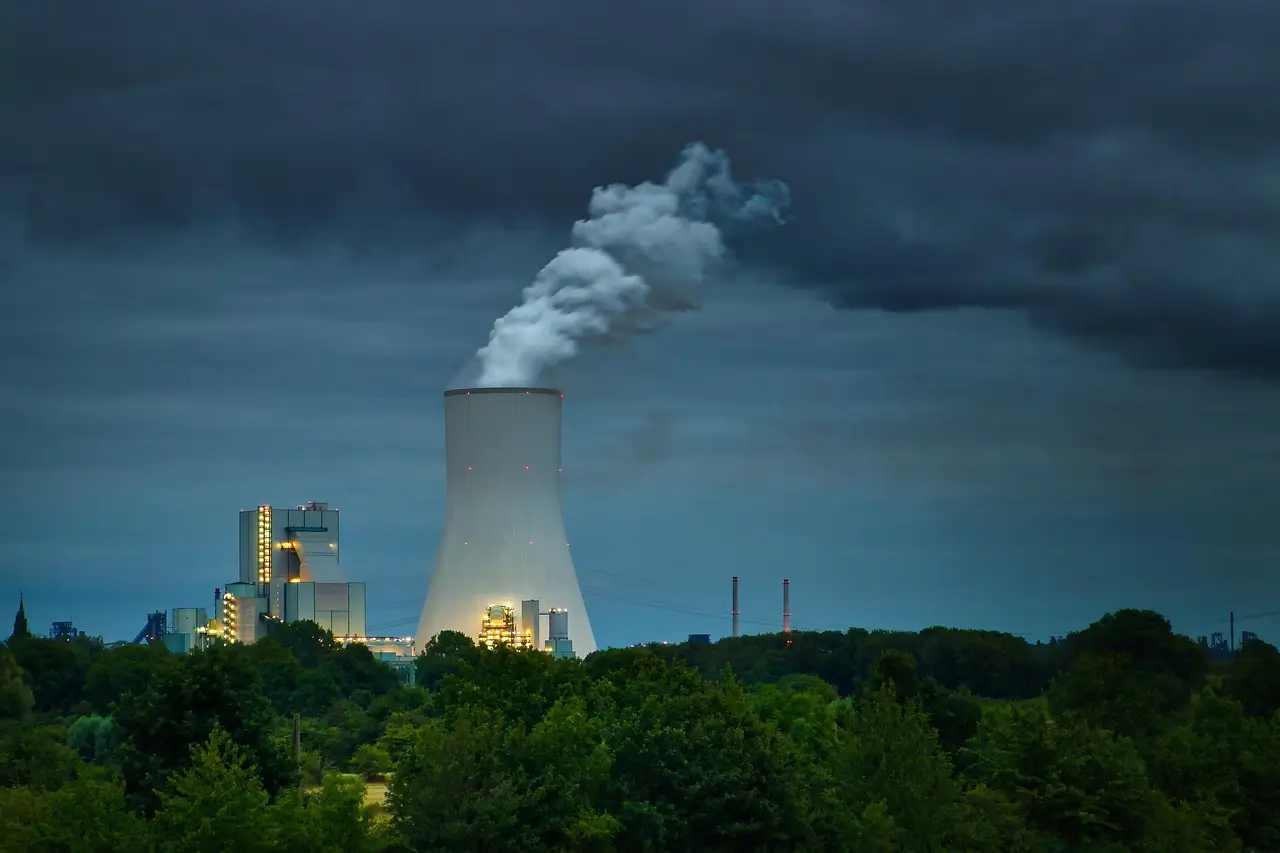
- Amazon is building a gas-fired plant in Texas that, under a seven-plant plan, would be the biggest power-related emissions source in the US.
- Nvidia announced in August a partnership with SoftBank and the US government to build the country's largest fossil-fuel plant for an OpenAI Ohio project.
- An NPJ Climate Action paper found AI gains could raise global CO2 emissions by 0.47-1.8 billion tons a year — the low end equals Mexico's annual emissions.
OpenAI has signed a deal with Abu Dhabi's ADNOC to deploy advanced AI across the state energy firm's operations — the highest-profile deal yet in a fast-moving courtship between Silicon Valley and Big Oil.
The agreement, reported by Reuters, marks the latest step in the ChatGPT maker's deepening ties with the United Arab Emirates. But it's far from an isolated case. According to reporting, AI firms are racing to build products aimed at some of the richest pockets in the world: oil and gas companies.
What's driving the AI-fossil fuel alliance?
Two forces are colliding. First, the AI boom is causing a natural gas surge in the United States, and experts expect that data center hyperscalers (the handful of giants operating vast fleets of data centers) will greatly extend the life of fossil fuels in the global energy mix — even as the world keeps shattering clean energy growth records.
Second, the relationship runs both ways. Big Tech is planning data centers faster than global power grids can keep up. Legislation under the Trump administration has pushed tech companies to provide their own energy sources for new data centers, leaving Silicon Valley scrambling to add generation capacity by any means necessary.
That push includes funding next-gen clean energy research, such as nuclear fusion and space-based solar power. In practice, though, it has translated into massive natural gas contracts.
Semafor, the nonpartisan global news outlet, reported that the OpenAI-ADNOC deal was the highest-profile example of a broader push at ADIPEC — the Abu Dhabi-based energy industry conference — by tech companies pitching bespoke, AI-driven tools to help operate drilling rigs, refineries and other oil assets.
Which companies are signing?
The list of deals is growing quickly:
- OpenAI and ADNOC: advanced AI capabilities deployed across the state energy firm's operations, per Reuters.
- Amazon: constructing a gas-fired power plant in Texas that, if completed under the current seven-plant development plan, will be the single biggest source of power-related emissions in the entire United States.
- Nvidia: announced in August a partnership with Japan's SoftBank and the US federal government to build the largest fossil-fuel plant in the country, powering an OpenAI project in Ohio.
- Microsoft: signed a 20-year deal with Chevron for 2.67 gigawatts of natural-gas-fired power for a proposed West Texas data center.
Each contract locks in decades of demand. The Microsoft-Chevron arrangement alone spans 20 years.
Does AI pay back its own energy bill?
AI advocates argue the technology will save more energy than it consumes over time, through efficiency gains across every sector that uses it. The numbers don't cooperate.
A recent paper published in NPJ Climate Action found that if fossil fuels make economic gains anywhere above zero thanks to AI integration, enabled emissions will exceed avoided emissions. Even in the friendliest scenario — where fossil fuel and renewables sectors benefit equally from AI gains — global CO2 emissions still rise by between 0.47 billion and 1.8 billion tons a year.
"On the smaller side it's about the emissions of Mexico annually," Holly Alpine, one of the paper's co-authors, was quoted saying by the Wall Street Journal.
That's the mechanism: AI makes everything cheaper and faster, including extraction. When drilling gets more efficient, more drilling happens. The efficiency gains that help renewables also help oil and gas, and the added fossil output swamps the savings.
Where does this leave the two industries?
Despite the sobering climate math, AI firms keep courting fossil fuel companies and securing long-term contracts with Big Oil's economic heavyweights. The OpenAI-ADNOC deal is not the first of its kind, but its high-profile nature signals where both sectors are heading together.
The strategic logic is simple on each side. Oil companies get machine learning tools that squeeze more from rigs, refineries and pipelines. AI companies get the power they need, on timelines the grid can't match. It's a mutually reinforcing loop — and, as the reporting bluntly notes, it's not good for anyone's bottom line but their own.
For executives watching from either industry, the message is that gas-powered AI infrastructure is now the default, not the exception. The deals announced at ADIPEC, in Texas and in Ohio suggest the pairing will deepen before it breaks.
via leadership.ng (Source)
More from Priya Raman
Show full bio
Senior reporter covering technology and product news in corporate strategy and chief-executive leadership at CEO Frontier.
212 articles
Adjacent sheets
- Chevron CEO Lays Out Plan to Blunt AI-Driven Power Costs
- Money, Not Silicon: Intel and Broadcom CEOs Flag Capital as AI's Real Limit
- Data center backlash forces a new playbook for AI builders
- Data Centers Need Community Stakes and Regulatory Accountability
- Selloff in AI chips after Democratic win tests political risk math