Field report W-89 / Q6 · sheet /operations
Operations & RestructuringFiled from the territory
Adnoc Gas Doubles Quarterly Profit to $1.34 Billion, Lifts 2025 Outlook
Adnoc Gas posted $1.34 billion in Q3 net income, double Q2, and lifted full-year guidance to at least $4 billion as LNG cargoes through the Strait of Hormuz recover.
- Grid
- W-89 / Q6
- Surveyed
- November 11, 2026
- Reading
- 3 min read
- Correspondent
- Priya Raman
Field notes
- Adnoc Gas Q3 net income was $1.34 billion, up 101% from $665 million in Q2.
- Full-year net income guidance was raised to at least $4 billion from a prior $3.5-$4 billion range.
- Board approved a $940 million quarterly dividend, up 5% year-on-year, payable in December.
- September LNG exports were about 88% of 2025 levels, per CFO Peter van Driel.
- Adnoc approved a $6.2 billion Umm Shaif Gas Cap investment in July, with production due by 2030.
Adnoc Gas doubled its quarterly profit to $1.34 billion and raised its full-year net income guidance to at least $4 billion, a floor that sits above the midpoint of its previous $3.5 billion-to-$4 billion range.
The Abu Dhabi National Oil Company unit reported the figures on Tuesday. Net income rose 101% from $665 million in the second quarter, while EBITDA (earnings before interest, taxes, depreciation and amortization) climbed 70% quarter-on-quarter to $2.03 billion.
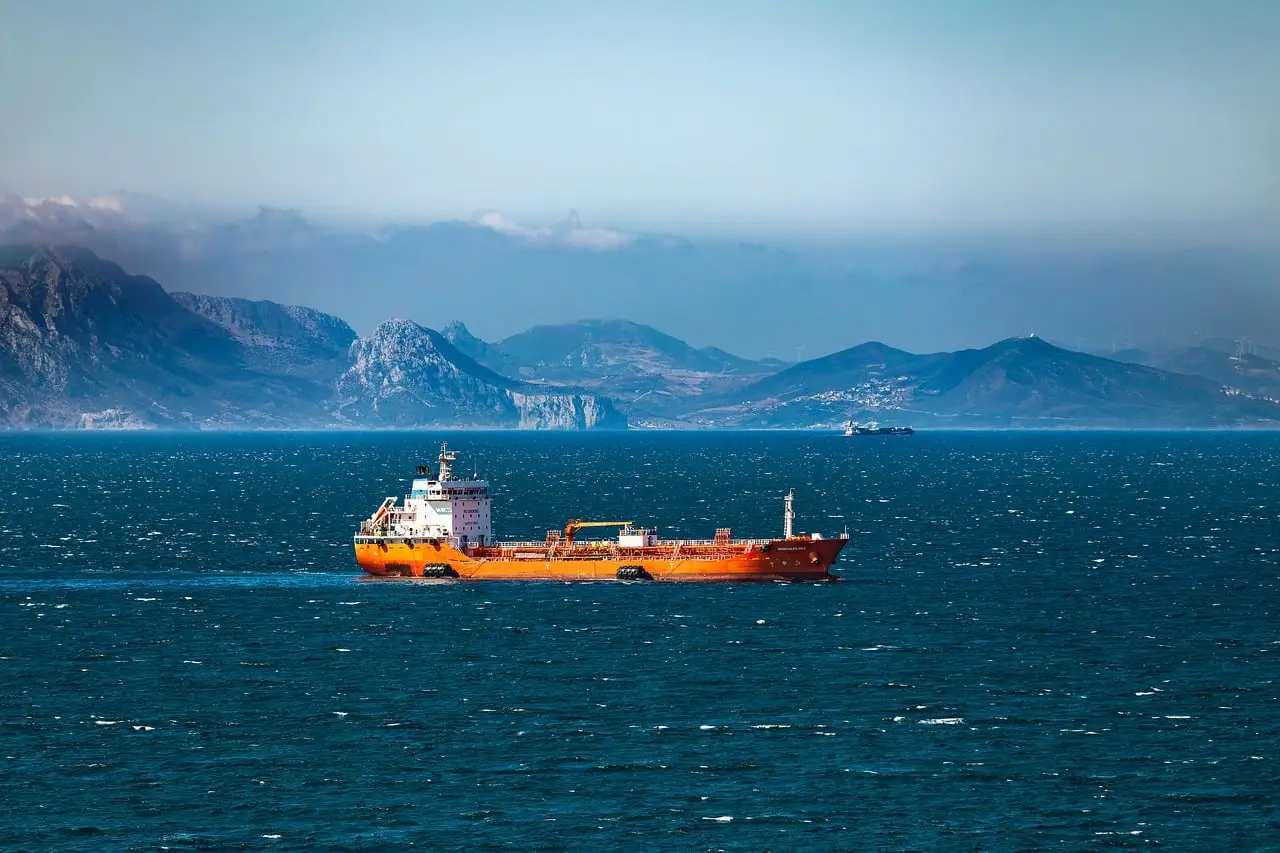
The recovery has a clear engine: liquefied natural gas exports moving again through the Strait of Hormuz.
What drove the rebound?
Every major segment improved. Sales within the UAE rose 20% from the second quarter, and domestic gas EBITDA jumped 28%. International product sales delivered the bigger swing — EBITDA from that business rose 106%. Sulfur EBITDA, the smallest line in the mix, surged 249%.
Chief Executive Fatema Al Nuaimi credited execution rather than luck. "Our operational strength and commercial agility enabled us to safely and reliably meet domestic and international demand and drive strong financial results despite continued challenging external conditions," she said in a statement.
The LNG story is the mechanism underneath the numbers. The company shipped more LNG cargoes through the Strait of Hormuz in the third quarter than in the second, according to The Wall Street Journal.
"It is a month-by-month improvement in the number of cargoes that are crossing the Strait of Hormuz," Chief Financial Officer Peter van Driel told the Journal.
The improvement is real but incomplete. September exports ran at roughly 88% of 2025 levels, and shipments haven't returned to pre-war volumes even with U.S. Navy ships escorting vessels, van Driel said.
What are the risks to the new guidance?
The company named the risk itself. Market conditions improved in the third quarter, it said, but continued disruption to maritime movements through the strait still strains operations — and the outlook depends on regional maritime conditions.
The geopolitics around the waterway remain unsettled. The U.S. struck Iran's Qeshm Island in the Strait of Hormuz last week. Tehran says the strait could reopen within two days if Washington meets seven demands, and Washington rejects Iran's claimed authority over the waterway. A U.S.-Iran memorandum of understanding signed June 17 has collapsed.
One shareholder question is whether Adnoc Gas will build its way around the chokepoint. Asked about projects to bypass the strait, including an LNG export facility at the Port of Fujairah on the Gulf of Oman — outside Hormuz — Al Nuaimi was blunt.
"At this stage, there are no decisions made on any of these projects," she told the Journal.
What else did the board approve?
Shareholders get a raise. The board approved a quarterly dividend of $940 million, up 5% from a year earlier, payable in December.
On operations, the company said restoration of the damaged Habshan complex remains on track to reach full capacity by the second quarter of 2027.
The parent company is also spending to widen the production base. In July, Adnoc approved a $6.2 billion investment in the Umm Shaif Gas Cap, a field expected to begin production by 2030. That decision reflects the same logic running through the quarter's results: the strain on Hormuz has pushed Abu Dhabi to expand its own gas output.
For investors, the quarter offers a clean read. Profit doubled, guidance moved up, the dividend grew, and the main caveat — shipping through a contested waterway — is now explicitly written into the company's own outlook language.
via qz.com (Source)
More from Priya Raman
Show full bio
Senior reporter covering technology and product news in corporate strategy and chief-executive leadership at CEO Frontier.
212 articles
Adjacent sheets
- ExxonMobil and Chevron Beat Forecasts as Refining Profits Surge
- Gulf Oil Exports Return to Pre-War Levels as Saudi Flows Jump 13%
- Lucid Misses Q3 Estimates, Draws Further $1.75 Billion From Saudi Backer
- NUPRC royalties fell 19% as Nigerian output rose in 2025
- Continental Lifts Profit Outlook After Tire Unit Beats Estimates