Field report N-57 / R9 · sheet /macro
Boardroom MacroFiled from the territory
Voters Want an AI Pause, Not Just Data Center Limits, Researcher Warns
40 of 41 data-center ballot measures went against industry in 2026. Researcher David Krueger says voters want an AI pause, and a 26-author paper maps a chip-level path to one.
- Grid
- N-57 / R9
- Surveyed
- November 19, 2026
- Reading
- 3 min read
- Correspondent
- Elena Vasquez
Field notes
- 40 of 41 data-center-related ballot measures in the 2026 midterms went against the industry.
- A 26-researcher paper proposes a 'hardwired' pause using inference-only chips; analysis says over 99.9% of existing chips could be located and governed.
- 70 percent of Democrats support unilateral pauses by U.S. AI companies until Congress acts, per polling cited.
- Texas Governor Greg Abbott lost to Gina Hinojosa, who campaigned on a data center construction moratorium.
Forty of 41 data-center-related ballot measures failed in the 2026 midterms, and an AI researcher who co-authored a new paper on halting the technology argues the revolt was never just about server farms and power bills. David Krueger says voters want a pause on AI development itself, and he contends the new Congress should legislate one — by targeting the chips.
What did the midterms actually decide?
The populist backlash caught presumed winners off guard. Texas Governor Greg Abbott, governing a state Republicans have held for 32 years, lost to Democrat Gina Hinojosa, who campaigned on an immediate moratorium on data center construction. In New Hampshire, incumbent Kelly Ayotte adopted the call for a moratorium on AI data centers and won reelection.
Krueger, writing in Fortune, frames the ballot results as only the visible edge of a broader shift. Polling he cites shows Americans of all political stripes now favor a pause on AI development, with 70 percent of Democrats supporting unilateral pauses by American AI companies until Congress acts — despite competition from Chinese AI.
How would a pause actually work?
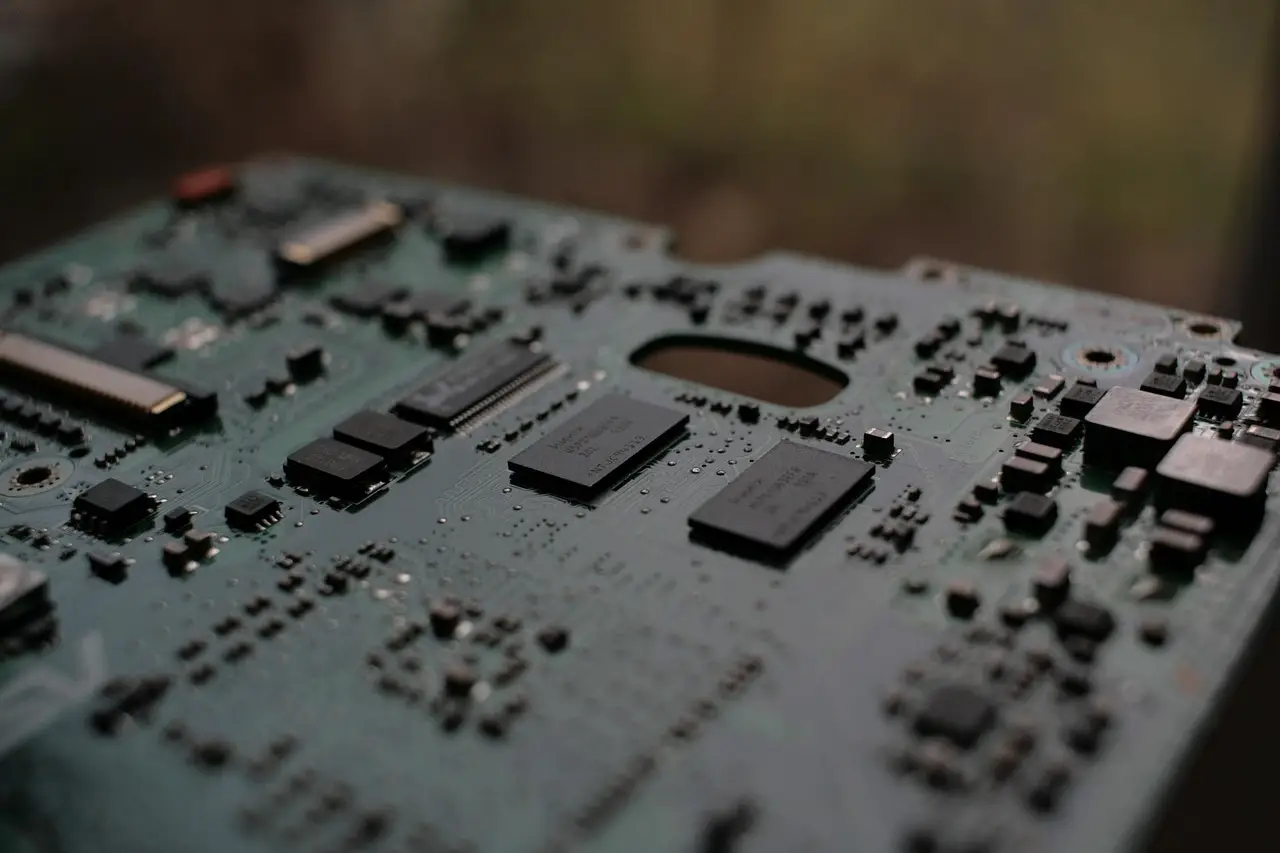
The centerpiece of the paper Krueger co-authored with a multidisciplinary team of 26 researchers is a "hardwired" pause. Production would halt on chips used to train AI models, replaced by "inference-only" chips built for a single job: running approved AI models. Current AI chips can train or run any model; inference-only chips cannot advance the frontier of AI capabilities even if stolen, seized, or smuggled abroad.
The design answers the main objection to any pause — that adversaries would keep developing in secret. Governments would need to hide large quantities of existing chips or manufacture new ones covertly. The paper's analysis suggests more than 99.9 percent of existing chips could be located and governed. The complexity of the technology and its supply chains makes covert chip production extremely difficult, Krueger argues, and a hardwired pause would provide security if a rival power abandoned the agreement.
What would it cost the economy?
Economic damage would be limited, according to the paper, because existing AI models would remain available. Inference-only chips could run those models faster and more efficiently. AI companies' stock prices might decline, but Krueger says monetary policy could offset a fall in spending, and a broader recession looks unlikely under current conditions.
He weighs those costs against the harms a moratorium would mitigate: warnings from experts and whistleblowers about human extinction, superhuman AI driving unprecedented unemployment, and what he calls existential threats to democracy.
Is Congress moving?
In September, many dismissed the bill from Senator Bernie Sanders and Representative Greg Casar to ban artificial superintelligence and temporarily pause advanced AI development as a messaging exercise. The intervening months brought a string of cybersecurity incidents — a global wave of exploits of a PHP code flaw, the theft of $6.3 billion in crypto from Binance via fake job interviews, and breaches tied to U.S. government websites — that shifted the terrain. Science-published expert warnings suggest a comparable biosecurity crisis could follow.
Representative Yassamin Ansari spelled out the emerging position: "Top of the Democratic agenda on day one needs to be a pause on advanced AI development, regulation of this out-of-control industry, and a ban on artificial superintelligence." She is not alone, per tracking of pause advocates.
Krueger rejects the framing that AI is inevitable. Development is a multi-trillion-dollar investment in AI chips, arguably the most sophisticated physical devices in existence, and it is driving the data center boom. A moratorium on new data centers alone, he writes, is not enough.
What comes next?
President Trump's AI accelerationist stance may have cost Republicans in the midterms, Krueger argues, but his upcoming meetings with President Xi Jinping present an opening for a handshake agreement to pause AI. By the time the new Congress convenes in 2027, he predicts, the question will no longer be whether to pause AI, but how.
The only conceivable justification for inaction, he writes — that someone else will build it if we don't — is the argument his research is designed to undercut.
via fortune.com/feed/ (Source)
More from Elena Vasquez
Show full bio
Staff writer covering companies, deals and strategy in corporate strategy and chief-executive leadership at CEO Frontier.
486 articles
Adjacent sheets
- Data-center curbs won 40 of 41 local US midterm measures
- Data Center Expansion Hits Political Wall as Democrats Win Governorships
- Data Center Backlash Has an Overlooked Driver: The Buildings Are Ugly
- Data center backlash forces a new playbook for AI builders
- 40 of 41 Ballot Measures Rejected Data Centers. Now Democrats Must Govern