Field report E-43 / L4 · sheet /strategy
Corporate StrategyFiled from the territory
Verizon CEO Puts $300 Billion Price Tag on SpaceX Phone Push
Verizon CEO Dan Schulman says Elon Musk would spend about $300 billion and six years to build a Verizon copy, as SpaceX adds micro cell towers and 15,000 satellite launches.
- Grid
- E-43 / L4
- Surveyed
- November 19, 2026
- Reading
- 4 min read
- Correspondent
- Elena Vasquez
Field notes
- Schulman estimates SpaceX would need about $300 billion and 4-6 years to match Verizon's network
- The three major U.S. carriers lost $50 billion in market cap after SpaceX's carrier announcement; Verizon fell 8.7%, worst day since 2002
- SpaceX bought Echostar spectrum for $17 billion in September 2025; FCC approved 15,000 new satellite launches
- Starlink has 12 million paying subscribers and is SpaceX's only profitable business line
- JPMorgan analysts see limited near-term risk to incumbents given capital and infrastructure requirements
Verizon CEO Dan Schulman says Elon Musk would need roughly $300 billion and four to six years to build a phone network that simply replicates what Verizon already operates — his most detailed public response yet to SpaceX's push to become a major U.S. mobile carrier.
"At the end of the day, he might have a network that is pretty much exactly like our network today," Schulman told Fortune Editor in Chief Alyson Shontell on the Fortune Titans and Disruptors of Industry podcast. "There's no secret sauce, there's no magic wand, there's no structural cost advantage that will come out. He'll have a network, and in four years, five, six years, he'll be the sixth entrant into the market."
What is SpaceX actually building?
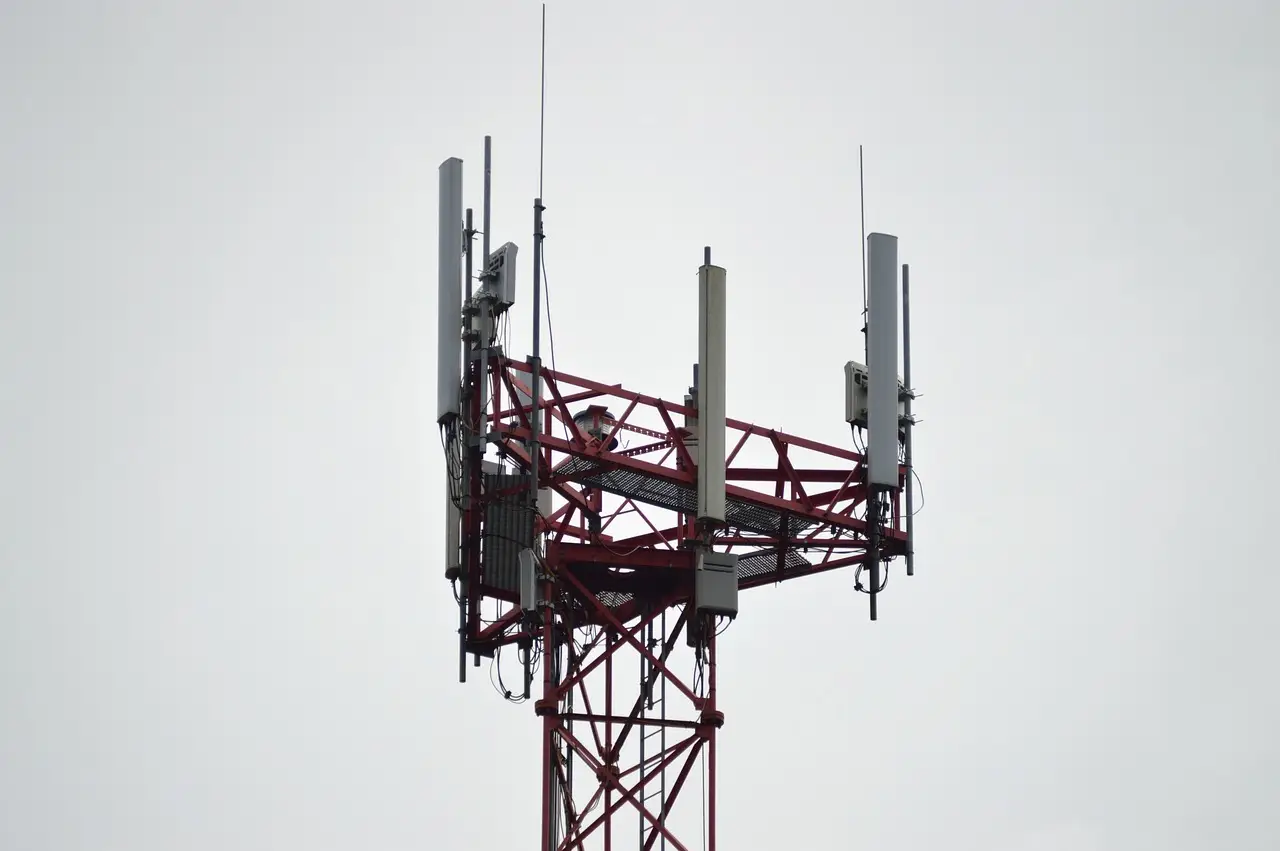
Musk added detail to his plan Wednesday, telling the New York Times DealBook Summit that SpaceX is exploring production of "micro cell towers" for Starlink Mobile as early as next year. That ground hardware, in Schulman's framing, is precisely what turns SpaceX into just another carrier rather than a satellite disruptor.
The threat is already priced into the market. When SpaceX announced last month that Starlink would become "a major mobile carrier in the U.S.," telecom stocks plunged and the combined market capitalization of the three major U.S. carriers slid by $50 billion in a single session. Verizon alone fell 8.7% — its worst one-day performance since 2002.
The groundwork took shape over more than a year. SpaceX acquired wireless spectrum from Echostar in a $17 billion deal in September 2025, and the Federal Communications Commission approved the transaction in May. That cleared the path for Starlink Mobile, a service designed to connect phones directly to satellites without a dish or router — the feature that distinguishes it from existing carriers.
SpaceX's October announcement added scale. The FCC has approved 15,000 new satellite launches under Starlink Mobile, and SpaceX is acquiring an additional 14 MHz of paired 800 MHz low-band spectrum licenses from Grain Management — spectrum that underpins nationwide wireless coverage.
Starlink brings a funding engine to the fight. The unit has 12 million paying subscribers and, according to SpaceX's latest earnings, remains the only profitable arm of the company's business.
Why does Schulman think the cost is unavoidable?
His argument rests on network economics. Two major cable companies and three mobile network operators already crowd the U.S. market, and Schulman sees no structural shortcut that lets a newcomer leapfrog the incumbents' capital investment. Building terrestrial infrastructure to match them, he suggests, consumes both time and money at a scale few companies can absorb.
JPMorgan Chase analysts reached a similar conclusion in an investor note last month. Without a deal with an existing wireless carrier, SpaceX would have to construct its own terrestrial network to compete head-on — an undertaking requiring even more capital than the company is already spending on spectrum.
"We continue to see limited near-term risk to U.S. wireless incumbents given the time, infrastructure and capital required to build a competitive terrestrial network," the analysts wrote.
How is Verizon preparing?
Schulman expects the industry to look and feel "radically different" three or four years from now, regardless of whether SpaceX becomes a main player. An incoming 6G world will pave the way for high-speed broadband nationally, and Verizon is building an AI fabric across its network that he says will open additional uses for agentic technologies.
His operating instruction to the company is to take SpaceX at its word. "I think the right thing to do is to believe everything that SpaceX says they're going to do, that they do, and they do it with excellence," Schulman said. "There's no downside to thinking that and preparing for that. The downside is when you're complacent about it."
What does Musk do next?
Schulman said he has not spoken with Musk recently, and Musk's endgame remains opaque to him. SpaceX could invest further in data centers in space, he said, or pursue what he called a "whole host of high ROI potential returns." The strategy, Schulman conceded, is unclear.
What is clear is Verizon's stance. "What is clear is any scenario or any possibility, we are thinking about it and getting prepared for any of it, and that is, you know, what I tell the company: let's be ready," he said. "No matter what the scenario is, be prepared and shape the market, not react."
via fortune.com/feed/ (Source)
More from Elena Vasquez
Show full bio
Staff writer covering companies, deals and strategy in corporate strategy and chief-executive leadership at CEO Frontier.
496 articles
Adjacent sheets
- Verizon's Schulman Cuts 13,000 Jobs and Rebuilds for a Starlink Fight
- Ellison Calls Musk's $1 Billion Skydance Stake a 'Privilege'
- Verizon Cut 13,000 Jobs — And Dan Schulman Says That Was Just the Start
- Silence From Trump's Big Tech Allies a Week After Democratic Sweep
- Verizon's Reluctant CEO: One Year In, 13,000 Jobs Out