Field report NE-48 / M8 · sheet /operations
Operations & RestructuringFiled from the territory
U.S. Flight and Cloud Outages Demand Answers, Not Unsupported Blame
- Grid
- NE-48 / M8
- Surveyed
- November 15, 2026
- Reading
- 3 min read
- Correspondent
- Sophie Lindqvist
By Sophie Lindqvist
Two unprecedented U.S. infrastructure blackouts within a day and a half disrupted 10,243 flights and 19 Microsoft 365 services, demanding transparent root-cause answers rather than an unsupported conclusion of Chinese sabotage.
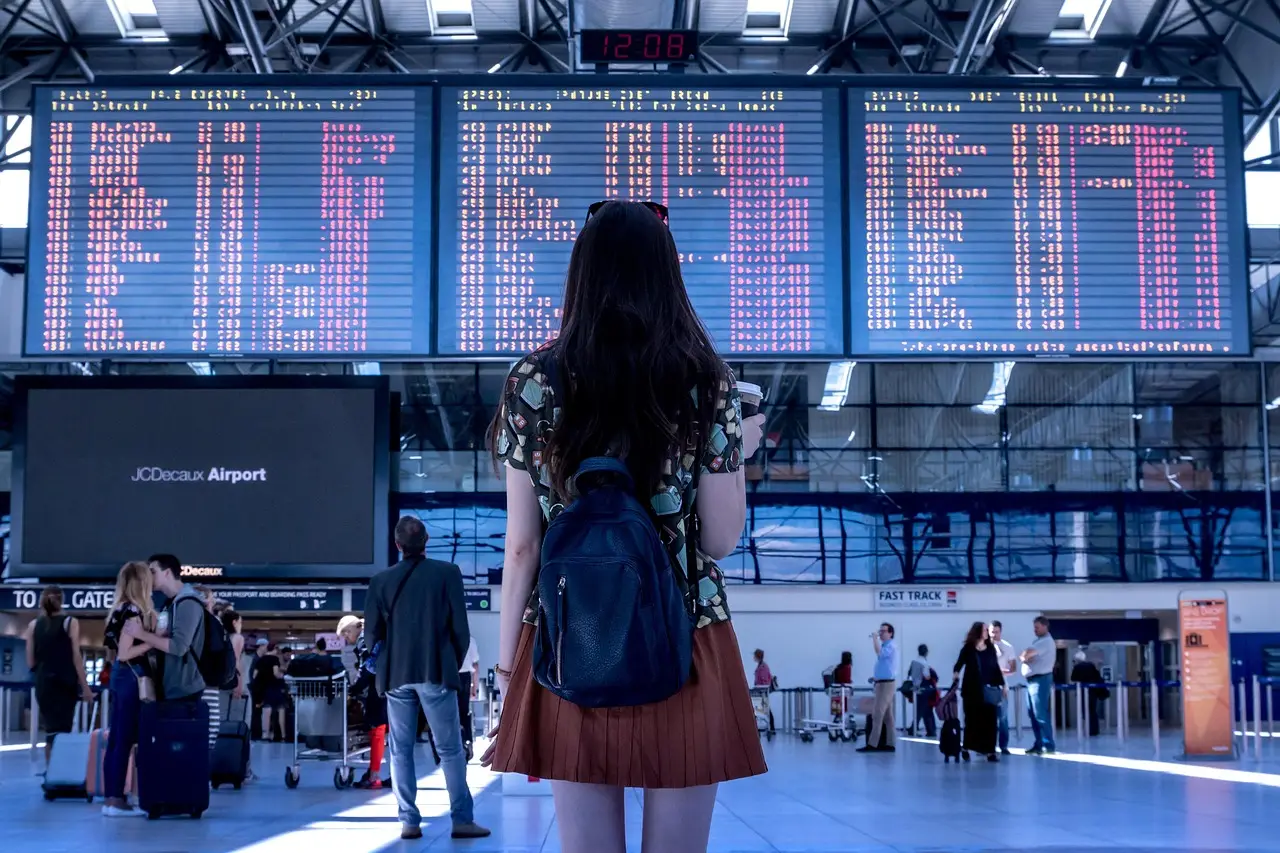
At 3:54 p.m. ET on Friday, November 13, the Federal Aviation Administration grounded every departing flight in America for extraordinary safety reasons. It was only the third nationwide ground stop, meaning an order barring departures: the first followed Sept. 11, 2001; the second came Jan. 11, 2023.
Transportation Secretary Sean Duffy described “a communication issue” affecting all 22 centers that guide aircraft, while technicians investigated. Homeland Security Secretary Markwayne Mullin offered no cause or near-term fix; airports sent travelers home and expected cancellations to continue for hours, potentially days.
By the fourth hour, 10,243 flights were delayed and 3,234 cancelled. Nationwide grounding indicated systemic breakdown rather than local airport disruption, unlike the January 2023 stop, which lasted about 90 minutes, delayed more than 10,000 flights and cancelled 1,300.
Microsoft’s outage began at 11:17 a.m. ET on Thursday and spread across 19 Microsoft 365 services in 74 countries, including Outlook, Teams and Copilot. Within an hour, Outlook complaints ran at more than 2,000 times normal levels; Microsoft counts more than 450 million paid commercial seats, leaving many millions locked out of inboxes.
The disruption reached institutions that depend on routine digital communication. It substantively incapacitated the U.S. House, left a federal appeals court unable to send or receive email, deprived Britain’s Parliament and National Health Service of access while threatening prescriptions, and took Australia’s spy agency and federal police offline.
Economic losses remain unquantified overall. The 2024 CrowdStrike update crashed 8.5 million machines and cost Fortune 500 companies an estimated $5.4 billion; one risk adviser put the Microsoft bill in the billions for Australia alone, before U.S. and global losses.
Both set unwelcome precedents: an unprecedented mass lockout, and a nationwide aviation stop without a satisfactory explanation or immediate fix.
Did China cause the outages?
No evidence presented establishes a common cause. Microsoft’s sequence deserves scrutiny: for a full day, the company maintained that it had seen no sign of malicious activity while its bulletins showed engineers did not know what had broken.
The company first blamed elevated load, then servers unexpectedly dropping out, and found no recent change matching the failure. Hours later, it rolled back a network change that did; on Friday afternoon, Microsoft blamed a flaw introduced during a network capacity upgrade, which it said was “not related to cyber.”
Engineers still sought the underlying cause of the traffic influx, leaving confidence without diagnosis and a technical explanation that did not fully explain the confusion.
The timing sharpened suspicion. Nvidia, already under scrutiny over board failures, announced Jensen Huang’s resignation on Thursday morning after he admitted an affair with a businesswoman whom U.S. officials suspected of spying for Beijing. Huang had championed chip sales to China.
Beijing called the allegation a smear; lawmakers from both parties sought testimony and tighter export controls. Within three hours, inboxes went dark from Capitol Hill to Canberra; one day later, planes stopped. The sequence resembles Beijing’s suppression of adverse news, but resemblance does not establish orchestration. The outages may reflect coincidental failure in aging systems.
China has used that playbook before:
- Change.org’s 2011 Ai Weiwei freedom petition went offline;
- Chinese blocks and hacker attacks hit Bloomberg and The New York Times in 2012 after exposés of Xi Jinping and Wen Jiabao’s family fortunes;
- a newspaper and voting site suffered one of the internet’s largest attacks during Hong Kong’s 2014 democracy marches;
- the Great Cannon, a web-traffic attack campaign, hammered GitHub for days in 2015 over banned news; and
- Telegram and LIHKG were swamped during Hong Kong’s 2019 protests, while Twitter searches
via fortune.com/feed/ (Source)
More from Sophie Lindqvist
Show full bio
Correspondent covering money, funding and market shifts around corporate strategy and chief-executive leadership at CEO Frontier.
302 articles
Adjacent sheets
- Microsoft and FAA's SMART Vendor Deny Role in Nationwide Ground Stop
- FAA Grounds Every US Flight in Rare Nationwide Ground Stop
- FAA Halts All US Departures as Air Traffic Control Outage Grounds Nation
- FAA ground stop cancels 2,000-plus flights, delays 10,000 more
- FAA Reopens US Airspace After Historic Nationwide Ground Stop