Field report W-13 / Q6 · sheet /operations
Operations & RestructuringFiled from the territory
Tyson sees FY2027 beef losses easing despite lower sales
Tyson Foods expects beef losses to narrow in fiscal 2027 as plant closures and Mexican cattle imports ease supply pressure, while companywide profit is forecast at $1.7 billion to $2.15 billion.
- Grid
- W-13 / Q6
- Surveyed
- November 20, 2026
- Reading
- 4 min read
- Correspondent
- Olivia Hart
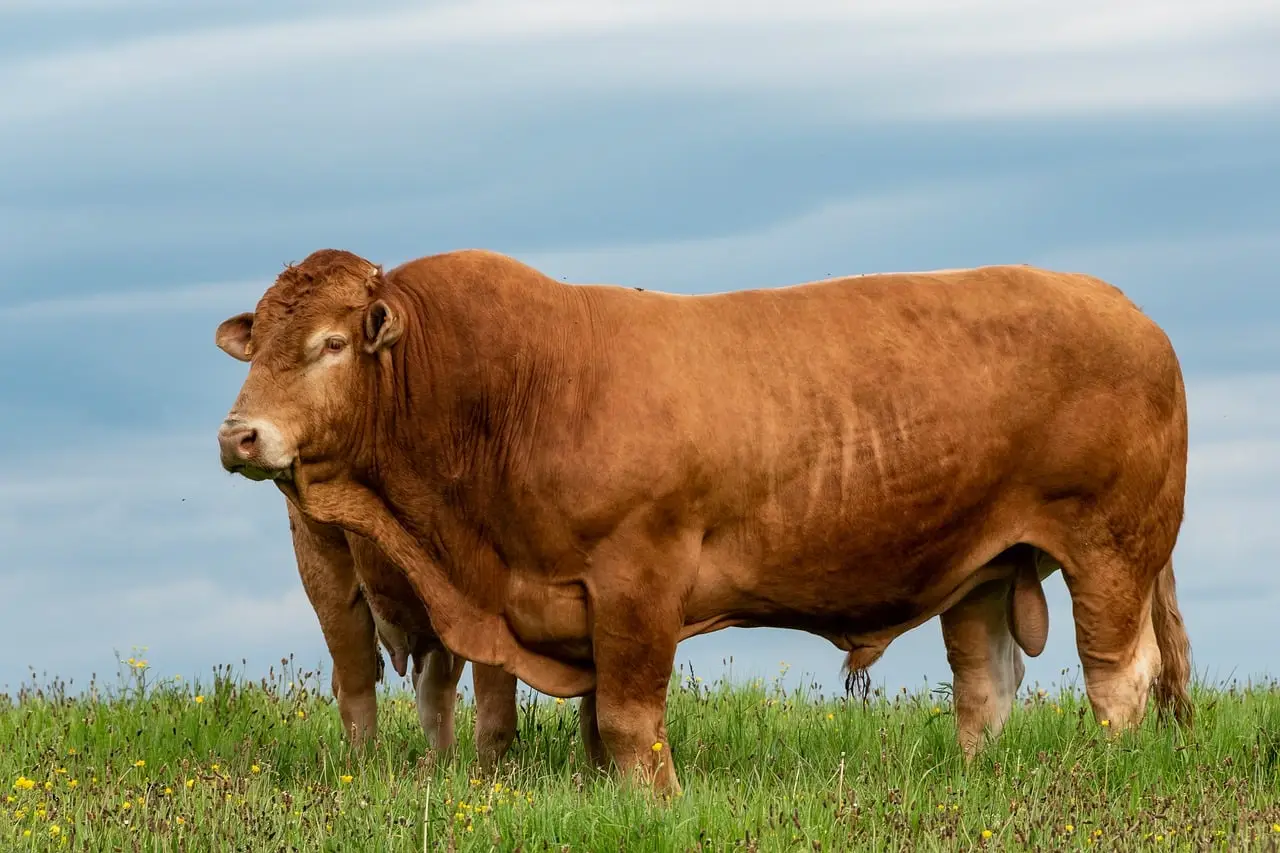
Field notes
- Tyson projects fiscal 2027 beef adjusted operating results of a $300 million loss to a $100 million profit.
- The segment lost $654 million in fiscal 2026 and $514 million in the fourth quarter ended Oct. 3.
- Companywide adjusted operating profit is forecast at $1.7 billion to $2.15 billion for fiscal 2027.
- Fiscal 2027 sales are expected to fall 3.5% to 5.5%, while domestic beef production is projected to fall about 2%.
- More than 80,000 head of cattle from Mexico have entered the US since late August.
By Olivia Hart
Tyson Foods forecast fiscal 2027 adjusted operating results for its beef segment of a $300 million loss to a $100 million profit, compared with a $654 million adjusted operating loss in fiscal 2026.
A full-year profit would mark the segment’s first positive year since 2023, Bloomberg reported. The forecast, announced Monday, depends on plant closures reducing cattle requirements and foreign shipments easing pressure on a tight US market.
At the company level, Tyson projected adjusted operating profit of $1.7 billion to $2.15 billion for fiscal 2027, against $1.98 billion in fiscal 2026. The range crosses last year’s result, leaving the group outlook sensitive to whether beef returns to profitability.
What does the fiscal 2027 forecast require?
Management’s forecasts set out four linked expectations:
- Beef segment: Adjusted operating results range from a $300 million loss to a $100 million profit.
- Company: Adjusted operating profit reaches $1.7 billion to $2.15 billion.
- Sales: Fiscal 2027 sales fall 3.5% to 5.5%.
- Domestic output: USDA projections cited by Tyson indicate US beef production decreases about 2%.
The projected sales decline comes mainly from reduced beef volumes as Tyson reshapes its plant network and contends with scarce cattle. Lower beef throughput, rather than companywide growth, therefore defines the top-line forecast.
How weak was the starting point?
Beef remained a drag in the fourth quarter ended Oct. 3. The segment lost $514 million on an operating basis, compared with $277 million a year earlier, while volume fell 6.0%. The larger loss and lower throughput set the operating challenge behind Tyson’s revised outlook.
In September, Tyson cut its fiscal 2026 profit forecast for the second time in about a month as beef losses widened. The company said at the time: "The restructuring should begin reducing operating cost pressures as it enters fiscal 2027." That statement places cost execution at the centre of the near-term recovery case.
How are closures and imports changing the supply equation?
Tyson is pursuing two supply levers at once. Its plant closures reduce the number of cattle required for remaining operations. Foreign shipments of live animals and ground beef are adding supply and improving the balance available for processing.
Together, those shifts are improving margins, Bloomberg said. Live cattle shipments from Mexico have resumed, with more than 80,000 head entering the US since late August.
For Tyson, those imports matter because domestic cattle supply remains scarce and USDA projects lower US beef production in fiscal 2027. The combination changes the operating math: closed capacity lowers Tyson’s cattle requirements, while imported animals and beef expand available supply. Together, they support the forecast for a smaller beef loss and potentially an annual profit.
What could disrupt the recovery?
The industry outlook remains uncertain. Typical retail prices for ground beef have stopped climbing near $7 per pound, Bloomberg reported. The plateau leaves no visible momentum for another immediate increase in retail prices.
Drought could force ranchers to send more animals to slaughter, adding cattle supply. Tyson’s margin recovery therefore depends on imported supply and restructuring savings arriving quickly enough to offset the roughly 2% projected drop in domestic output.
For practitioners, the key signal is not the headline profit range alone. Tyson expects sales to fall even as it seeks a return to annual beef profitability, so the forecast does not require a volume rebound. It instead relies on fewer cattle requirements, more imports and lower operating costs to deliver a better result from a smaller business.
The group forecast adds a second test. Adjusted operating profit could exceed $2 billion at the upper end of Tyson’s range, but the low end remains below fiscal 2026’s $1.98 billion. Beef’s first positive year since 2023 would restore a profitable segment, while the projected sales contraction remains a material constraint.
Overall, Tyson has narrowed rather than eliminated its beef problem. Its own actions supply the clearest path to a smaller loss: plant closures reduce cattle requirements, Mexican shipments expand supply, and restructuring is intended to ease costs. The unresolved cattle cycle, including drought and a roughly 2% production decline, leaves the recovery dependent on execution and timing.
via qz.com (Source)
More from Olivia Hart
Show full bio
News editor covering regulation, policy and their impact on corporate strategy and chief-executive leadership at CEO Frontier.
497 articles