Field report NW-70 / Q5 · sheet /operations
Operations & RestructuringFiled from the territory
Two aircraft collide at Miami airport after nationwide ground stop
Copa and UPS aircraft collided at Miami International Airport at 9:15 p.m. Saturday, injuring two, as the FAA investigated one day after a nationwide ground stop lasting over four hours.
- Grid
- NW-70 / Q5
- Surveyed
- November 16, 2026
- Reading
- 4 min read
- Correspondent
- Elena Vasquez
Field notes
- A Copa Airlines Boeing 737 wingtip struck a UPS Boeing 767 nose at about 9:15 p.m. Saturday at Miami International Airport.
- The collision injured two people; the Copa flight carried 166 passengers and six crew members.
- The FAA imposed a nationwide ground stop on Friday that lasted more than four hours.
- The previous two nationwide ground stops followed the September 11 attacks and a 2023 computer outage.
- An Amazon cargo plane overran a Miami runway just over two months earlier, killing five people.
By Elena Vasquez
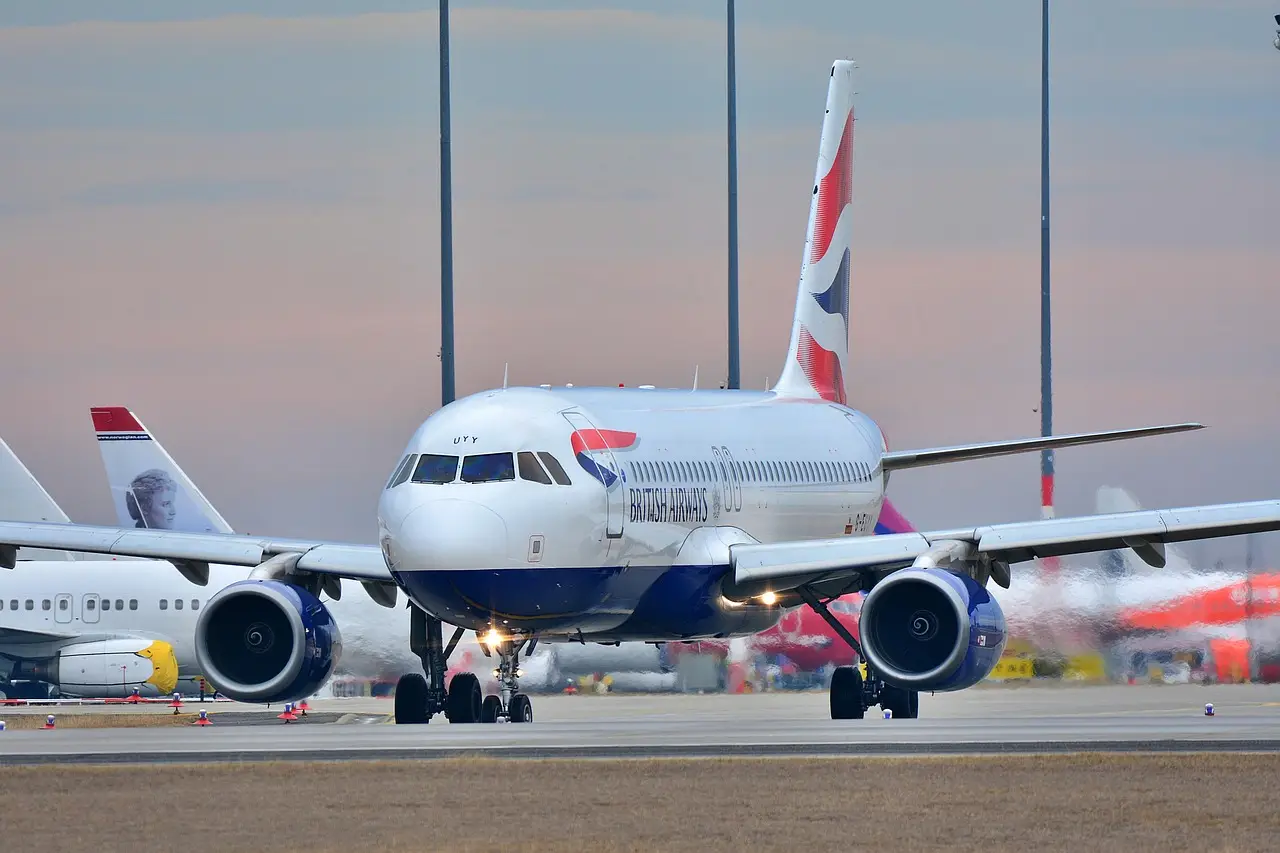
The FAA is investigating a collision between a passenger jet and a cargo plane at Miami International Airport that injured two people at about 9:15 p.m. Saturday, one day after the agency halted U.S. departures nationwide for more than four hours.
The aircraft were an arriving Copa Airlines Boeing 737 and a departing UPS Boeing 767. Greg Chin, the airport’s communications director, reported two injuries and said the incident caused no further impact on airport operations.
What happened at the taxiway intersection?
“The wingtip of a Copa Airlines Boeing 737 struck the nose of a UPS Boeing 767 while the airplanes were taxiing at Miami International Airport,” the FAA said in a statement.
“Air traffic controllers had told the UPS crew to give way to the Copa flight,” the FAA added. “The Copa flight was taxiing to the gate and the UPS flight was taxiing for departure to Bogota, Colombia.”
Chin placed the contact at the intersection of two taxiways. “At approximately 9:15 p.m., an arriving aircraft and a departing aircraft made contact with each other at the intersection of two taxiways,” he said. The airport reported no additional effect on operations after the collision.
The Copa flight had traveled from Panama City, Panama, with 166 passengers and six crew members, or 172 people aboard. Its route was taking it to a Miami gate, while the UPS aircraft was taxiing for departure to Bogota, Colombia.
The FAA account places the controllers’ give-way instruction at the center of that sequence. The agency had announced no cause or timetable for its findings.
The two aircraft were moving in opposite operational directions when contact occurred: one inbound and taxiing toward a gate, the other outbound and taxiing for departure. That makes the clearance and movement sequence relevant to the FAA inquiry.
What caused Friday’s nationwide ground stop?
The collision came one day after the FAA imposed a nationwide ground stop that prohibited flights from taking off for more than four hours. The restriction had occurred only twice before: immediately after the September 11 terrorist attacks and after a 2023 computer outage.
Transportation Secretary Sean Duffy attributed Friday’s stoppage to a disruption while an L3Harris contractor was upgrading a telecommunications line from copper wire to fiber-optic cable. Duffy criticized L3Harris, the FAA’s telecommunications provider, over the mishap that led to the ground stop.
Taken together, the two events put two separate operating risks in view on consecutive days: a communications disruption that grounded the national departure system and a local taxiway collision that injured two people. The first turned on communications infrastructure; the second turned on instructions and aircraft movements.
For aviation decision-makers, the distinction matters. The ground stop applied across all U.S. airports, whereas Chin reported that the Miami collision caused no further impact on airport operations. The footprint was therefore far broader on Friday, while Saturday’s event still produced two injuries through direct aircraft contact.
Why does the collision matter beyond the runway?
The collision was the latest incident at Miami International Airport this fall. It came just over two months after an Amazon cargo plane overran the airport’s runway and killed five people.
The two episodes involved different phases of aviation: the Amazon jet’s event involved a runway overrun, while Saturday’s contact occurred between two aircraft taxiing. Their proximity in time nevertheless makes the airport’s ground operations and safety performance a continuing operational question.
For the airport, the immediate business issue is continuity: Chin said the collision did not further affect operations. For the FAA, the immediate issue is cause: its statement sets out the aircraft movements and controllers’ instruction but reaches no conclusion about fault or prevention.
The wider timing also matters because air traffic remained in the national spotlight after Friday’s action, and Saturday’s collision placed taxiway coordination at the center of a second aviation disruption. The passenger jet and cargo aircraft were moving through the same airport environment when they made contact.
The FAA statement did not connect the collision to Friday’s telecommunications disruption, and no causal link between the two events has been established. The ground-stop background therefore provides operational context, not an explanation for the accident.
Until the FAA concludes its investigation, the decisive facts remain the 9:15 p.m. contact, the two reported injuries, the controllers’ give-way instruction and the absence of further operational impact.
via washingtonexaminer.com (Source)
More from Elena Vasquez
Show full bio
Staff writer covering companies, deals and strategy in corporate strategy and chief-executive leadership at CEO Frontier.
489 articles
Adjacent sheets
- FAA ground stop cancels 2,000-plus flights, delays 10,000 more
- United Airlines Resolves Systemwide Tech Outage That Delayed Departures
- FAA halts all US flights nationwide, citing 'extraordinary circumstances'
- FAA Reopens US Airspace After Historic Nationwide Ground Stop
- Delta CEO Blames FAA Ground Stop on Human Error and Faulty Equipment