Field report S-85 / P6 · sheet /strategy
Corporate StrategyFiled from the territory
The Warehouse targets $100m profit on data, discipline and automation
The Warehouse Group has pledged to rebuild operating profit to $100m from $22.6m, after CEO Mark Stirton admitted a decade of supply chain underinvestment.
- Grid
- S-85 / P6
- Surveyed
- November 6, 2026
- Reading
- 4 min read
- Correspondent
- Amara Osei
Field notes
- The Warehouse Group targets a return to $100 million operating profit, one of ten strategy goals, against $22.6 million reported in its last full-year result.
- CEO Mark Stirton admitted the group has invested nothing in its supply chain for more than 10 years.
- A goods-to-person automation system from Automate-X goes live at the North Island distribution centre in August 2027.
- Temu entered the New Zealand market in 2023, the same year the group last reported operating profit above $100 million.
- Forsyth Barr analysts Paul Koraua and Rohan Koreman-Smit warned delivery of the strategy faces a subdued consumer backdrop and legacy system replacement.
The Warehouse Group has set a target of returning operating profit to $100 million, unveiled at its investor day on Monday, against a reported operating profit of just $22.6 million in its last full-year result. Chief executive Mark Stirton presented the goal as one of ten targets within an updated three- to five-year strategy for the New Zealand retailer.
The gap is stark. The group last reported operating profit above $100 million in 2023, but profits of roughly that level were the norm for the 12 years prior, according to the company's results. Stirton, who took the top job in August last year, told the NZ Herald he believes the business can regain its previous high position in the New Zealand market with the right pieces in place.
What changed in the market?
The backdrop has hardened. Since Chinese e-commerce platform Temu entered the New Zealand market in 2023, coinciding with a cost-of-living crisis, local consumers have pushed to find bargains. Forsyth Barr analysts Paul Koraua and Rohan Koreman-Smit called the refreshed strategy sensible, but said delivery would be "more challenging given a subdued domestic consumer backdrop, historic[al] underinvestment in stores, and the need to replace legacy systems."
Stirton's plan rests partly on new quantitative data the group has commissioned. "No one in New Zealand has got anything close to it," he said. "It's come from bank data, so that's not our information, it's actually all of New Zealand. We've then taken this data and then divided over our base and created a combination of demographics and psychographics." The data (population segments split by demographic and psychological profiles) is being used to identify where opportunities lie, which categories hold the most potential and how to plan ahead.
How did buying go wrong?
Stirton acknowledged a disconnect under previous leadership between buying decisions and fiscal constraint. The company's earlier agile operating model (a decentralised management structure giving teams wide autonomy) gave buyers more influence than was ideal, he said.
"We were always very strong at home in apparel and we let that slide quite a lot, because it's hard and there's a lot of risk," Stirton said. "Unfortunately, when we went through that agile moment, we had a lot of buyers, so it's like your stockbrokers are changing every five minutes. You've got a gardening buyer now making bets on woman's underwear." He said the group must restore tension between buyers and fiscal limits, backed by a culture of accountability.
What happens to the brands?
Merchandising changes are also under way, covering both the wider company and in-house labels such as Living & Co and H&H. Stirton said those labels need a defined vision and direction over the next six to 12 months, citing Anko, Kmart's in-house brand, which has grown synonymous enough with the retailer to launch its own dedicated stores overseas. He defended Living & Co strongly, arguing that in blind testing between The Warehouse and Kmart, consumers would struggle to distinguish the two. Customers, he said, want "value for money" rather than "cheap" products, and presentation is key to that distinction.
Where is the supply chain fix?
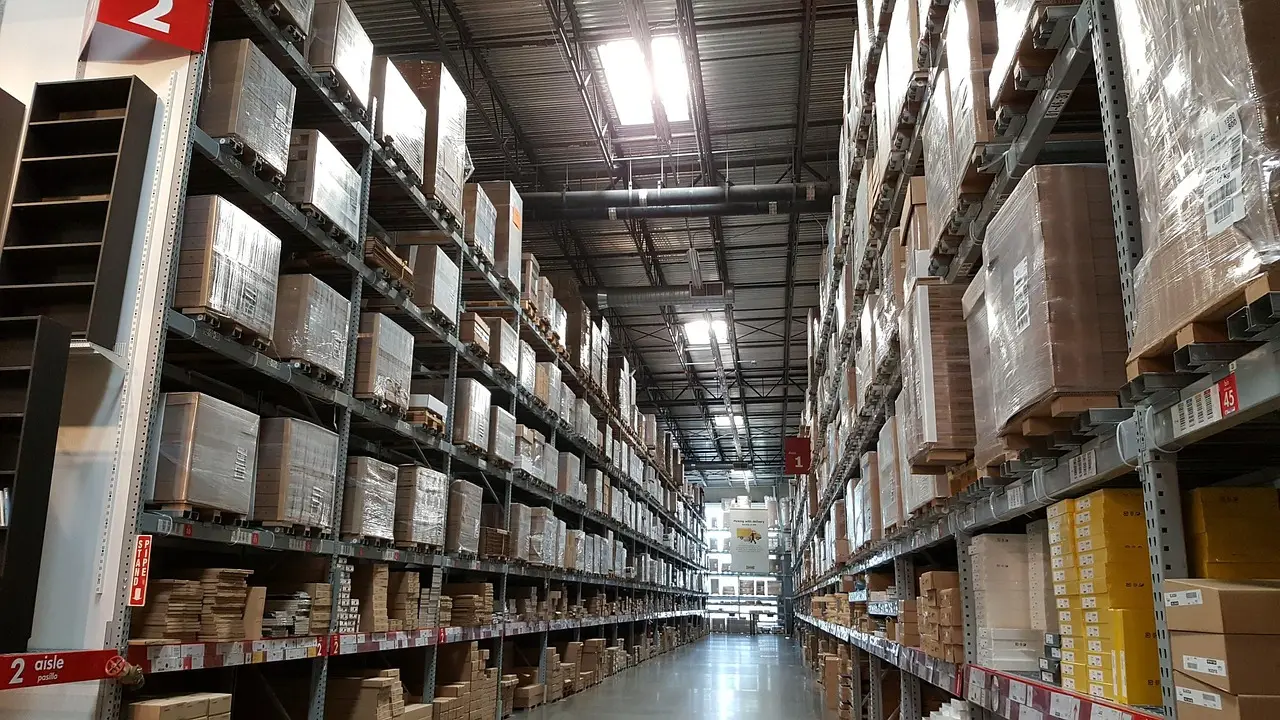
Stirton made a significant admission: "We've invested nothing in supply chain in the last, as far as I can see, for the last 10 years plus." He likened the problem to a car fault that keeps recurring without being fixed. The group is installing a goods-to-person automation system (robotics that bring items to warehouse staff) from Kiwi company Automate-X at its North Island distribution centre, set to go live in August 2027. Paired with electronic tags (RFID, radio-frequency identification chips tracking products), the technology is expected to lower costs, cut lost or damaged stock and reduce aged inventory in the network. Legacy systems around data entry and product enrichment also need replacement, and Stirton conceded the business had been "very poor" at mass data management on product attribution.
Who is Stirton answerable to?
Stirton referenced concerns from shareholders and company founder Sir Stephen Tindall about the state of the business, calling it his responsibility to address them. "For him it's personal because it's his business, it's his baby," Stirton said. "He wants The Warehouse to be at its best, and so I've taken a personal endeavour to make sure that beyond him, there's actually a business that endures another 45 years."
via Google News: CEO strategy (Source)
More from Amara Osei
Show full bio
Market editor covering people, launches and day-to-day practice in corporate strategy and chief-executive leadership at CEO Frontier.
85 articles
Adjacent sheets
- Hrdlicka's Endeavour strategy reveal leaves investors wanting more
- The Trade Desk to Cut 15% of Workforce in Restructuring
- Lindt Cuts CEO After Two Forecast Downgrades, Brings Back Former Chief
- Target sets three-pillar growth plan: grocery, partnerships, home reset
- 7-Eleven co-CEO sets M&A, wholesale agenda through 2030