Field report N-31 / J7 · sheet /strategy
Corporate StrategyFiled from the territory
SoftBank Posts $7 Billion Quarterly Loss on Data Center Write-Down
SoftBank swung to a $7.0 billion quarterly loss, its first in almost two years, after writing down $3.7 billion on power equipment for its U.S. AI data centers.
- Grid
- N-31 / J7
- Surveyed
- November 11, 2026
- Reading
- 3 min read
- Correspondent
- Olivia Hart
Field notes
- SoftBank posted a net loss of ¥1.115 trillion ($7.0 billion) for the quarter ended Sept. 30, its first quarterly loss in almost two years.
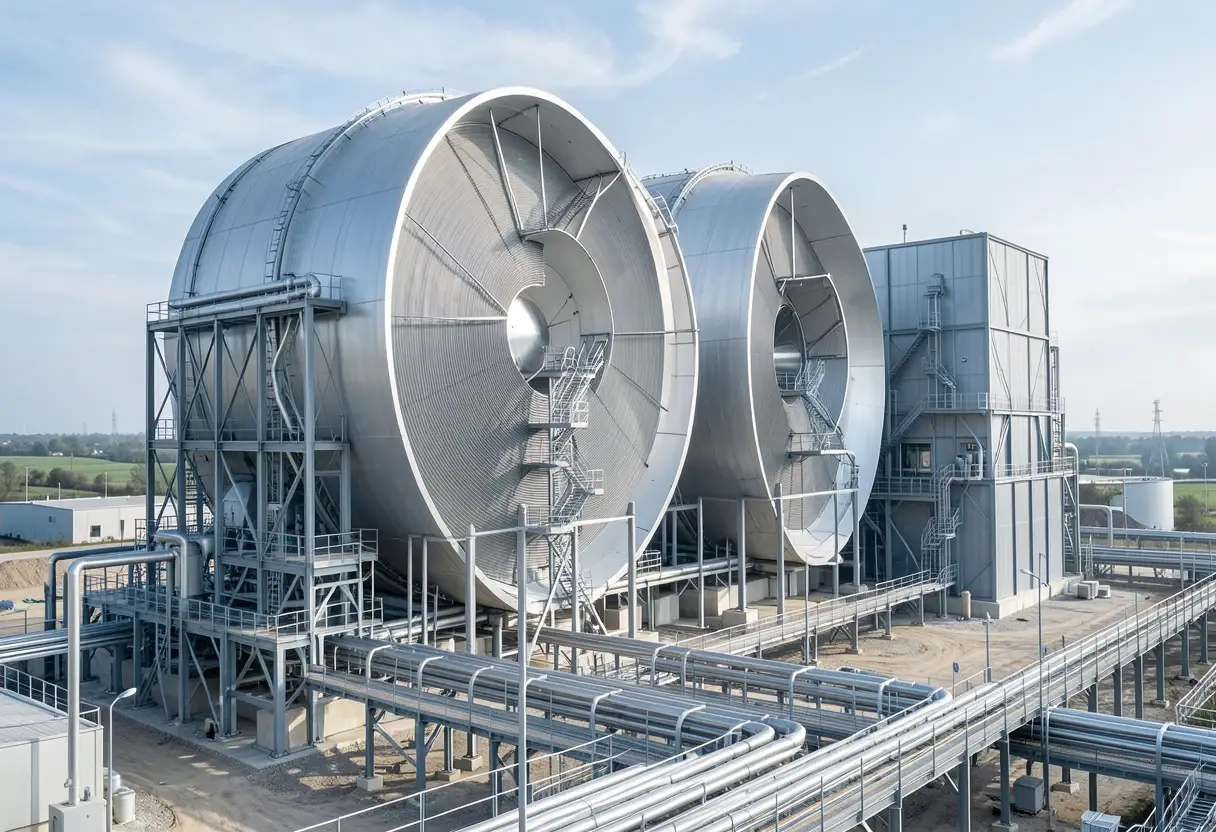
- The company booked a $3.7 billion charge on power-generation hardware for U.S. AI server campuses, including $2.9 billion of non-refundable advance payments.
- Advance payments for the PORTS-Pike project in Ohio and other sites totaled $9.5 billion, leaving a $6.6 billion balance as of Sept. 30.
- SoftBank recorded a ¥321.9 billion derivative loss tied to Intel shares after raising $7.4 billion via prepaid forward contracts in August.
- Shares rose 13.9% in Tokyo on Tuesday but remain more than 50% below their June record high.
SoftBank Group reported a net loss of ¥1.115 trillion ($7.0 billion) for the quarter ended Sept. 30, its first quarterly loss in almost two years, after writing down $3.7 billion on electricity-generating hardware meant for its AI server campuses across the United States.
The loss reverses a profit of ¥2.5 trillion a year earlier and lands well below expectations. Analysts had forecast a profit for the quarter, according to Bloomberg and The Wall Street Journal. For the six months ended Sept. 30, SoftBank posted a net loss of ¥768.0 billion ($4.8 billion), against net income of ¥2.92 trillion in the same period a year earlier.
What drove the write-down?
SoftBank said it paid in advance for the power-generation hardware because it feared supplies would run short as it raced to build AI infrastructure. After reviewing its project portfolio, the company revised its procurement strategy for that equipment.
The $3.7 billion charge covers two items:
- Non-refundable advance payments, of which $2.9 billion had already been paid;
- Modifications to signed contracts.
Chief Financial Officer Yoshimitsu Goto said on Tuesday that SoftBank had been in a rush to lock down the machinery, according to Bloomberg. He said the company is not planning to scale back its Ohio project, which he described as undergoing "a thorough reassessment" that covers how SoftBank buys equipment.
How much is still at stake?
The numbers around the power program give the clearest picture of what SoftBank has committed. Advance payments for the PORTS-Pike power generation project in Ohio and other sites totaled $9.5 billion. After the $2.9 billion loss recognized this quarter, the remaining balance stood at $6.6 billion as of Sept. 30, SoftBank said.
The company added that it is entitled to rebates of up to $2.1 billion on future equipment purchases, subject to certain conditions — a partial cushion, but one tied to spending yet to come rather than cash returned.
The Ohio site carries a 20-year lease with OpenAI covering 8 gigawatts of IT capacity, which makes the procurement rethink commercially significant rather than cosmetic. Gritting through a hardware buying error on a project of that scale changes how the margin on a decade-long commitment gets earned.
What else hit the quarter?
A second loss compounded the damage. SoftBank recorded a ¥321.9 billion derivative loss tied to a rise in Intel's stock price, after it raised $7.4 billion in August through prepaid forward contracts backed by Intel shares. The hedge worked as designed — cash came in — but the mark-to-market cost of the rally bit into the quarter.
Goto also addressed the broader investment climate. Data-center supply falls far short of demand, he said, and SoftBank's AI infrastructure buildout is progressing steadily, according to The Wall Street Journal. But he called this a poor moment for aggressive investment, citing falling stock markets and widening credit spreads.
"It is only natural that there is some discussion now about waiting and seeing how things play out for a little while," Goto told The Wall Street Journal.
What does the market reaction signal?
Investors appeared to look past the charge. SoftBank stock rose 13.9% in Tokyo on Tuesday ahead of the results. The rally comes off a weak base: the shares are down 12% this year and more than 50% below their June record high, according to Bloomberg.
For practitioners, the takeaway cuts two ways. The write-down shows the cost of prepaying for scarce power hardware when strategy shifts — $2.9 billion of sunk cash with no recovery path beyond conditional rebates. At the same time, the market's 13.9% rebound suggests investors read the loss as a one-off procurement correction inside a buildout that Goto insists continues, anchored by the OpenAI lease in Ohio.
via qz.com (Source)
More from Olivia Hart
Show full bio
News editor covering regulation, policy and their impact on corporate strategy and chief-executive leadership at CEO Frontier.
207 articles
Adjacent sheets
- CoreWeave Ties Funding to Contracts After Record Revenue
- Lucid Misses Q3 Estimates, Draws Further $1.75 Billion From Saudi Backer
- CoreWeave Earnings Beat Signals AI Demand, Debt Still Bites
- CoreWeave Stock Soars 23% as AI Cloud Results Beat Estimates
- CoreWeave's $3.66bn Quarter and Anthropic's $1.5tn Talk Lift AI Stocks