Field report NE-52 / M4 · sheet /operations
Operations & RestructuringFiled from the territory
Rigs-to-Reefs Explained: Why the Gulf Keeps Steel and the North Sea Removes It
U.S. law lets retired oil platforms stay as reefs; OSPAR rules force North Sea removal. The methods, the money and the unsettled science behind rigs-to-reefs.
- Grid
- NE-52 / M4
- Surveyed
- November 12, 2026
- Reading
- 5 min read
- Correspondent
- Olivia Hart
Field notes
- The National Fishing Enhancement Act of 1984 created the U.S. framework for converting oil platforms into artificial reefs.
- OSPAR Decision 98/3 bans leaving disused offshore installations in the North-East Atlantic; full removal is the default.
- A 2014 PNAS study found California platforms had some of the highest fish production per unit area of any marine habitat compared.
- U.S. partial removal requires at least 85 feet of water clearance above remaining steel.
- Louisiana (1986) and Texas (1990) run state rigs-to-reefs programs funded partly by operators' donation of removal savings.
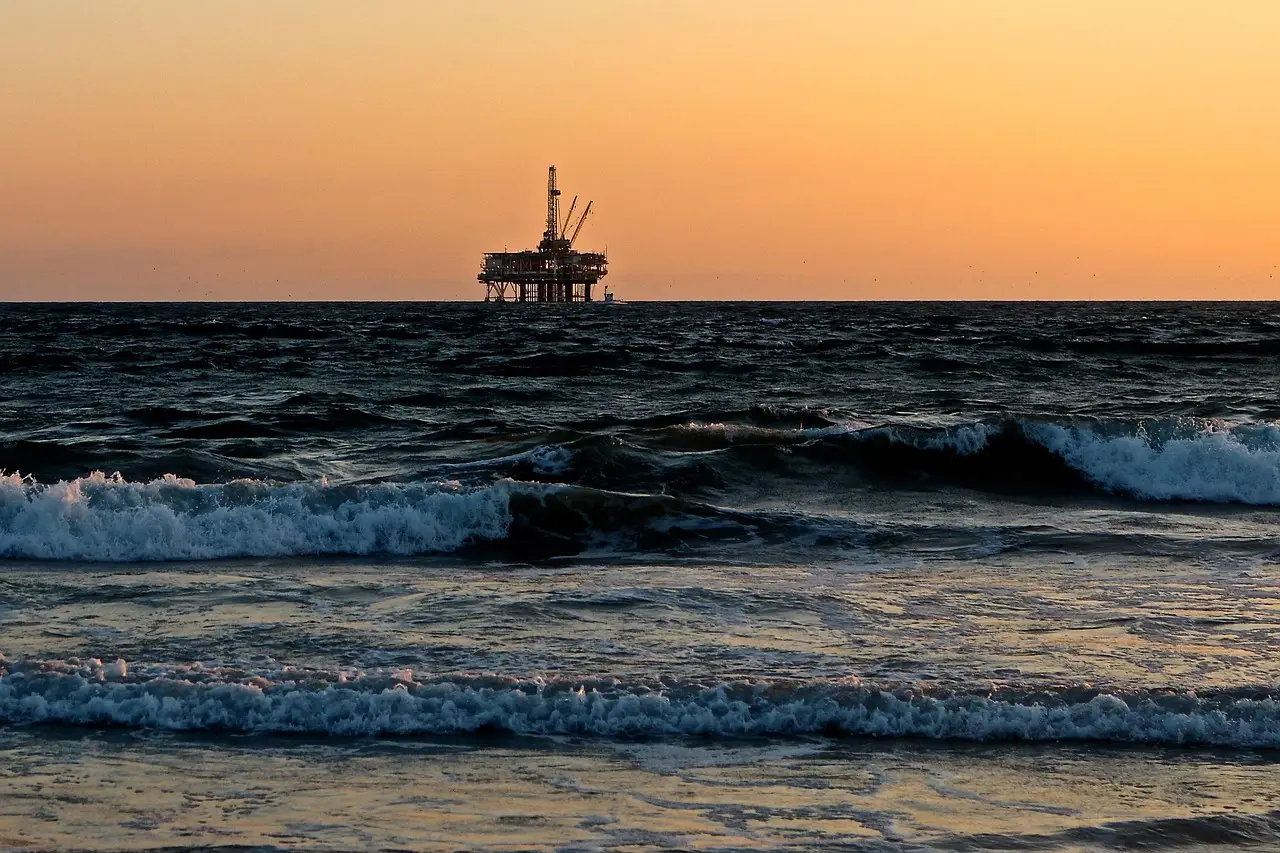
A platform retired from oil and gas production can be treated as waste in one ocean and as habitat in another. In the U.S. Gulf of Mexico, federal and state programs let operators leave platform steel in the sea as artificial reef. In the North Sea, OSPAR Decision 98/3 bans dumping or leaving disused offshore installations, making full removal the default. The difference lies in regulation, not engineering.
The rigs-to-reefs approach keeps some or all of a retired platform's steel in the sea instead of hauling it to shore for scrapping. Decommissioning forces the choice on every aging offshore field: the structure comes out of the water, or it stays where sponges, corals and fish have already settled on its legs. The decision touches shipping safety, fisheries, cleanup costs and who bears responsibility for the steel after production ends.
How does a platform become a reef?
An offshore platform has two basic parts. The topsides carry the deck, production equipment and crew quarters above the water. Below stands the jacket, a steel lattice of legs and cross-bracing reaching to the seabed. In any reef conversion, the topsides come off and go to shore; the jacket is what can stay.
Three methods exist:
- Partial removal. Crews cut the jacket at a set depth below the surface and take away the upper section. The lower part keeps standing where it was installed. U.S. practice keeps at least 85 feet of water above the remaining steel to clear passing ships, following the National Artificial Reef Plan.
- Tow-and-place. Crews free the whole jacket, tow it to a designated reef site and sink it there.
- Topple-in-place. The jacket is tipped over onto its side on the seabed, rising less far off the bottom than when upright.
Full removal, the alternative, takes the entire structure out of the water.
What makes conversion legal in the U.S.?
Congress passed the National Fishing Enhancement Act of 1984, which set up a national framework for artificial reefs and called for a National Artificial Reef Plan guiding how reefs are sited, built and managed. Retired platforms qualify as one type of reef material.
Louisiana created its Artificial Reef Program in 1986, managed by the Department of Wildlife and Fisheries. Texas Parks and Wildlife has run its own Rigs-to-Reefs program since 1990.
The Bureau of Safety and Environmental Enforcement, within the Department of the Interior, oversees decommissioning in federal waters and generally requires operators to remove platforms once they are no longer needed. Reef conversion is one approved exception, triggered when the operator donates the structure to a state program. The operator also typically donates a share of the money saved by not removing the platform entirely, funding the state's reef work. Each conversion involves three parties: the operator, BSEE and the accepting state agency.
California passed its own law in 2010 creating a framework for conversion. The framework lays out a legal path but does not by itself turn any platform into a reef.
What lives on the steel?
A 2014 study by Claisse and colleagues, published in the Proceedings of the National Academy of Sciences, measured fish production at platforms off southern California. The authors found the platforms had some of the highest secondary fish production per unit area of any marine habitat they compared — measuring new fish tissue generated over time rather than a head count on a single dive.
Milton Love of the University of California, Santa Barbara has studied California platforms for decades. His work documents juvenile rockfish, genus Sebastes, living on the structures — species targeted by commercial and recreational anglers on the West Coast. In the Gulf of Mexico, platform legs become covered with encrusting corals and sponges, which need hard surfaces and grow through the full depth of the water column.
Why does Europe say no?
OSPAR Decision 98/3, under the OSPAR Convention protecting the North-East Atlantic, bans leaving disused installations at sea. Limited exceptions apply mainly to the footings of very large steel structures and concrete installations. For most installations, the rule points to removal and disposal on land, covering U.K. and Norwegian sectors alike.
The 1995 Brent Spar dispute hardened that stance. Shell planned to sink the storage buoy in the deep Atlantic once it was no longer needed. Greenpeace campaigned against the plan; Shell dropped it and dismantled the buoy onshore instead. Rigs-to-reefs conversions in the North Sea remain rare.
Do reefs create fish or just collect them?
Scientists have not settled the attraction-versus-production debate. Production is more plausible for species limited by a shortage of hard habitat, where extra structure gives young fish places to settle and survive. Where food or spawning success caps a population, added steel more likely redistributes fish than multiplies them.
Attraction carries its own risk: a reef that concentrates fish in one known spot can make them easier to catch and speed depletion of a local stock. Red snapper sits at the center of this argument in the Gulf, gathering in large numbers around platforms while ranking among the region's most heavily fished reef species.
The steel can also host invaders. Orange cup coral, Tubastraea coccinea, native to the Indo-Pacific, has colonized Gulf platforms and competes with native corals and sponges for space; standing platforms can serve as stepping stones to new areas.
Critics argue that cost savings, not habitat value, drive rigs-to-reefs programs, since leaving steel in place is cheaper than hauling it ashore. Supporters point to the marine life already living on the legs. Long-term responsibility for structures left offshore also shifts with each conversion.
via qz.com (Source)
More from Olivia Hart
Show full bio
News editor covering regulation, policy and their impact on corporate strategy and chief-executive leadership at CEO Frontier.
207 articles
Adjacent sheets
- Galantas Gold locks in a Chile buyer and a $10 million line
- Nigeria Moves to Regulate Scrap Metal Trade to Stop Infrastructure Vandalism
- Transocean Appoints New CEO Under Internal Succession Plan
- FAA Clears First Gulf Drone Mission Beyond Visual Range
- Exxon to Cut 2,000 Jobs in Restructuring Spanning Canada and EU