Field report ·
Operations & RestructuringFiled from the territory
Remote makes five-hour AI course mandatory for 2,000 staff
Remote required roughly 2,000 staff to complete five paid hours of AI training, making “meeting expectations” in performance reviews conditional on compliance.
- Surveyed
- November 23, 2026
- Reading
- 4 min read
- Correspondent
- Amara Osei
Field notes
- Remote, the $3 billion HR platform, required roughly 2,000 employees to complete a five-hour AI course.
- The company provided five hours of paid company time for the free training.
- Skipping the course blocked a “meeting expectations” rating, CEO Job van der Voort said.
- Van der Voort said every employee completed the course after Remote issued the warning.
- Glean CEO Arvind Jain said workers do not need a 10-hour course to start using AI.
By Amara Osei
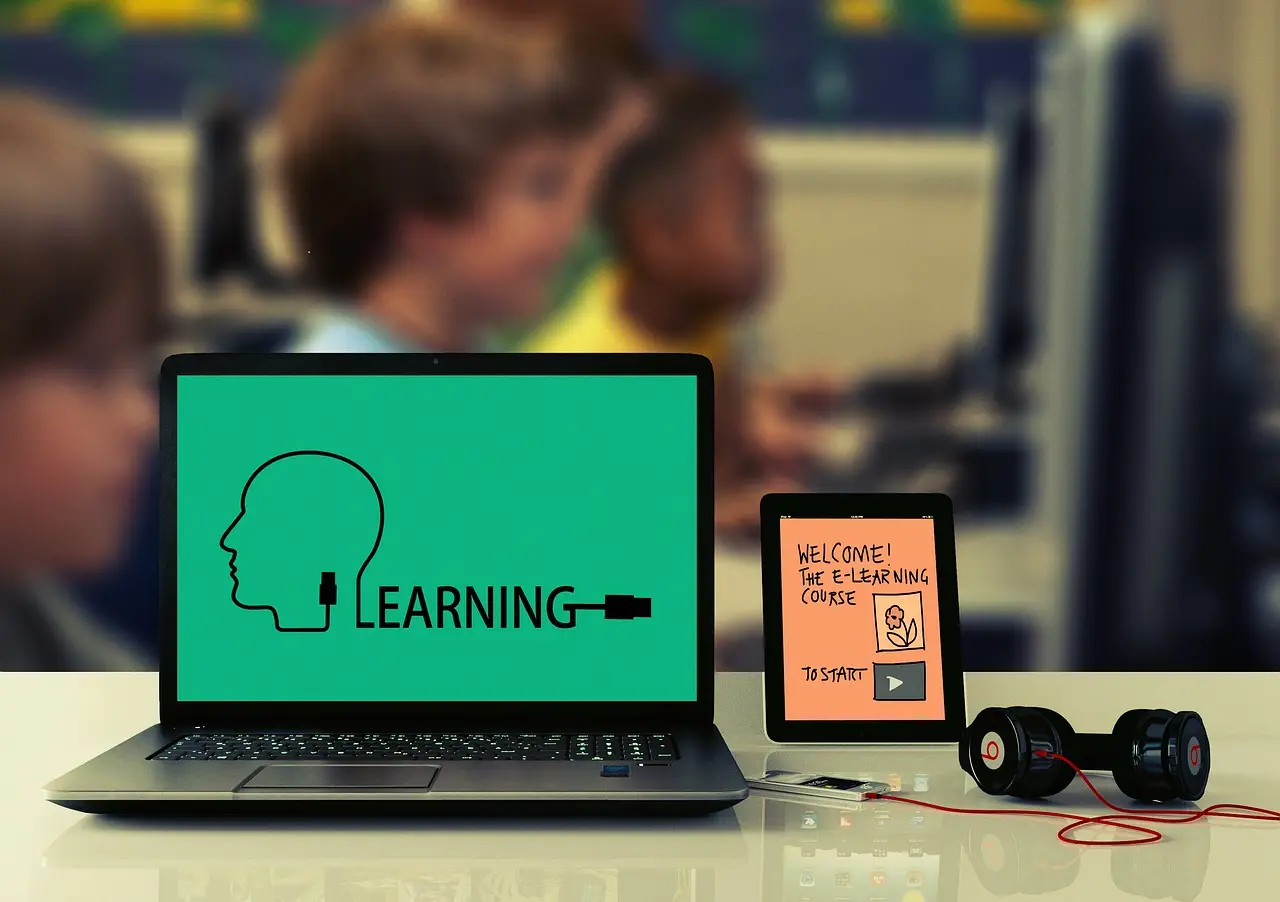
Remote required roughly 2,000 employees to complete a five-hour artificial intelligence (AI) course, linking participation to whether they received “meeting expectations” in performance reviews.
The $3 billion human-resources (HR) platform gave staff five hours of paid company time for the free training, then made non-completion consequential within its formal appraisal system.
CEO Job van der Voort said every employee completed the program after the company warned that skipping it would block the standard rating, according to a Nov. 22, 2026 Fortune report.
What does Remote’s training mandate require?
Remote’s structure sets four operating conditions. Each element converts access to instruction into an enforceable employment requirement.
- Five hours of paid company time for employees.
- Free access through the aiforactualwork.com course site.
- A mandatory first course for roughly 2,000 employees.
- A performance-review consequence for anyone who skipped the training.
Van der Voort launched the free AI crash course at aiforactualwork.com and made its first course compulsory across the workforce. The move formed the core of his effort to prepare approximately 2,000 employees for AI-driven work rather than allow technical skills to lag.
His rationale assigns employers responsibility for the people they hire. Companies set the new performance bar, so they should fund the training needed to meet it; they cannot assume that replacing existing staff will solve the AI skills gap.
Remote also made individual compliance non-negotiable. The company paired paid learning with a direct appraisal consequence, establishing that AI proficiency had become part of the expected job baseline.
Van der Voort said: “We became really clear. What we said is you have to do it, and if you don’t, you’re not going to get ‘meeting expectations’ in your performance review.”
He reported that the warning succeeded and every employee completed the course. That outcome gave Remote workforce-wide completion of its first module, according to the CEO.
How does the course change Remote’s work standards?
Van der Voort expects the training to raise the company’s foundational level of work. Employees should avoid basic mistakes and use AI when solving problems, rather than require managers to check whether a task is easy with AI.
That standard reflects his view that AI will run the world, making adaptation necessary for employers and employees. His instruction to workers whose employers do not provide paid training was direct: take Remote’s free course because it could help in a current role or a future job.
He described the learning requirement as limited, advising people to ask an AI system how to perform a task and follow its response. Workers have always adapted to major technologies, he said, citing mobile phones and computers as precedents.
Remote’s policy combines employer-funded instruction and formal accountability in one program. Five paid hours supply the opportunity, while the review condition assigns responsibility for using the training.
The company has therefore made AI proficiency an operating standard for approximately 2,000 employees, rather than an optional learning benefit. That decision places worker readiness inside the performance system, where non-compliance can affect the employee’s recorded rating.
Why must employers carry part of the AI training burden?
Van der Voort places firms ahead of individual workers in the adoption sequence. Companies hire staff and should therefore equip them with the AI proficiency those employers now require.
He also rejects the idea that employers can solve weak AI readiness by replacing their workforce, arguing that finding enough people skilled with AI would remain difficult. His position makes training a workforce-capability issue rather than an optional employee benefit.
Remote therefore applies responsibility at both levels: the company funds and mandates five hours of learning, and each of roughly 2,000 employees must complete it to avoid a lower performance rating.
Arvind Jain, CEO of Glean, offered a less prescriptive starting point for workers whose employers do not provide paid training. He said AI is not difficult and recommended direct use of tools such as Gemini or ChatGPT.
Jain told Fortune: “AI is not a difficult thing. You don’t have to sit through 10 hours of a course. Just go into one of these AI tools—whether you want to use Gemini or ChatGPT or whatever—and talk to them like a colleague.”
His advice lowers the entry threshold but does not replace Remote’s five-hour standard. For employees without company time, the free course remains available; for Remote’s approximately 2,000 staff, completion now carries an explicit performance consequence.
For workers, the practical choice is to complete free instruction before an employer makes participation a review condition. For employers, Remote’s five-hour model shifts the decision from whether to support AI learning to whether to make compliance measurable.
via fortune.com/feed/ (Source)
More from Amara Osei
Show full bio
Market editor covering people, launches and day-to-day practice in corporate strategy and chief-executive leadership at CEO Frontier.
552 articles
Adjacent sheets
- AI Training Startup Handshake Faces $64,000 in Contractor Pay Disputes
- PwC US Will Train 85,000 Staff in Critical Thinking by Mid-2027
- PwC’s $100 Million AI Certification Targets 85,000 Staff
- Companies replace blanket AI access with budgets and controls
- Meta Pivots 7,000 Staff Into AI Roles Amid Looming Layoffs