Field report ·
Operations & RestructuringFiled from the territory
Redwood Materials sorts old batteries with AI at 98% accuracy
Redwood Materials, founded by Tesla cofounder JB Straubel, built an AI sorting system in months that identifies batteries with over 98% accuracy and processes several tons per hour to recover lithium, nickel and cobalt.
- Surveyed
- November 22, 2026
- Reading
- 3 min read
- Correspondent
- Olivia Hart
Field notes
- Redwood Materials' AI sorting system identifies batteries with more than 98% accuracy, per the company.
- The system was built in a few months and handles several tons of batteries per hour.
- Redwood was founded by Tesla cofounder JB Straubel.
- The AI model was trained on Redwood's own battery data and runs on an on-site GPU cluster.
- The goal is recovering lithium, nickel and cobalt to reduce reliance on mining and imports.
Redwood Materials has put artificial intelligence to one of industry's least glamorous jobs: sorting mountains of used batteries. The company's automated sorting system identifies batteries with more than 98% accuracy, according to Redwood, and can process several tons of them every hour.
For practitioners in recycling and manufacturing, the numbers matter more than the novelty. Redwood, the battery recycling startup founded by Tesla cofounder JB Straubel, built the system in just a few months. It now runs on a cluster of on-site GPUs, using an AI model the company trained on its own store of battery data.
Why does sorting decide the economics of recycling?
Batteries arrive at recycling facilities in a jumble of boxes and bins. They come in all shapes and sizes, and they carry different chemical ingredients. Mixing up the wrong ones makes recycling less efficient and more expensive. Sorting, in other words, is the bottleneck that sits between a pile of scrap and a stream of recoverable material.
Redwood's system attacks that bottleneck directly:
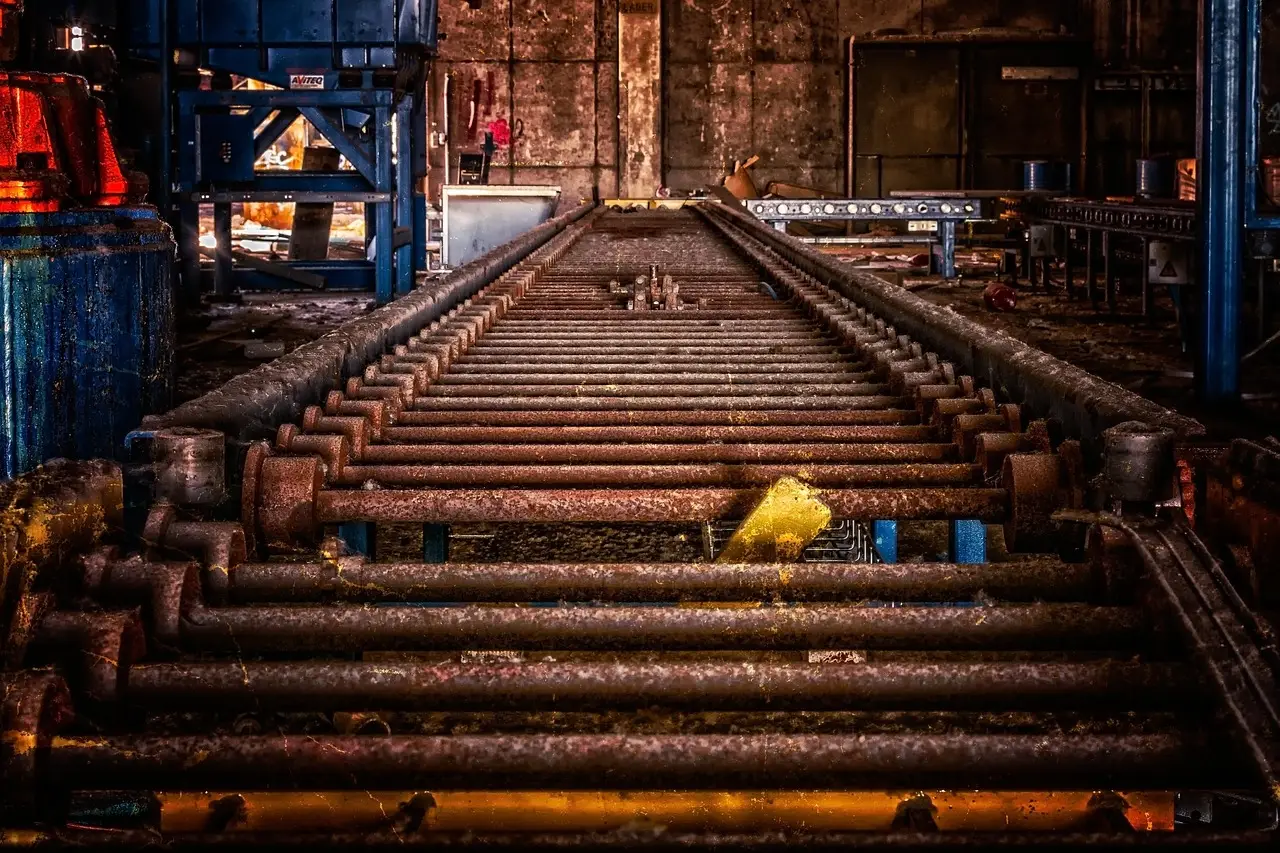
- Machines separate incoming batteries into a single-file line.
- Each battery passes through a tunnel equipped with cameras and sensors.
- The tunnel examines the battery's label, shape, and weight.
- The AI model classifies the battery and routes it to the right place for recycling.
The 98% accuracy figure is the company's own, but the design logic is clear: classification errors compound downstream, so the first step of the process carries the most leverage.
What does Redwood want to recover?
The end goal is material recovery. Redwood wants to reclaim valuable metals — lithium, nickel, and cobalt — rather than have American manufacturers rely so heavily on mining and imports.
That framing puts the sorting system inside a larger supply-chain strategy. Recycled batteries, in Redwood's vision, feed materials back into domestic production, including for the AI data-center boom that has multiplied demand for energy storage.
What does this change for manufacturers?
The project is a concrete example of AI applied to a messy industrial problem rather than a consumer-facing one. Computer vision and a trained model replaced a manual task that was slow, error-prone, and expensive at scale.
The build speed sets the benchmark: a few months from concept to a system handling several tons per hour. For plant operators weighing automation investments, Redwood's approach shows that a proprietary dataset — the company's voluminous battery data — plus on-site GPU compute can compress deployment timelines dramatically.
The broader stakes extend past one startup. If sorting and recovery costs fall, recycled lithium, nickel, and cobalt become more competitive against mined and imported feedstock. That could reshape procurement for battery makers and, by extension, strengthen the competitiveness of American manufacturing.
For now, the lesson for executives is straightforward. The highest-return AI projects in heavy industry may not be the flashiest. They sit at the physical choke points of a process — a conveyor line, a tunnel of cameras, a jumble of boxes — where a classification error costs money every hour, and accuracy above 98% turns waste into inventory.
via feeds.businessinsider.com (Source)
More from Olivia Hart
Show full bio
News editor covering regulation, policy and their impact on corporate strategy and chief-executive leadership at CEO Frontier.
575 articles
Adjacent sheets
- Redwood Materials cuts 10% of staff in pivot to energy storage
- Redwood scales retired EV batteries for AI power and a bigger market
- Hiab Buys Labrie Environmental Group in $1.035 Billion Deal
- AI’s $1.6 Trillion Bet Still Hits a 10-Year Materials Delay
- Harvard Study: Hyperscale Data Centers Now Outdraw Entire States