Field report ·
Expansion & MarketsFiled from the territory
Paytm QR Payments Go Live at 15,000+ ChargeZone EV Chargers
Paytm QR payments are live at more than 15,000 ChargeZone high-speed EV chargers across more than 1,200 Indian locations, giving drivers one app-based payment route before charging starts.
- Surveyed
- November 23, 2026
- Reading
- 3 min read
- Correspondent
- Olivia Hart
Field notes
- On 23 November 2026, Paytm announced QR payments at more than 15,000 high-speed ChargeZone points across 1,200-plus Indian locations.
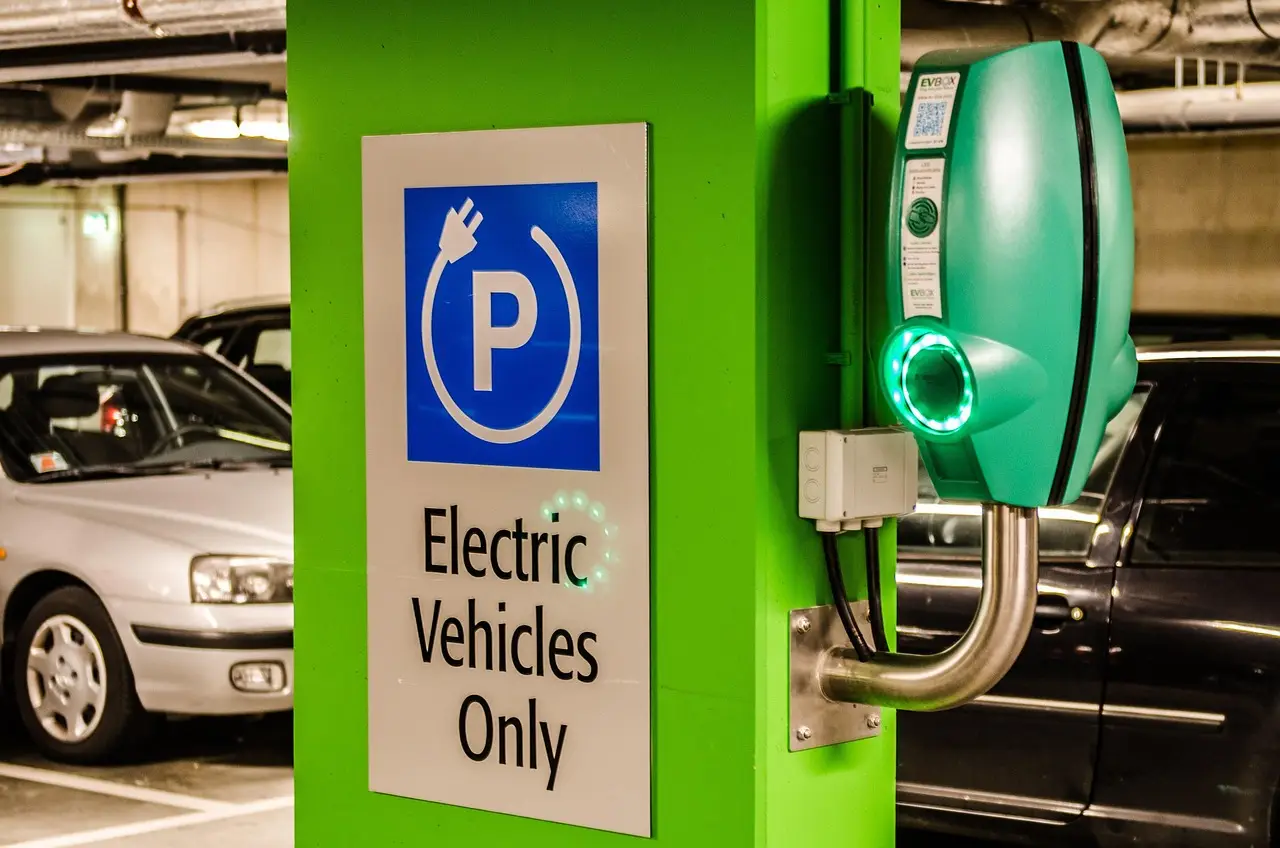
- At more than 15,000 participating chargers, drivers scan a dedicated Paytm QR and enter the amount in the app before charging starts.
- ChargeIndia connects Paytm with multiple charging networks through one integration.
- ChargeZone targets one million charging points by 2030.
- Paytm reported a Q2 FY27 profit of ₹225 crore.
More than 15,000 high-speed EV charging points across more than 1,200 locations in India now accept Paytm QR payments. One 97 Communications Limited, which runs Paytm, announced the ChargeZone partnership on 23 November 2026.
The rollout covers highways, cities and commercial hubs. It extends Paytm’s merchant QR model into a recurring payment category.
What did Paytm say?
A Paytm spokesperson said: “We pioneered QR based mobile payments in India, making them a part of everyday life. As electric mobility grows, our partnership with ChargeZone brings the same trust and convenience to EV charging payments across the country.”
What changes for EV drivers?
Drivers scan a dedicated Paytm QR code displayed at the charging point, enter the amount they want to spend and pay through the Paytm app. The charging session starts once payment succeeds, so drivers need neither a separate charging app nor a wallet balance with each operator.
For drivers, the practical gain is fewer setup steps before charging begins. For Paytm, each transaction adds volume within the operator’s wider network.
How does ChargeIndia fit the rollout?
The service runs through ChargeIndia, an EV-charging aggregation platform that connects Paytm with multiple charging networks through a single integration. ChargeZone is pursuing one million charging points by 2030, and Paytm says the partnership supports that target.
ChargeIndia gives Paytm one route into multiple charging networks. That supports expansion without a separate integration for every operator.
Why does EV charging matter to Paytm?
EV charging extends Paytm’s merchant QR franchise into a fast-growing use case that can produce recurring, higher-ticket payments on highways and in cities. Paytm already uses QR codes and soundboxes at neighbourhood shops. The partnership reuses that payment and merchant-acquisition model at a larger transaction size.
How does the UPI payment delay figure?
Fintechs are still waiting for a fresh date for the merchant discount rate on larger UPI merchant payments. The delay has hurt fintech incentives, while transaction growth in categories such as EV charging can deepen payment-app merchant relationships. Paytm can therefore add volume without waiting for that pricing framework to clear.
What else is Paytm investing in?
The move follows Paytm’s recent push to widen its business, including a ₹200 crore bet on Singapore’s Funding Societies and CardUp. Paytm also reported a Q2 FY27 profit of ₹225 crore. The charging partnership forms part of that broader diversification.
What does this change for EV adoption?
For drivers on inter-city trips, simpler payment at the charger removes one common point of friction. Charging access and finance remain central to wider EV adoption. Credit will be key to extending electric mobility beyond India’s top 100 cities.
The partnership does not solve the wider financing challenge. Drivers still need charging access and suitable credit, so this rollout addresses transaction friction rather than the complete economics of EV ownership.
What remains unspecified?
The announcement does not cover tariffs, charging speeds or charger availability. Those terms still vary by station and operator. The payment rollout therefore simplifies the transaction without making the wider charging proposition uniform.
Paytm’s move now reaches transport infrastructure rather than only neighbourhood commerce. ChargeZone adds a familiar payment option to its current network, while Paytm gains exposure to recurring highway and city spending. Both sides now share an integration as ChargeZone works toward one million charging points by 2030.
via bfsi.eletsonline.com (Source)
More from Olivia Hart
Show full bio
News editor covering regulation, policy and their impact on corporate strategy and chief-executive leadership at CEO Frontier.
591 articles
Adjacent sheets
- UPI MDR Has No New Start Date as Fintechs Wait Six Quarters for Incentives
- Uber and Mahindra to Put 5,000 Electric Autos on Indian Roads
- ₹5 UPI fee proposed for business payments; launch date still absent
- Green SM Targets Bengaluru and Chennai With VinFast-Backed Electric Taxi Push
- Bima Sugam motor insurance likely to launch with 5% fee