Field report NE-26 / R8 · sheet /expansion
Expansion & MarketsFiled from the territory
Nigeria Begins November 25 Upgrade of Apapa, Tin-Can Ports
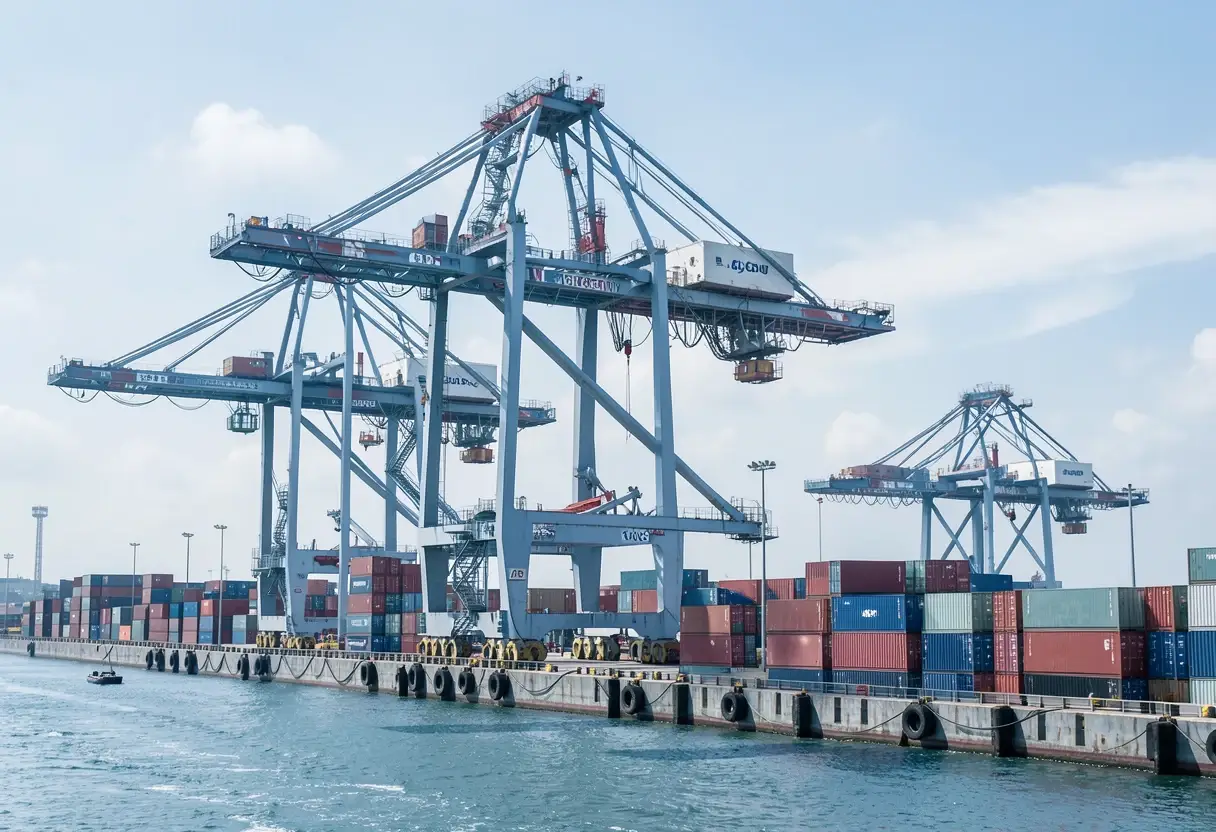
Nigeria will modernise Apapa and Tin-Can Island ports from November 25, targeting faster clearance at facilities that handle more than 70% of non-oil exports.
- Grid
- NE-26 / R8
- Surveyed
- November 16, 2026
- Reading
- 3 min read
- Correspondent
- Olivia Hart
Field notes
- November 25: Oyetola will lead groundbreaking and soil-turning ceremonies at both Lagos ports.
- More than 70%: Share of Nigeria’s non-oil export cargo jointly handled by Apapa and Tin-Can Island.
- About 50 years: Approximate period since the facilities had a major modernisation initiative of comparable scale.
- Six ports: The programme covers Apapa, Tin-Can Island, Warri, Onne, Calabar and Rivers.
More than 70% of Nigeria’s non-oil export cargo is handled at Apapa and Tin-Can Island ports. The federal government will begin modernising both Lagos port complexes on November 25.
Dr Adegboyega Oyetola, Minister of Marine and Blue Economy, will conduct the groundbreaking ceremony. He will also perform the official turning of the soil for both strategic projects.
The approval covers comprehensive rehabilitation, modernisation and upgrades. The programme targets faster clearance, higher port efficiency and stronger international trade competitiveness.
For the government, this marks a major effort to reposition the maritime sector. It also forms part of the stated transformation of national port infrastructure.
What changes at Apapa and Tin-Can?
A Monday statement from Dr Bolaji Akinola, special adviser to the minister, described the programme’s scope. It targets decades of infrastructure deficits, ageing facilities and bottlenecks across Nigeria’s busiest corridors.
Akinola called the approval a historic intervention. He described it as the first major modernisation of comparable scale in about 50 years.
The works should make both ports more efficient and technologically advanced. They should also strengthen commercial competitiveness as global shipping demands change.
Akinola said: “The project is designed to address decades of infrastructure deficits, ageing facilities, operational constraints and growing demands on the nation’s busiest port corridors.”
The programme should raise cargo-handling capacity and reduce vessel turnaround time. It should also shorten cargo dwell time, improve access and logistics, and strengthen safety and security.
Port users, investors and maritime stakeholders should gain a more conducive operating environment. Wider gains include greater trade capacity, easier exports and better cargo delivery.
For importers, exporters and shipping companies, the commercial test is clear. Shorter waits and more reliable onward movement would determine the practical value of the upgrade.
Nationally, the government expects the works to reinforce Nigeria’s position as a maritime and commercial hub. That ambition extends to its wider role in West and Central Africa.
Why is the programme moving beyond Lagos?
The federal government has approved modernisation work at four major seaports outside Lagos. They are Warri, Onne, Calabar and Rivers, within a broader national port programme. The programme seeks a balanced, efficient and globally competitive system.
Oyetola said: “Our objective is to build a modern, efficient and interconnected port system that serves every region of the country. While Apapa and Tin-Can Island remain critical to Nigeria’s international trade, we cannot afford to concentrate the nation’s maritime activities around Lagos alone.”
The four projects will complement the Lagos works and expand national cargo-handling capacity. Oyetola also expects them to promote balanced economic development beyond Lagos.
The six-port programme therefore reduces reliance on a single port corridor. That is the practical logic behind a national system rather than a Lagos-only expansion.
Oyetola described modern ports as indispensable to the federal government’s economic diversification agenda. The agenda seeks larger non-oil exports, stronger local industries and easier business operations. It also targets Nigeria’s position as a preferred destination for maritime trade and investment.
How will cargo reach inland markets?
The programme is expected to strengthen connections among seaports, roads, rail, inland waterways and dry ports. This integration forms part of a coordinated multimodal transport system.
Oyetola said the links should move cargo from production centres to domestic and international markets. He expects them to reduce transportation costs and improve the competitiveness of Nigerian goods.
For exporters and manufacturers, inland connections determine whether faster quayside handling lowers delivered costs. The upgrade must therefore work beyond the quayside.
The expected beneficiaries include port users, exporters, importers and shipping companies. Other maritime stakeholders should also gain as Nigeria seeks a larger role in regional and global trade.
via leadership.ng (Source)
More from Olivia Hart
Show full bio
News editor covering regulation, policy and their impact on corporate strategy and chief-executive leadership at CEO Frontier.
456 articles