Field report ·
Boardroom MacroFiled from the territory
Nearly 15% of Americans Bet on Inflation Above 15%, a Pace Unseen Since 1947
About one in six U.S. consumers expects inflation above 15% next year, a pace unseen since 1947, while the median expectation just fell to 3.7%, matching actual inflation.
- Surveyed
- November 22, 2026
- Reading
- 5 min read
- Correspondent
- Elena Vasquez
Field notes
- 16% of Michigan survey respondents in October expect prices to rise 15%+ next year; U.S. inflation last topped 15% in 1947.
- Median year-ahead expectations fell from 4.7% to 3.7% in November, matching September's actual 12-month inflation.
- Gasoline rose 37.4% in the 12 months through October; Brent briefly topped $117 a barrel amid the Iran war.
- About 9 in 10 midterm voters called cost of living a crucial or major factor; roughly 6 in 10 of them backed Democratic House candidates.
- The Fed held rates at 3.75%-4% on Oct. 28 after a September quarter-point hike; November CPI is due Dec. 10.
Nearly 15% of American consumers expect prices to rise more than 15% over the next year — an inflation rate the United States has not recorded since 1947, according to UBS chief economist Paul Donovan. The University of Michigan's October survey puts the share at 16%, about one in six respondents, and roughly unchanged from a year earlier, per the survey's own tables.
Donovan laid out the stakes in a Nov. 20 note titled "The benign inflation scenario." "Almost 15% of consumers expect (or claim they expect) inflation of over 15%," he wrote. That is faster than anything Paul Volcker's era ever delivered: inflation peaked just below 15% in early 1980, Federal Reserve history records, before Volcker's rate hikes broke it.
The typical household tells a calmer story. Median year-ahead inflation expectations "plunged from 4.7% last month to 3.7% this month," Michigan survey director Joanne Hsu said in the final November reading released Friday. That 3.7% matches actual inflation for the 12 months through September. The gap between the frightened tail and the median is the number anyone setting prices or wages should watch; in the late 1970s, expectations that detached from the data fed the inflation itself.
Why 15% is a once-in-79-years bet
Since consumer price records begin in 1913, 12-month inflation has cleared 15% in only two stretches, per BLS data compiled by the St. Louis Fed:
- On and off from 1917 to 1920, peaking at 23.7% in June 1920.
- November 1946 to June 1947, after postwar price controls came off, with a peak of 19.7%.
To hit 15% next year, prices would have to rise roughly four times as fast as the 3.7% pace of the 12 months through September.
What drives the fear?
Fed economists documented the bias in a 2016 note: consumers "tend to expect future inflation that is higher than official estimates of current inflation," partly because they remember increases more readily than cuts and weight frequently purchased goods. Households feel price levels, not rates — grocery prices were up more than 27% from five years earlier as of early 2025, the Minneapolis Fed noted, even as the inflation rate cooled.
Partisanship compounds it. Michigan's survey team found in 2024 that independents' expectations track the party out of the White House, and Hsu said "the overwhelming size and persistence of the partisan gap has generated substantial economic uncertainty."
Voters have already rendered a verdict. About 9 in 10 midterm voters called the cost of living a "crucial" or "major" factor, and about 6 in 10 of them backed Democratic House candidates, per the AP Voter Poll of roughly 100,000 voters. Republicans lost House, Senate and governor's races. About two-thirds blamed President Trump's policies for inflation; in 2022, only about half said the same of President Biden's. Roughly 6 in 10 voters were "very concerned" about grocery costs, about 1 in 5 reported severe family hardship from inflation, and among voters earning under $50,000, about 6 in 10 said they were worse off than two years earlier.
When were expectations this wrong before?
The record shows repeated misses:
- May 2008: Michigan's year-ahead expectations hit 5.2%, the highest since February 1982, as gasoline set records. Inflation reached 5.6% that July; by July 2009 prices were 2.1% lower year over year.
- April 2025: tariff announcements pushed expectations to 6.5%, the highest since 1981, with 60% of respondents volunteering tariff comments. The preliminary May reading hit 7.3%; actual inflation that April was 2.3%.
Why it feels like 1979 to one in ten-plus
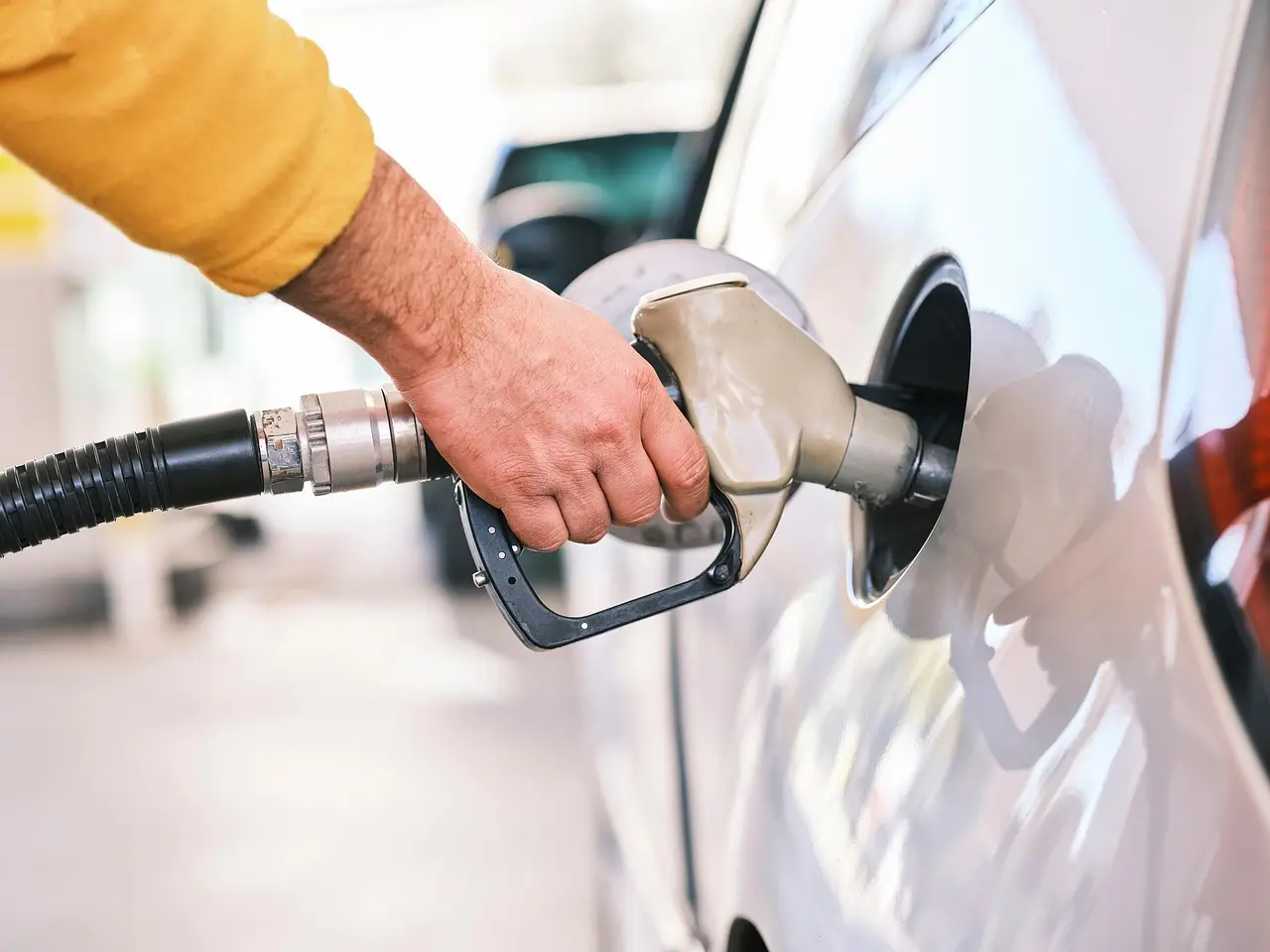
The parallels are visible at the pump. In 1979, the Iranian revolution cut output by 4.8 million barrels a day — about 7% of world production — and oil prices more than doubled between April 1979 and April 1980, per the Fed. This year it is the Iran war: Brent crude is up more than 60% from before the fighting, briefly topped $117 a barrel in late October, and U.S. diesel hit records in September. Gasoline rose 37.4% in the 12 months through October, the BLS reported, and airline fares rose again in October.
Donovan's argument: median inflation "has been falling to near pre-pandemic norms" while the visible costs — airfares, diesel-driven shipping — stem from the war. Fed researchers found in 2016 that households hear more price news when gas swings hard.
Why it isn't 1979, yet
Consumer prices rose 13.3% in 1979 and 12.5% in 1980. This October, BLS reported 0.4% monthly headline inflation and 0.3% core; the annual rate could not be published because the shutdown left no October 2025 base data. Bank of America estimates roughly 3.8% headline and 2.7% core.
Michigan's median household expected 9.7% in both 1979 and 1980 — an underestimate. Boston Fed researchers Philippe Andrade and Michael Wicklein found in 2025 that the 1978–80 surge in expectations exceeded what rising prices alone would imply by more than 5 percentage points, gasoline explaining about one point. That de-anchoring is what Volcker ground out, taking the fed funds rate from 10% to 19% while unemployment topped 10%. Today's Fed raised a quarter point in September and held at 3.75% to 4% on Oct. 28, with two officials voting for another hike.
Donovan's frightened minority is expecting more than the Volcker era ever delivered; the median household expects 3.7%. The November CPI, due Dec. 10, delivers the next verdict.
via fortune.com/feed/ (Source)
More from Elena Vasquez
Show full bio
Staff writer covering companies, deals and strategy in corporate strategy and chief-executive leadership at CEO Frontier.
631 articles
Adjacent sheets
- Gold Drops Nearly 3% as Fed Hike Bets Lift Dollar Above 103
- Dollar Index Eyes 104.64 as US Inflation Reignites Fed Hike Bets
- October inflation outpaces forecasts, complicating Fed rate path
- Fed minutes show wages lagging inflation by nearly 2 points
- Stocks slide as core CPI exceeds forecasts, keeping Fed hike risk live