Field report NW-52 / P5 · sheet /expansion
Expansion & MarketsFiled from the territory
Kia Commits $2 Billion to Andhra Pradesh, Lifting Capacity to 6.3 Lakh Units
Kia India will invest $2 billion (₹17,700 crore) in Andhra Pradesh, raising annual capacity from 4.3 lakh to 6.3 lakh vehicles and creating about 12,000 jobs.
- Grid
- NW-52 / P5
- Surveyed
- November 13, 2026
- Reading
- 3 min read
- Correspondent
- Olivia Hart
Field notes
- Kia India announced a $2 billion (₹17,700 crore) investment in Andhra Pradesh on November 12, 2026.
- Annual production capacity will rise from 4.3 lakh to 6.3 lakh vehicles, a 46.5% increase.
- The project is expected to create approximately 12,000 jobs; no timeline has been disclosed.
- Kia posted record October 2026 wholesales of 33,462 vehicles, up about 13.2% year on year.
- Suppliers Hwashin, Seoyon and Iwamet committed ₹1,614 crore to the Anantapur region.
Kia India will invest approximately $2 billion (₹17,700 crore) to expand manufacturing in Andhra Pradesh, lifting annual production capacity from 4.3 lakh to 6.3 lakh vehicles — a 46.5% increase over the current baseline.
Gwanggu Lee, Managing Director and CEO of Kia India, announced the investment at the 31st CII Partnership Summit in Visakhapatnam on November 12, 2026. The proposed project is expected to generate around 12,000 jobs and reinforce Andhra Pradesh's position as an automotive manufacturing destination.
What does the expansion change on the ground?
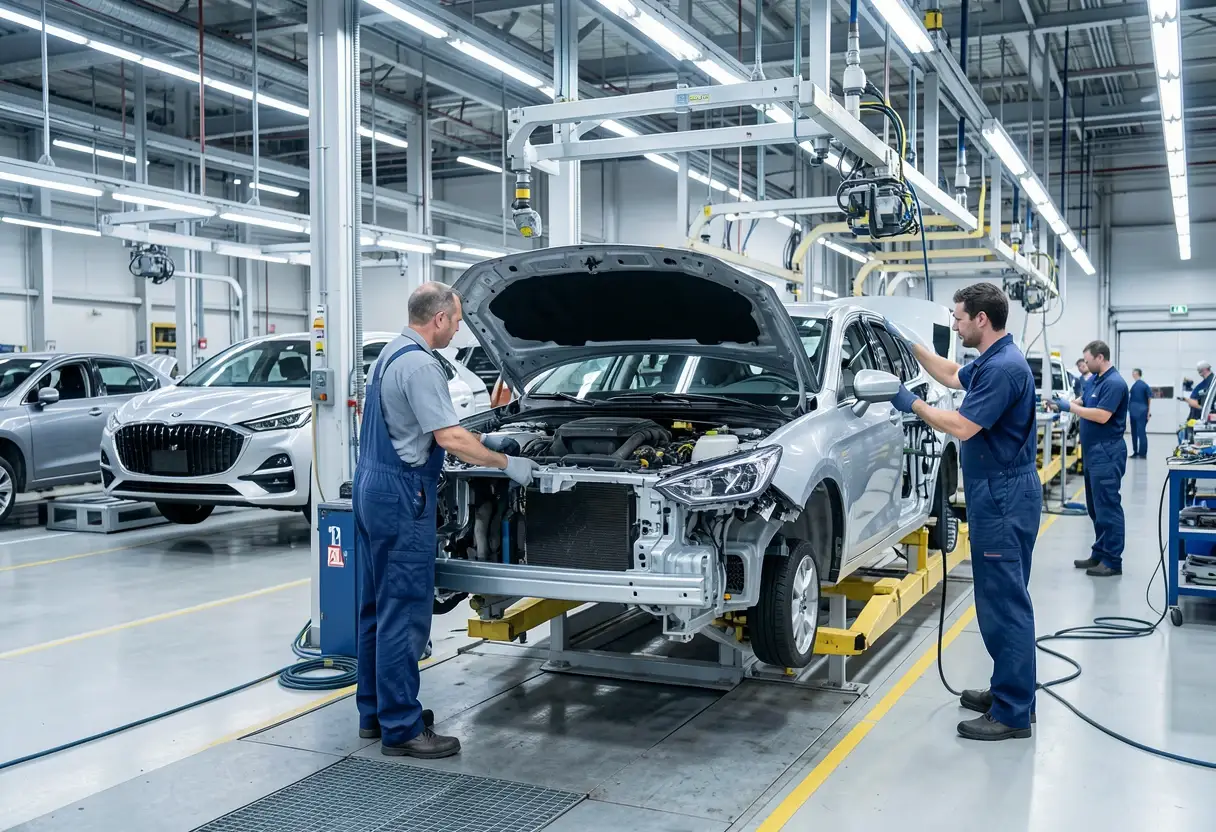
The addition of 2 lakh units per year marks Kia's second major build-out phase rather than continued reliance on its existing plant. The company manufactures at Anantapur, a facility that has carried the brand since the Seltos launched in 2019 and now serves both domestic sales and exports.
For practitioners, the key figures sit in one table:
- Investment: $2 billion (₹17,700 crore)
- Capacity addition: 2,00,000 vehicles annually
- Total capacity target: 6,30,000 vehicles annually
- Existing base: Anantapur, Andhra Pradesh
- Jobs expected: approximately 12,000
- Project timeline: not yet disclosed
Kia has not announced a construction schedule, commissioning date, phased ramp-up plan or model-wise capacity allocation. Those details will determine when the additional volume actually becomes available.
Why does Kia need the extra volume now?
The announcement lands on the back of record momentum. In October 2026, Kia India dispatched 33,462 vehicles domestically — its highest-ever monthly wholesales, up roughly 13.2% year on year.
During January–October 2026, the company dispatched approximately 2.86 lakh vehicles, already surpassing its entire calendar-year 2025 volume of about 2.80 lakh units. The Seltos, Sonet and Carens family anchor that performance.
Kia is targeting approximately 4.1 lakh annual domestic sales by 2030, so added capacity directly supports that trajectory. Three factors shape how the automaker will likely deploy it:
- Domestic demand: supporting higher volumes across its SUV and MPV portfolio.
- New product introductions: flexibility for future models and powertrain technologies, including hybrids and electric vehicles as the market diversifies beyond petrol and diesel.
- Exports: strengthening India's contribution to Kia's global production and distribution network.
How is the supplier ecosystem responding?
Kia's announcement runs alongside fresh commitments from three South Korean component manufacturers in the Anantapur region:
- Hwashin: ₹850 crore
- Seoyon: ₹514 crore
- Iwamet: ₹250 crore
- Total: ₹1,614 crore
These supplier projects are expected to create approximately 1,418 jobs. Proximity to component makers could help Kia cut logistics costs, improve supply-chain efficiency and raise localisation across future vehicle programmes. Combined with the vehicle plant expansion, the investments deepen Anantapur's emergence as an automotive production cluster.
What are the risks behind the headline number?
The expansion sharpens Kia's ability to compete with Maruti Suzuki, Hyundai, Tata Motors, Mahindra and Toyota across India's passenger vehicle segments. But capacity alone does not guarantee sales.
Product competitiveness, pricing, demand, distribution reach and export opportunities will decide whether the expanded facility runs at adequate utilisation. Kia's relatively short operating history in India — just over seven years since the Seltos launch — makes the pace of this commitment notable.
The next milestones to watch are concrete: the project's implementation schedule, the confirmed capacity baseline and future model allocation for the additional lines. Until those land, the $2 billion figure defines intent rather than a dated production plan.
via autopunditz.com (Source)
More from Olivia Hart
Show full bio
News editor covering regulation, policy and their impact on corporate strategy and chief-executive leadership at CEO Frontier.
207 articles
Adjacent sheets
- Kia to build KRW 3 trillion EV plant and mobility testbed in Gwangju
- Kia India Dispatches Hit 33,462 Units as Seltos Jumps 88%
- AISIN Confirms New India Manufacturing Plant in Expansion Push
- Toyota steps up India push with new SUVs and rural drive
- Kia Charts Exponential Growth Path at 2026 CEO Investor Day