Field report ·
Expansion & MarketsFiled from the territory
Jubaland inaugurates Kismayo port phase amid Somalia’s UAE dispute
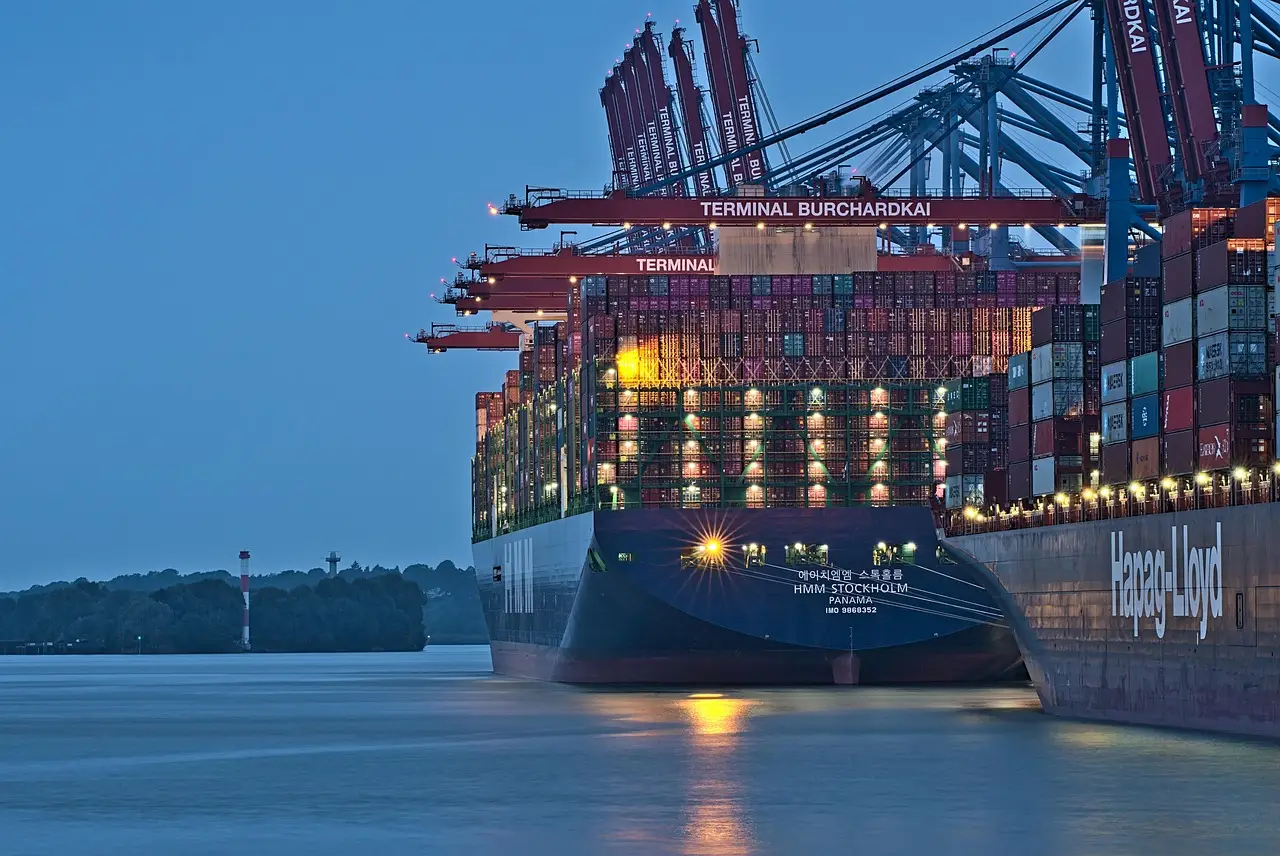
Jubaland inaugurated the first phase of Kismayo Port modernisation on November 18, exposing a federal-regional split as Somalia’s president accused the UAE of backing regional administrations.
- Surveyed
- November 23, 2026
- Reading
- 5 min read
- Correspondent
- Elena Vasquez
Field notes
- Jubaland inaugurated the first phase of Kismayo Port modernisation with AD Ports Group on November 18.
- The Africa Center for Strategic Studies estimates UAE commitments to Somali ports and infrastructure at about $613 million.
- Mogadishu cancelled all UAE agreements on January 12, 2026; Jubaland, Puntland and Somaliland rejected the move.
- A renewed Somalia-UAE security agreement followed Hassan Sheikh’s return in May 2022, with the accord signed in February 2023.
- Four Emirati personnel and one Bahraini officer died in the February 10, 2024 attack at General Gordon base.
By Elena Vasquez
Jubaland inaugurated the first phase of the Kismayo Port modernisation on November 18, part of an Emirati-backed engagement that the Africa Center for Strategic Studies estimates at about $613 million across Somali ports and infrastructure.
The wider project covers modernised port infrastructure, renovated administrative facilities, greater operating capacity and upgraded trader services. Abu Dhabi-based AD Ports Group partners Jubaland to connect local businesses with regional and international markets.
Port investment can create trade, jobs and market access in a country struggling with unemployment, weak infrastructure and insecurity. That logic sits against President Hassan Sheikh Mohamud’s claim that Abu Dhabi is financing political fragmentation.
What does the port opening change?
In a November 17 televised address, Hassan Sheikh accused the UAE of “interfering in Somalia’s internal affairs, supporting armed groups, establishing military facilities outside federal control and financing regional administrations opposed to Mogadishu.” He also called Berbera, Bosaso and Kismayo “national assets” that should fall under the Federal Government’s authority.
The UAE ended its Somali military training programme in April 2018 after $9.6 million was seized from an Emirati aircraft at Mogadishu airport. Hassan Sheikh returned to the presidency in May 2022, succeeding Mohamed Abdullahi Farmaajo, and reopened ties with Abu Dhabi.
Before the rupture, the UAE had trained thousands of Somali soldiers, paid their salaries and built training and medical facilities. After Hassan Sheikh’s return, Emirati instructors returned, and the governments signed a renewed security cooperation agreement in February 2023.
The Washington Institute for Near East Policy documented renewed Emirati aid to federal and regional forces. The chronology asks why Mogadishu restored a partnership it now portrays as a campaign against Somali sovereignty.
In December 2024, Hassan Sheikh issued a decree renaming the General Gordon military training base in Mogadishu after Emirati Colonel Mohamed Mubarak Al Mansouri. Four Emirati personnel and one Bahraini officer had died there in the February 10, 2024, Al-Shabaab attack.
The original name honoured Somali Major General Mohamed Ibrahim Farah, killed by Al-Shabaab in 2012. The decree drew domestic criticism because it replaced a Somali national figure with a foreign officer, but Hassan Sheikh proceeded.
Commemorating that sacrifice served the government’s security interests then. Treating the same UAE presence as an existential threat now exposes the distance between partnership and political convenience.
What changed in January?
The UAE’s regional footprint extends beyond Jubaland. It has helped develop Bosaso Port in Puntland, modernise Berbera Port in Somaliland and support Jubaland’s security forces, military equipment and infrastructure.
The Africa Center for Strategic Studies estimates Abu Dhabi committed about $613 million to Somali ports and infrastructure, including substantial support for Bosaso Port and the Juba Sugar Factory. The relationship predates the dispute and was not built to frustrate the presidency.
On January 12, 2026, Hassan Sheikh’s government cancelled all agreements with the UAE, including arrangements covering Kismayo, Bosaso and Berbera. Jubaland, Puntland and Somaliland rejected the move the next day, saying Mogadishu could not unilaterally void deals made by their administrations.
Reuters reported on January 13 that all three regions intended to maintain cooperation with Abu Dhabi. The Kismayo inauguration shows the cancellation did not stop work on the ground or end Jubaland’s commercial relationship with AD Ports.
For Jubaland, the priorities are trade infrastructure, development and opportunities for residents. Its administration sees no reason to end an investment programme because Mogadishu has entered a political confrontation with the same partner.
Can sovereignty and regional investment coexist?
The president’s allegations require legal and factual scrutiny. Every foreign security arrangement must respect Somalia’s constitution, sovereignty and applicable law, and credible evidence should determine accountability; diplomatic hostility cannot substitute for proof.
Yet Somalia’s institutional crisis predates the dispute. Constitutional amendments, disputes over federal power-sharing, strained relations with Puntland and Jubaland and the absence of a credible electoral settlement have weakened federal cooperation.
Al-Shabaab continues to exploit those divisions, attack government installations and threaten communities. Somalia also depends heavily on international aid for security and public services, leaving federal leaders accountable for gaps outside actors cannot fill.
The widening gap between Mogadishu and the regions suggests Abu Dhabi may no longer subordinate its regional ties to the presidency’s preferences, although the available record does not establish that policy change.
Foreign governments pursue national interests, not permanent loyalty to one Somali president. Partnerships can span administrations and regional authorities; Somalia’s own ties to Türkiye, Qatar and Egypt show why that distinction matters.
If Hassan Sheikh believes specific UAE contracts breach Somali law or federal arrangements, the proportionate response is legal and diplomatic resolution. The available evidence does not prove that the port investment amounts to political subversion.
Somalia still needs ports for trade, jobs, revenue and recovery after more than three decades of conflict, alongside security assistance and private capital. Cutting investment would impose costs on a federal government already unable to replace external support.
The federal government may defend sovereignty and demand transparency. Transparent federal-regional coordination, clear jurisdiction rules and enforceable safeguards offer a better path than branding regional development agreements as foreign aggression.
The immediate test is practical: can Mogadishu set enforceable rules for Kismayo, Bosaso and Berbera while leaving viable projects intact? Jubaland’s November 18 opening suggests regional administrations now treat federal cancellation as a political dispute, not an automatic investment stop.
Success would narrow Hassan Sheikh’s central contradiction. He revived and publicly celebrated UAE cooperation, yet now blames the same partner for domestic failures the UAE neither created nor can resolve. Somalia needs partners willing to build and federal leadership willing to govern the relationship rather than outsource political responsibility.
via wardheernews.com (Source)
More from Elena Vasquez
Show full bio
Staff writer covering companies, deals and strategy in corporate strategy and chief-executive leadership at CEO Frontier.
631 articles
Adjacent sheets
- Emirates opens Cape Town travel store within $47.4m expansion
- Nigeria Breaks Ground on $3bn Bakassi Deep Seaport
- Nigeria Moves to Launch Governance Office for $26 Billion Morocco Pipeline
- Nvidia Turmoil Won't Sink Gulf AI Deals — But Washington Might
- QatarEnergy Buys 25% of Chevron-Operated Block Offshore Namibia