Field report S-77 / P5 · sheet /strategy
Corporate StrategyFiled from the territory
JetBlue Unveils BlueFirst Cabin as Premium Bet Anchors Turnaround
JetBlue unveiled its first domestic first-class cabin at JFK, with BlueFirst seats entering service in December as the airline targets operating profit in 2027 amid $8.4 billion in debt.
- Grid
- S-77 / P5
- Surveyed
- November 12, 2026
- Reading
- 3 min read
- Correspondent
- Elena Vasquez
Field notes
- JetBlue unveiled BlueFirst, its first domestic first-class cabin, at JFK on Wednesday; first planes enter service in December.
- A BlueFirst round trip JFK–Fort Lauderdale costs $847 in early March versus $446 for economy.
- JetBlue targets operating profit in 2027 and $1 per share adjusted earnings in 2028; last full-year profit was 2019.
- JetBlue held $2.2 billion in liquidity against $8.4 billion in debt as of Sept. 30.
- Stock hit a record low in October after creditors engaged PJT Partners; shares rose over 40% in November but remain about 11% down for the year.
JetBlue Airways unveiled its first-ever domestic first-class cabin at New York's John F. Kennedy International Airport on Wednesday, staking its turnaround on premium travel demand at a moment when its stock sits near historic lows and creditors have hired restructuring advisers.
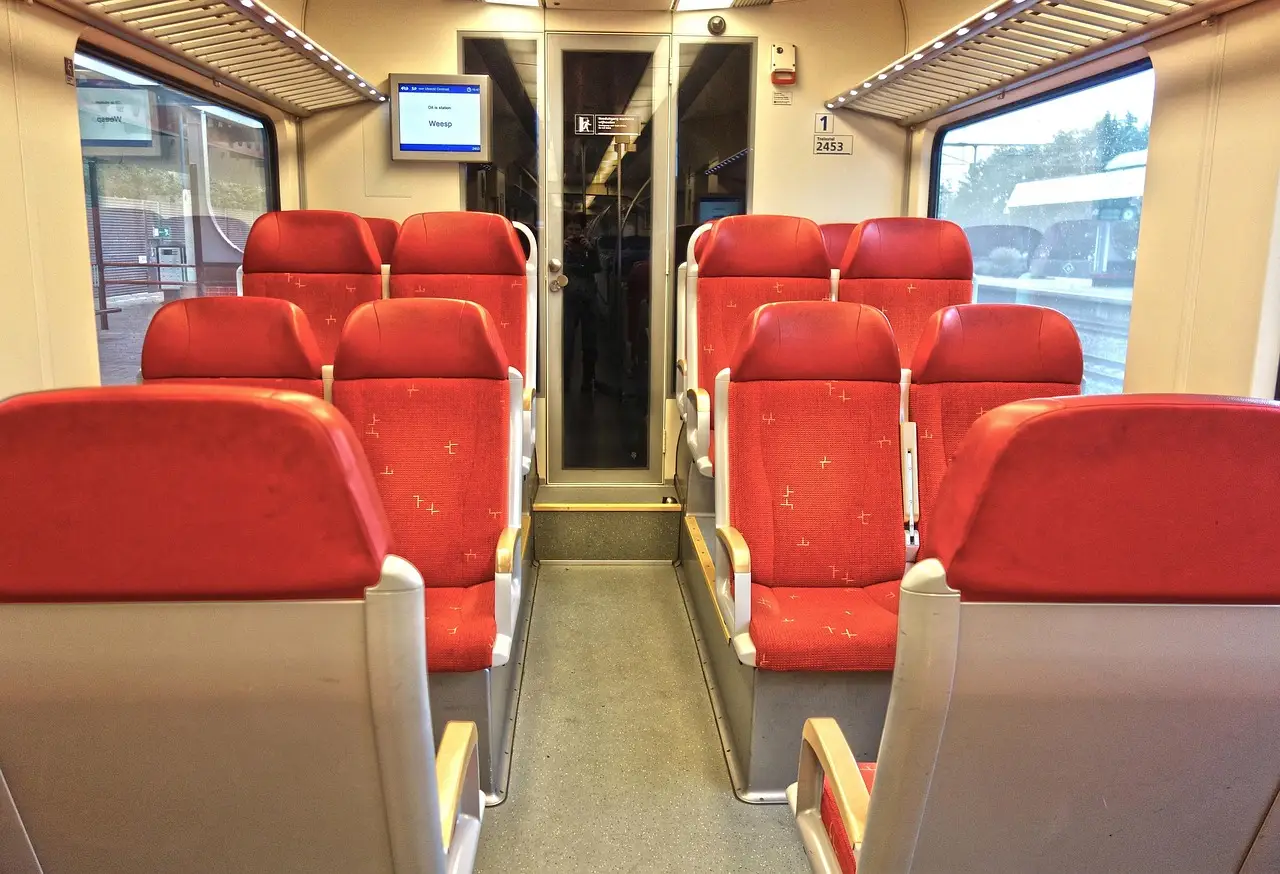
The BlueFirst cabin, featuring recliner first-class seats, will debut on the airline's first fully equipped aircraft in December, according to CNBC. CEO Joanna Geraghty said in a late-October interview that the cabin rollout will continue through 2027 — the same year JetBlue targets a return to operating profitability.
The pricing gap between the new premium product and standard coach tells the strategic story. A BlueFirst round trip between Kennedy and Fort Lauderdale-Hollywood International Airport in Florida costs $847 for the first week of March, CNBC reported. A standard economy ticket on the same route costs $446 — meaning the first-class seat commands a premium of roughly $400, or nearly double the coach fare.
What does the premium push change?
JetBlue built its brand as a low-cost carrier with roomier economy seating and free amenities. BlueFirst abandons that single-cabin heritage in favor of a segmented model already standard across the U.S. industry. The move follows a direct competitor by days: Frontier Airlines unveiled its own first-class seats on Tuesday, installing them in the front two rows of its planes.
The two budget carriers are converging on the same conclusion — that premium revenue is the surest path out of the post-pandemic squeeze on low-fare airlines. JetBlue's turnaround plan targets an operating profit in 2027 and adjusted earnings of $1 per share in 2028. The airline last posted a full-year profit in 2019, making 2027 the endpoint of an eight-year losing streak if the plan holds.
Geraghty offered a warning on pricing alongside the product launch. Should fuel costs ease in 2027, she told CNBC on Wednesday: "I don't think fares are going to fall as much as people expect." The remark signals that cost relief, if it arrives, will flow to margins rather than ticket prices.
Why are creditors in the picture?
The premium push unfolds against a strained balance sheet. JetBlue stock hit a record low in October after a group of senior creditors engaged restructuring adviser PJT Partners, CNBC reported. The shares have rebounded more than 40% in November through midday Wednesday, though they remain roughly 11% lower for the year.
Geraghty has pushed back hard on distress speculation. "We have no intention, no plans to file for bankruptcy. We are not engaged with any restructuring company," she told CNBC in an Oct. 27 interview. On Wednesday she said JetBlue has held talks with some creditors over recent weeks, describing them as routine investor outreach. She said the company told bondholders plainly that no reorganization is necessary.
The numbers behind those assurances: JetBlue closed the third quarter with $2.2 billion of liquidity, against total debt of $8.4 billion as of Sept. 30, the company said. Debt therefore stands at nearly four times the cash buffer.
What happens next?
The December entry into service begins a multiyear retrofit that Geraghty has committed to completing by 2027. Success depends on whether enough travelers on routes like Kennedy–Fort Lauderdale will pay the premium — and on whether the carrier can service $8.4 billion in debt while its first profitable year since 2019 remains two years away.
BlueFirst is a wager that JetBlue's passengers will pay twice the economy fare for a better seat.
via qz.com (Source)
More from Elena Vasquez
Show full bio
Staff writer covering companies, deals and strategy in corporate strategy and chief-executive leadership at CEO Frontier.
216 articles
Adjacent sheets
- Jeju–Seoul Tops World's Busiest Domestic Routes as Cuts Reshape Rankings
- Boeing posts best October orders in nearly 30 years
- Finnair's Turnaround Strategy Delivers, but Fuel Hedge Cover Slips to 34%
- Atlanta Held 106.3 Million Passengers in 2025 as Asia Hubs Climbed
- IAG profit falls 16% as fuel costs surge 19% to €6.4bn