Field report ·
Boardroom MacroFiled from the territory
Half of 2025 College Grads Work Jobs That Don't Need a Degree
Half of 2025 bachelor's degree holders were underemployed a year after graduating, Indeed data shows, up from 39% before the pandemic — and 73% stay underemployed for a decade.
- Surveyed
- November 23, 2026
- Reading
- 3 min read
- Correspondent
- Elena Vasquez
Field notes
- 50% of the class of 2025 were underemployed 12 months after graduation, versus a 2017–2019 average of 39%, per Indeed.
- 73% of graduates who start underemployed remain so 10 years after college, per a 2024 Burning Glass Institute and Strada Institute report.
- Entry-level software engineers average about $82,000 in base pay; retail salespersons average $37,310.
- Criminal justice, performing arts and fine arts had the highest 2024 underemployment rates; nursing, aerospace and civil engineering the lowest, per the New York Fed.
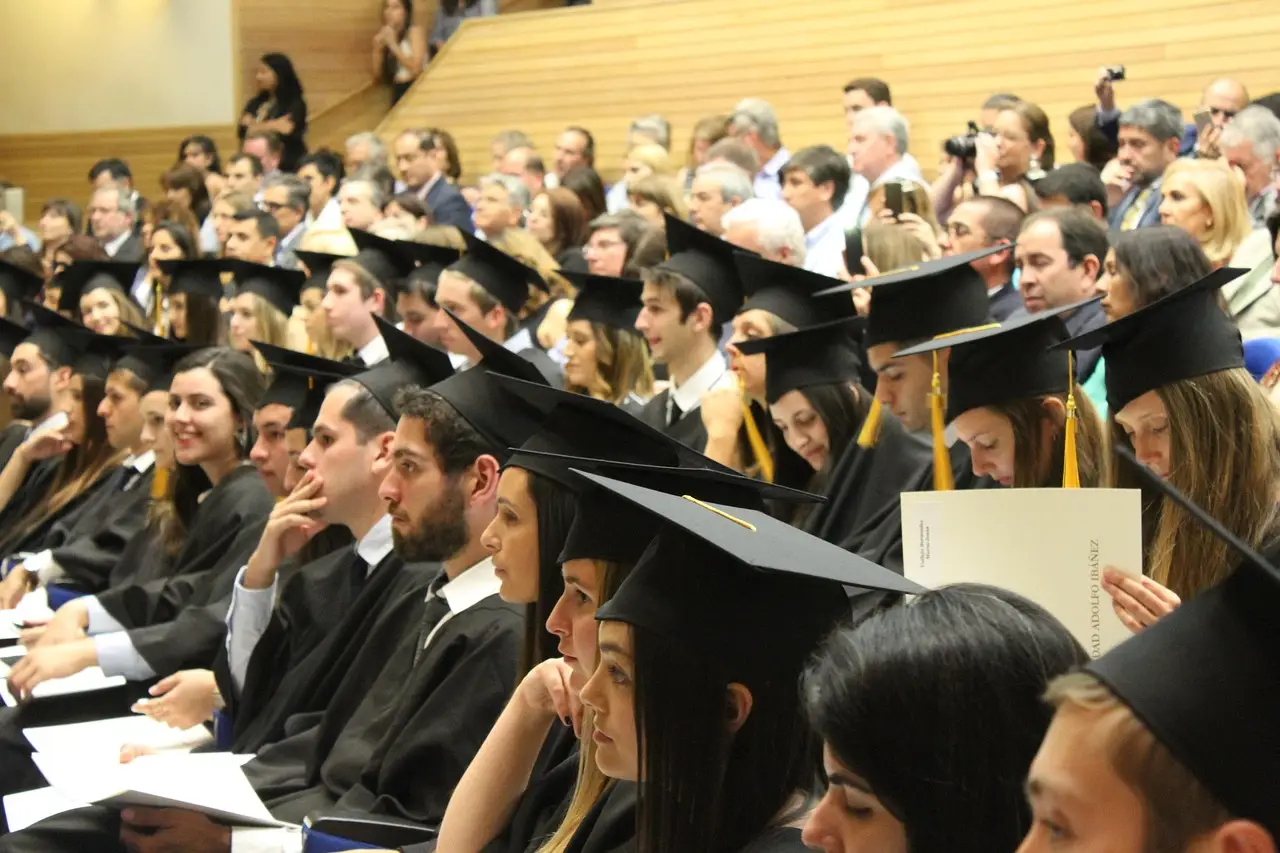
Half of the class of 2025 worked jobs that did not require a college degree 12 months after graduation, according to data from the job-search platform Indeed — a rate well above the 2017–2019 average of 39% and one economists expect to stay elevated for the class of 2026.
The finding marks the sharpest deterioration yet in a trend that has built over several years: even as unemployment among recent graduates has cooled alongside a broader labor-market improvement in recent months, more degree holders are settling into roles below their qualification level. Indeed measures underemployment as the share of bachelor's degree holders in non-degree-requiring jobs one year after graduation.
What is driving the underemployment surge?
Indeed economist Sneha Puri attributed the rise to a low-hire, low-fire labor market that has defined the past few years, combined with intense competition for entry-level positions.
When employers do hire, they favor candidates "who can hit the ground running, as evident from the growth in job postings being driven by senior-level roles," Puri said.
New graduates bear the brunt. "That hits new graduates hardest, because they're most likely to apply for entry-level positions, which not only have seen job postings decline but also get several times as many applications as mid- and senior-level roles, including from people with more experience," Puri said.
How lasting is the damage?
Taking a non-degree job can solve a short-term cash problem while imposing long-term career costs. Daniel Zhao, chief economist at Glassdoor, said early-career underemployment has a compounding effect.
"For workers who are underemployed or unemployed in their early years after graduating, that can have a stacking effect on their career over time, where they get knocked into a career trajectory that isn't as rewarding, isn't as engaging," Zhao said.
The pay gap is substantial. The Bureau of Labor Statistics lists no formal educational credential for retail salesperson, a job that paid an average of $37,310 a year in the latest 2025 data — roughly $32,000 below the overall average wage of $69,770. By contrast, software developers typically need a bachelor's degree, and Indeed puts the average base salary for an entry-level software engineer in the US at about $82,000 — more than double the retail figure.
Escaping underemployment is rare. A 2024 report from the Burning Glass Institute and Strada Institute found that 73% of graduates who start out underemployed remain so 10 years after completing college, making them about 3.5 times more likely to be underemployed than peers who begin in a college-level job.
Zhao also flagged a cost for employers: hiring a graduate who is disengaged or better suited to a different role wastes talent and productivity.
Which majors fare worst?
Field of study shapes the odds considerably. The New York Fed, drawing on Census Bureau data, ranked criminal justice, performing arts, and fine arts as the three majors with the highest underemployment rates in 2024. Nursing, aerospace engineering, and civil engineering posted the three lowest rates.
Computer engineering presents a split picture: it ranks among the majors with low underemployment but recorded the second-highest unemployment rate — graduates who find work use their degree, but fewer of them find work at all.
What happens to the class of 2026?
Puri expects underemployment to remain elevated for next year's graduates, with little relief until hiring behavior changes.
"An uptick would only reverse once employers again start to recognize the importance of hiring and investing in entry-level talent to train tomorrow's senior level experts," she said.
For now, the burden of a stalled entry-level market sits with the newest degree holders.
via feeds.businessinsider.com (Source)
More from Elena Vasquez
Show full bio
Staff writer covering companies, deals and strategy in corporate strategy and chief-executive leadership at CEO Frontier.
631 articles