Field report NE-86 / P4 · sheet /macro
Boardroom MacroFiled from the territory
Gasoline Rose 9.1% in a Month, and It Dragged the CPI With It
Gasoline rose 9.1% in a month and drove more than half of September's 0.6% CPI increase — a narrow fuel shock, not yet evidence of broad price acceleration.
- Grid
- NE-86 / P4
- Surveyed
- October 14, 2026
- Reading
- 3 min read
- Correspondent
- Sophie Lindqvist
Field notes
- The Consumer Price Index rose 0.6% in September, month over month.
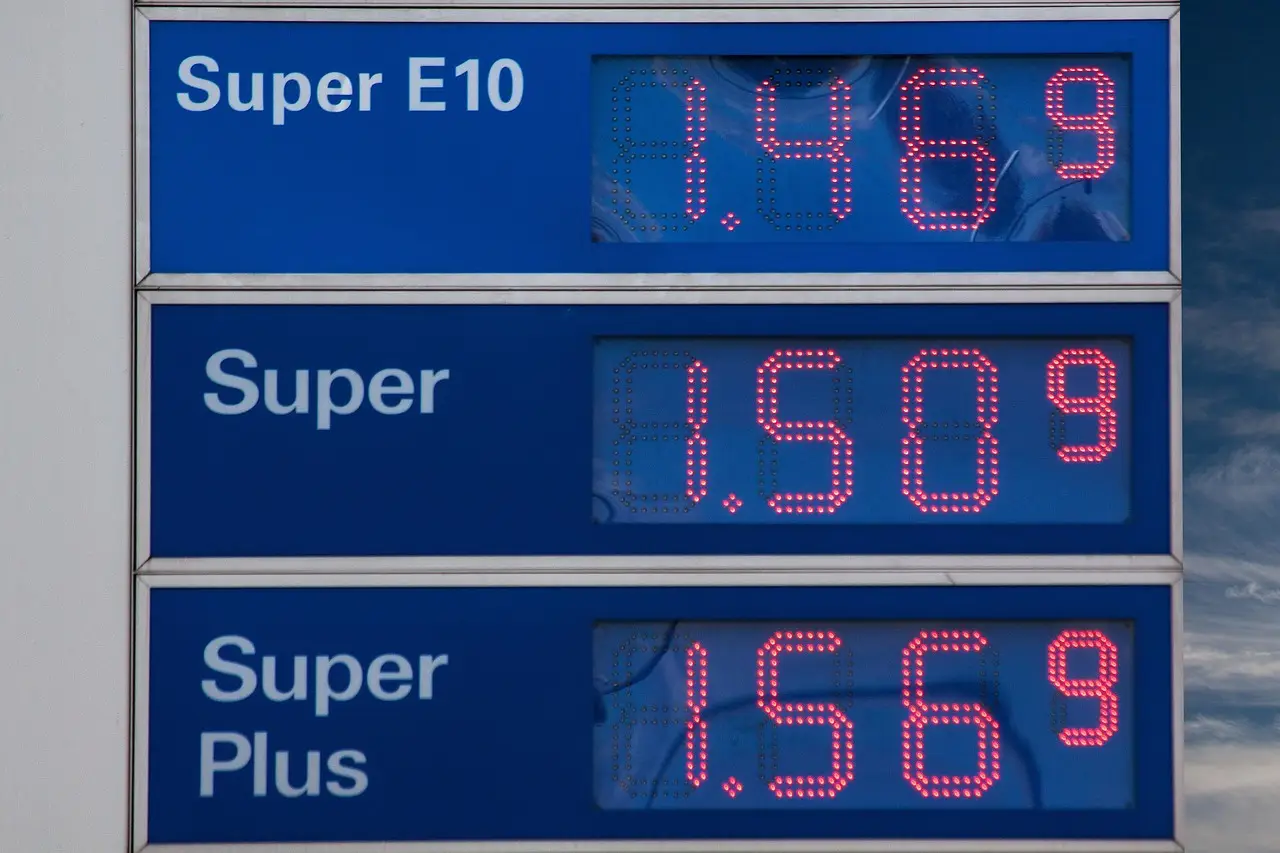
- Gasoline prices increased 9.1% within a single month.
- The gasoline index accounted for more than half of the September CPI increase.
- The release provides no breakdown of core inflation excluding food and energy.
Gasoline prices jumped 9.1% in a single month, and that one index accounted for more than half of September's 0.6% rise in the Consumer Price Index (the CPI, the standard monthly measure of what households pay for goods and services). That arithmetic is the whole story of the report — and its main caveat.
The headline number, 0.6%, will be read as a broad reacceleration of inflation. The composition does not support that reading. Strip out the gasoline effect — which officials at statistical agencies routinely do when a single volatile component dominates a monthly move — and the underlying increase is materially smaller than the headline, roughly a third or less of the print by implication of the bureau's own breakdown.
What does this change for decision-makers? For corporate planners, the honest answer is: less than the headline suggests, because the driver is an energy price swing rather than a widening of price pressure across categories. For anyone pricing fuel-sensitive costs — logistics, airlines, shipping contracts, consumer packaged goods — it changes a great deal, because a 9.1% monthly move in the core fuel input arrives in cost structures within weeks.
What does the report actually say?
Two claims, precisely:
- The overall Consumer Price Index rose 0.6% in September, month over month.
- The gasoline index accounted for more than half of that monthly increase.
That is the disclosed record. What the report does not say matters as much for interpretation:
- It does not break out food, shelter, or services inflation, so no conclusion about underlying (core) inflation is available from this release alone.
- It does not attribute the gasoline move to a cause — refinery outages, crude prices, or seasonal factors are all speculation until stated.
Why one index can carry a monthly print
Gasoline carries outsized weight in monthly CPI moves because its price is volatile and its purchase frequency is high. A 9.1% jump in a component that households buy weekly moves the aggregate index visibly, even when most other prices barely change. This is a mechanical property of index construction, not evidence that everything else is accelerating. The bureau's own framing — pointing to gasoline's share of the increase — is an implicit signal to that effect.
The skeptical reading, therefore, is twofold. First, September's 0.6% is real but narrow; it is a fuel story before it is an inflation story. Second, a narrow print cuts both ways: if gasoline retraces, October's number could flatter; if the fuel move persists or spreads into transport and goods prices, the September report will look, in hindsight, like an early signal rather than noise. The release itself does not tell us which path holds.
What executives should watch next
Three follow-ups, none answered by this report:
- Whether the gasoline index retraces in the October data, which would confirm a transitory supply-side move.
- Whether the core CPI (the index excluding food and energy, the measure central banks track for durable trends) shows a comparable acceleration.
- Whether fuel-sensitive categories — freight, delivery, travel — pass the increase through in the following months.
The September number is a fact. Its meaning is not yet. Treat the 0.6% as a gasoline event until the component data proves otherwise — and treat any confident narrative built on this single release as a claim awaiting evidence.
via Quartz (Source)
More from Sophie Lindqvist
Show full bio
Correspondent covering money, funding and market shifts around corporate strategy and chief-executive leadership at CEO Frontier.
86 articles
Adjacent sheets
- September CPI Set to Jump 0.6% as Gasoline Prices Surge 7%
- September CPI Forecast: Economists See Inflation Rising to 3.6%
- Gold hits four-month low as oil and inflation revive Fed hike bets
- 10-Year Treasury Yield Jumps 9 Basis Points to 5.304%
- Consumer sentiment hits five-month low as inflation fears rise