Field report NW-88 / L1 · sheet /operations
Operations & RestructuringFiled from the territory
FAA ground stop halted U.S. flights for four hours
The FAA’s four-hour ground stop ended, but delays remain as airlines clear the backlog. Officials expect normal operations by Thanksgiving while investigators examine a router-related outage.
- Grid
- NW-88 / L1
- Surveyed
- November 16, 2026
- Reading
- 3 min read
- Correspondent
- Sophie Lindqvist
Field notes
- The FAA imposed the first nationwide U.S. ground stop since 2023, halting flights for four hours on Friday.
- The order began just before 4 p.m. and ended around 8 p.m. Eastern Time.
- DOT linked the disruption to an L3Harris contractor's copper-to-fiber upgrade and a new router.
- The FAA disabled core router functions and 60 related routers as a precaution.
- Duffy expected normal operations Monday and by Thanksgiving, while the root cause remained under investigation Sunday.
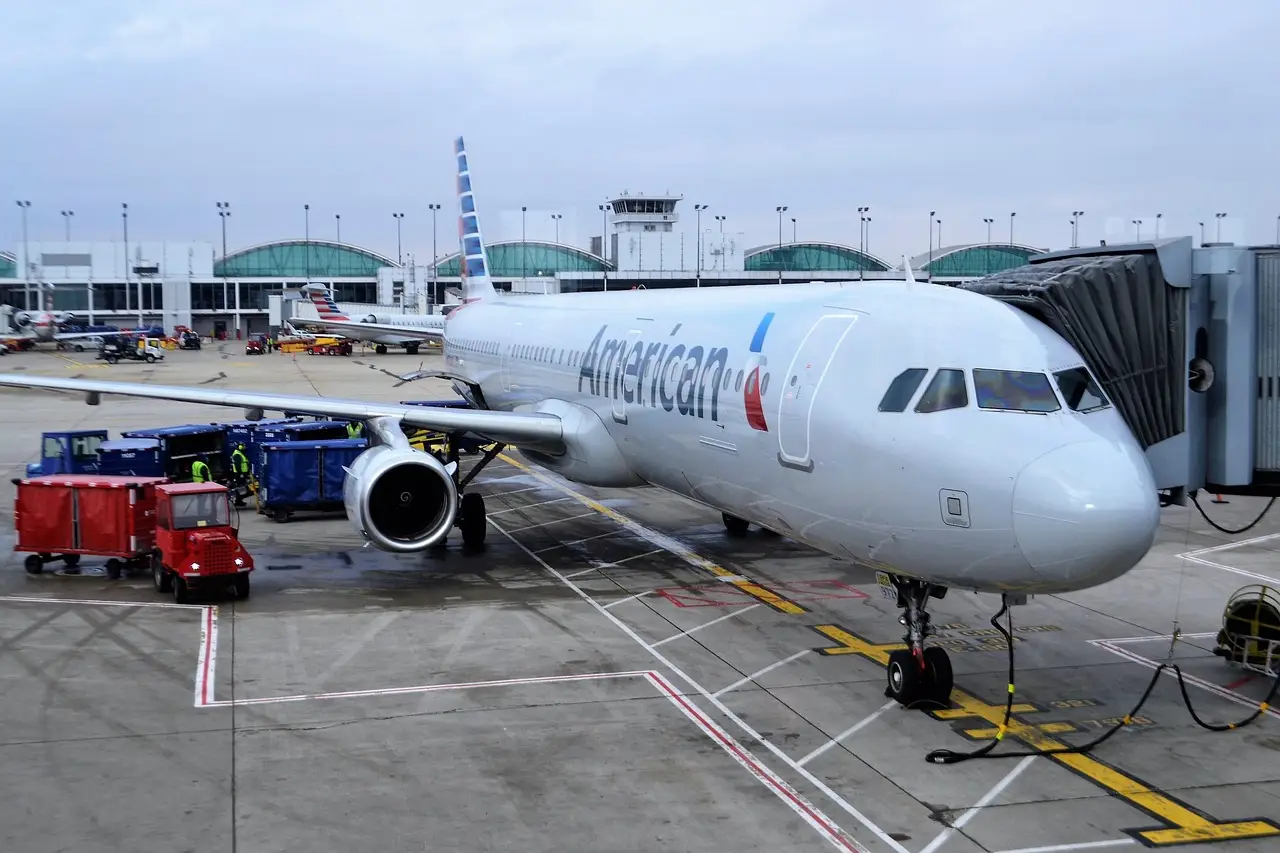
A four-hour nationwide U.S. ground stop (a blanket order halting departures), the first since 2023, stopped all flights just before 4 p.m. Friday and triggered delays two weeks before Thanksgiving. The Federal Aviation Administration (FAA) lifted the order at around 8 p.m. Eastern Time, but residual delays and cancellations continued as airlines worked through the backlog.
The shutdown landed two weeks before Thanksgiving. The later status assessment described the federal holiday and its busy travel season as 10 days away, a timeline difference the report did not explain. Airlines still had to clear residual delays, cancellations and displaced passengers after the FAA lifted the order.
What does this change for Thanksgiving travelers?
Transportation Secretary Sean Duffy said on Friday that he thought air travel should be normal by Thursday. He anticipated that many students would fly home the following Friday, when he expected operations to be running as Thanksgiving travel accelerated. His forecast remained provisional: the available information included no delay totals, cancellation count or passenger-impact estimate.
At Friday’s press conference, Duffy said it would take time to restore capacity and move passengers disrupted over the previous eight hours to their destinations. He identified the remaining task in one phrase: “So we’re going to have some makeup to do.”
Makeup flights (recovered or replacement services) would extend recovery beyond the formal stoppage. His reference to eight hours of disruption covered a broader period than the four-hour order, a distinction the report did not reconcile.
The practical answer for Thanksgiving is conditional: normal operations looked likely if the system stayed stable and airlines cleared their recovery schedules. The FAA later said: “The system is stable and operations are returning to normal. Planes are pushing back, taxiing, and taking off, and it is safe to fly.”
Yet airline recovery remained unfinished, so travelers had evidence of normalization, not proof that every disrupted journey would run as scheduled. The FAA statement covered current safety and aircraft movement, not the completion of every delayed itinerary.
A router upgrade is linked, but the cause remains open
The Department of Transportation (DOT) attributed the stoppage to an L3Harris contractor upgrading a telecommunications line from copper wire to fiber-optic cable. According to DOT’s account, installing a new router apparently overloaded the air traffic control (ATC) system, which coordinates aircraft movements and communications.
The FAA and L3Harris were still investigating the root cause on Sunday. That distinction matters because a contractor installation identifies where the disruption began without establishing why the system failed or what would prevent another occurrence. No final root-cause report or recurrence timeline appeared in the available information.
The FAA disabled functions on the routers at the core of the communications issue. It also disabled 60 related routers as a precaution against recurrence, widening the intervention beyond the equipment directly connected to the stoppage. That action addressed immediate risk but did not substitute for a completed investigation.
Duffy said over the weekend that the upgrade was routine. He also said the DOT was aware of busy holiday travel seasons and tended to minimize activity and upgrades during those peaks. That institutional practice makes the timing relevant, although describing the work as routine did not resolve the unexplained outage.
Operations recovered before the cause did
Federal officials maintained that they had found no indication of a cyberattack, hack or other nefarious incident. On Sunday, Duffy expected air travel to return to normal on Monday, while the FAA said it remained in close coordination with airlines to support the ongoing recovery. The immediate operating emergency had eased, but the technical question had not.
A request for comment had been sent to the FAA, with no response reported before publication, leaving the inquiry open. In practical terms, the system had moved from a four-hour shutdown to active recovery, but not from uncertainty to a fully explained failure.
Duffy’s Monday and Thanksgiving forecasts remained contingent on stable systems and completed recovery. For airlines, the practical test is whether they can clear the backlog without encountering another communications failure.
via washingtonexaminer.com (Source)
More from Sophie Lindqvist
Show full bio
Correspondent covering money, funding and market shifts around corporate strategy and chief-executive leadership at CEO Frontier.
483 articles
Adjacent sheets
- Nearly 10,000 Flights Canceled as FAA Outage Grounds US Air Travel
- FAA ground stop cancels about 17,850 flights, exposing airline gridlock
- FAA Reopens US Airspace After Historic Nationwide Ground Stop
- Duffy Demands $50 Billion After FAA Outage Grounds US Flights
- FAA Grounds Every US Flight in Rare Nationwide Ground Stop