Field report NW-28 / R9 · sheet /strategy
Corporate StrategyFiled from the territory
Dodge Returns to NASCAR in 2027 as Stellantis Bets on Performance
Dodge returns to the NASCAR Cup Series in 2027 with Kaulig Racing, as Stellantis leans into performance heritage while its recovery rests on cost discipline.
- Grid
- NW-28 / R9
- Surveyed
- November 10, 2026
- Reading
- 3 min read
- Correspondent
- Amara Osei
Field notes
- Dodge returns to the NASCAR Cup Series in 2027 after more than a decade away.
- Kaulig Racing will become the headline NASCAR Cup Series team for Dodge.
- Stellantis trades on Borsa Italiana under the ticker STLAM.
- The program must fit inside the Value Creation Program and tighter cost targets.
- The move contrasts with Stellantis' micromobility push via the Fiat Topolino and Leapmotor partnerships.
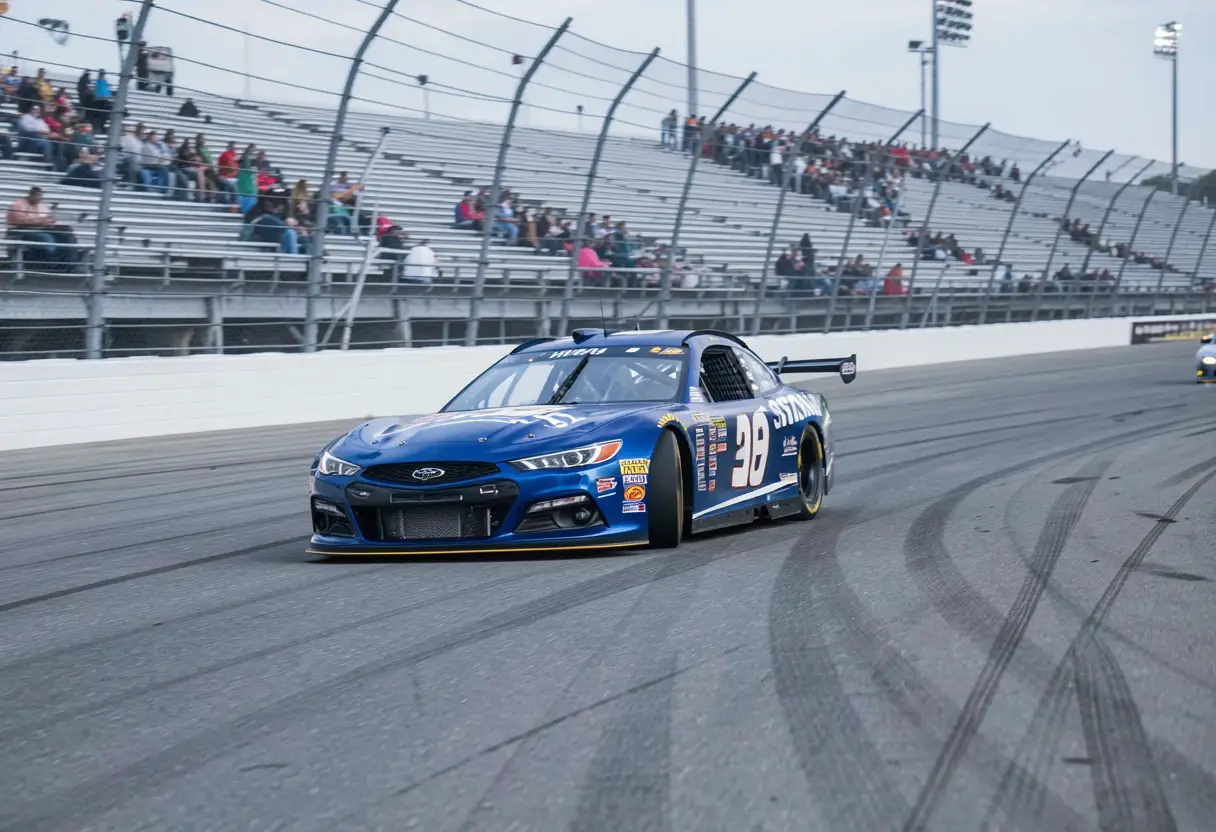
Stellantis (BIT: STLAM) will bring Dodge back to the NASCAR Cup Series in 2027, ending an absence of more than a decade from the top level of American stock-car racing. The brand will partner with Kaulig Racing, which is set to become the headline NASCAR Cup Series team for Dodge. The decision signals a deliberate bet on gasoline-powered performance and motorsport heritage in North America, and it hands Stellantis a visible platform to reconnect Dodge with a racing audience tied to American performance cars.
What does the return actually test?
The move lands at a delicate moment. The Stellantis narrative currently rests on three pillars: cost discipline, multi-energy platforms (vehicles designed to accept combustion, hybrid or electric drivetrains), and focused brand execution. Against that backdrop, a NASCAR program only helps if it reinforces the company's profit-first reset in North America rather than distracting from it.
The racing effort therefore cannot be judged as a marketing exercise or a nostalgic return to the track. It must function as part of a broader effort to strengthen the North American business, sharpen brand positioning and support profitability. Within that framework it can serve as a useful brand investment. If it pulls attention and spending away from the core reset, it risks looking like a detour.
Can the program justify its cost?
The market may latch onto nostalgia and race wins, yet the investment story hinges on whether the Dodge and Kaulig Racing partnership supports the Value Creation Program — Stellantis' stated framework for capital discipline — and sharper capital allocation. Factory-backed NASCAR programs, crate engines (engines sold as complete units for vehicle builds) and performance parts all feed a performance ecosystem that can help justify pricing and strengthen Dodge's performance identity.
That ecosystem connects racing to products customers can buy, and it supports brand equity in a segment where performance credentials matter commercially. The same activities, however, add spend that must sit inside tighter cost targets. The decisive question is whether the NASCAR program generates enough brand and commercial benefit to justify its place within Stellantis' cost discipline, rather than becoming an additional expense that complicates the recovery story.
How does NASCAR fit the wider portfolio?
The move also needs context. Stellantis is simultaneously pushing into micromobility with the Fiat Topolino, its small electric city vehicle, and expanding through partnerships with groups such as Leapmotor, the Chinese EV maker in which it holds a stake. Those initiatives point toward a portfolio strategy spanning small, affordable urban vehicles and electric or low-emission offerings built through alliances.
NASCAR pulls in the opposite direction: high-horsepower branding in the United States. The wider thesis for Stellantis is a balanced portfolio across EVs, multi-energy platforms and captive finance (in-house lending to car buyers) — closer to how Ford and General Motors juggle models like the F-150 or Corvette alongside their electric rollouts. In that context, Dodge's NASCAR return reads as one piece of a larger brand and product strategy rather than a standalone bet on racing.
What should investors watch?
The same racing headline can look like smart brand investment or an unnecessary detour, depending on which Stellantis narrative an investor holds. If the market reads the Dodge and Kaulig Racing partnership as reinforcing cost discipline, brand execution and North American profitability, it can support the recovery story. If investors see it as spending that competes with tighter cost targets and the multi-energy strategy, it raises questions about capital allocation.
For now, the 2027 program gives Stellantis a direct channel back to NASCAR fans and Dodge's performance heritage. Its significance for the investment case will depend on execution: how well the racing budget sits within the profit-first reset and the Value Creation Program will determine whether this comeback strengthens the story or clouds it.
via tradingview.com (Source)
More from Amara Osei
Show full bio
Market editor covering people, launches and day-to-day practice in corporate strategy and chief-executive leadership at CEO Frontier.
231 articles