Field report ·
Boardroom MacroFiled from the territory
Crypto Selloff Tests the Winter Thesis After 20%-Plus Drop
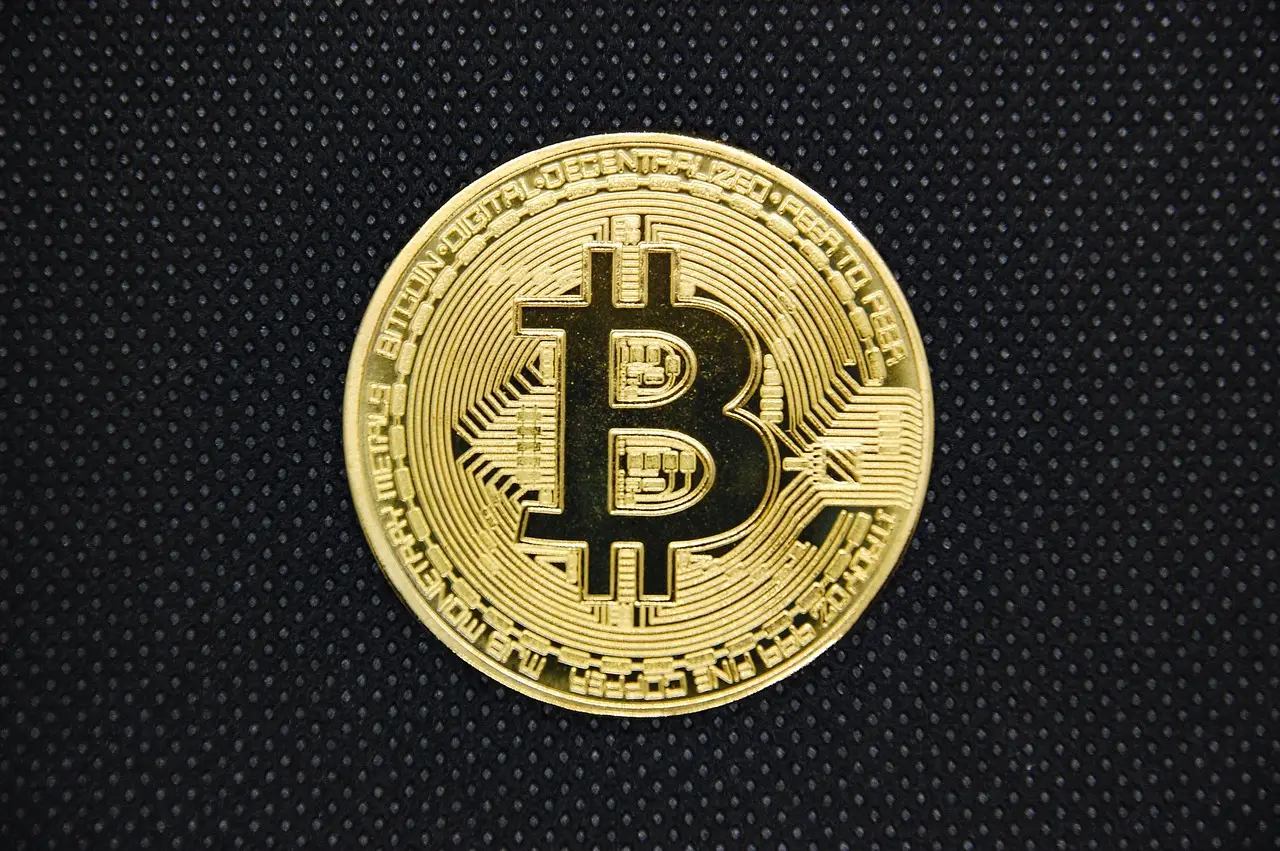
Bitcoin fell below $65,000, Ethereum neared $1,800 and XRP slipped under $0.96, as rate fears, an AI-stock rout and regulatory concerns revived crypto-winter speculation.
- Surveyed
- November 16, 2026
- Reading
- 4 min read
- Correspondent
- Sophie Lindqvist
Field notes
- Over 30 days, Bitcoin fell more than 20% to below $65,000, Ethereum more than 25% to near $1,800, and XRP more than 26% to below $0.96.
- A Reuters poll dated November 10, 2026 found a majority of economists expect a 25-basis-point December Fed increase to 4.00%–4.25%.
- The Jensen Huang scandal sent Nvidia shares down more than 12% over five trading days; the Nasdaq lost about 1%.
- Early-November 2026 midterms produced a Democratic congressional majority, raising fears of stronger crypto regulation.
- CoinMarketCap’s Fear and Greed Index stood at 13, labeled “Extreme Fear,” a level last seen in February 2026.
By Sophie Lindqvist
Bitcoin traded below $65,000 after a 30-day loss above 20%, and the evidence supports a severe correction rather than a confirmed crypto winter. Ethereum hovered near $1,800, down more than 25%, while XRP sat below $0.96 after a decline exceeding 26%. Major tokens traded lower again at the time of the snapshot.
CoinMarketCap’s Crypto Fear and Greed Index (a 0–100 measure of investor sentiment) stood at 13. The index treats higher readings as greater optimism and lower readings as greater fear, and it labels 13 “Extreme Fear,” its lowest range.
Bitcoin’s fall followed an all-time high above $126,000 in October 2025, leaving its price at roughly half that peak. The retreat has revived speculation that another crypto winter has begun.
A crypto winter is an extended bear market (a prolonged, broad decline in digital-token prices). Earlier crypto winters ran through 2018–2019 and 2022–2023. Neither precedent proves that the current decline will last; the market snapshot shows damage, not duration.
The rate signal
The most immediate pressure is the expected Federal Reserve tightening. Reuters reported on November 10, 2026 that a majority of economists expect a December rate increase of 25 basis points (one-hundredth of a percentage point), taking the range to 4.00%–4.25%.
Higher rates make borrowing more expensive. They can encourage saving, restrain spending and help contain inflation, while giving lenders a better return.
That higher return gives investors an incentive to move from crypto, which pays no stated interest, into interest-bearing U.S. Treasury bills (government debt securities that pay interest). That rotation can produce token sales and pull the broader crypto basket lower.
No figures here quantify how much of the crypto decline reflects that rotation. The rate explanation is plausible, not yet proven, and the December decision remains the near-term test.
The AI correlation
Big Technology companies, especially AI-adjacent stocks (technology shares linked to artificial intelligence), endured a rough few weeks. Last week was perhaps the worst stretch: the Jensen Huang scandal sent Nvidia Corporation (Nasdaq: NVDA) shares down more than 12% over the last five trading days, while the tech-heavy Nasdaq lost about 1%.
AI stocks and cryptocurrencies often move in tandem because investors treat both as volatile, speculative assets. A fall in one group can prompt nervous selling in the other to limit further losses and lock in gains.
That price relationship does not establish a shared cause, however. Nor does one weak trading week in technology demonstrate a lasting connection to a multi-month token selloff.
The political risk
A Democratic “blue tsunami” swept the early-November 2026 midterms, creating a large political majority. A settled congressional map can help investors plan financially, even when they dislike the winning party’s policies.
The incoming Democratic Congress may be less friendly to crypto than the alternative. Investors fear that stronger regulation could slow industry growth or impose checks that would not have arisen had Republicans retained control.
No specific bill, regulator or timetable accompanies the political shift. That makes regulatory risk a plausible scenario, not a measured event with a fixed deadline.
What does the sentiment gauge show?
The Fear and Greed Index last stood this low in February 2026. During the first few days of that month, Bitcoin dropped from around $87,500 to around $60,000.
The current reading shows that near-term anxiety has returned. It does not establish that the selloff will extend into another prolonged downturn; an indicator can confirm sentiment without forecasting duration. The longer the rout lasts, the more the prospect of a winter will weigh on investor expectations.
What does this change for crypto investors?
The immediate change is a tougher competition for capital. An expected Fed increase would make U.S. Treasury bills more attractive as an interest-paying alternative, while crypto remains exposed to shifts in risk appetite, meaning investors’ willingness to hold volatile assets.
Policy uncertainty adds another hurdle, and the Nvidia episode shows that token prices can still move with broader speculative selling. Investors should therefore treat Bitcoin, Ethereum and XRP as one risk group rather than assume that diversification among tokens breaks that connection.
The defensible verdict remains narrower than the headlines: a sharp correction has damaged the three major tokens amid extreme fear, but the evidence does not yet establish another crypto winter. The decisive test is whether losses persist beyond the current 30-day window.
via fastcompany.com/rss (Source)
More from Sophie Lindqvist
Show full bio
Correspondent covering money, funding and market shifts around corporate strategy and chief-executive leadership at CEO Frontier.
585 articles
Adjacent sheets
- Bitcoin Slides to $68,500 as Inflation Drives Investors Back to Yield
- Gold, Bitcoin Sink Together as Margin Calls Hit 'Safe Havens'
- Bitcoin slides 25% from November high as $62,000 support breaks
- US Tech 100 falls 20% from peak, closes below 25,619 support
- Gold’s bearish trend survives inflation and yield pressure